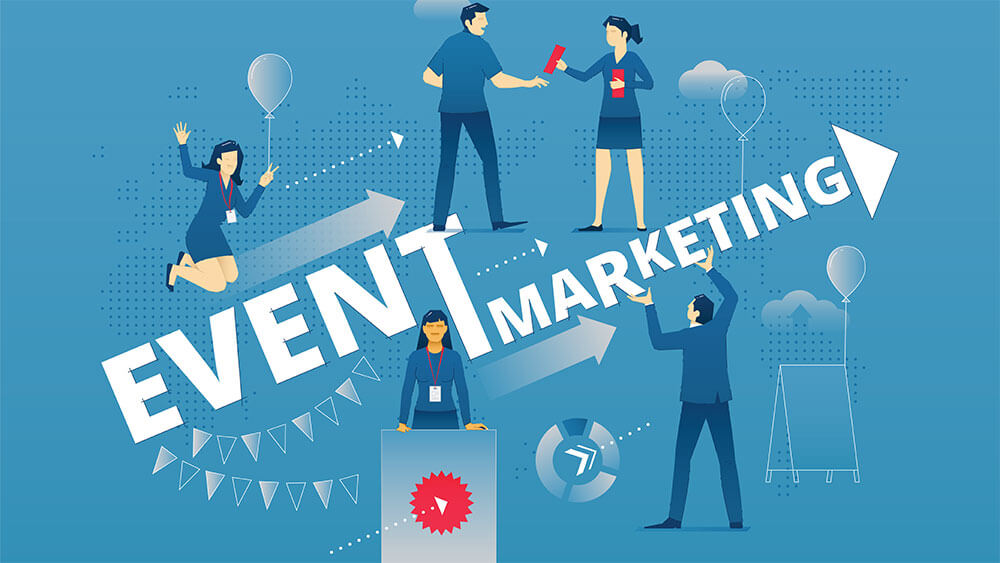
Rather than relying solely on traditional advertising or online content, event marketing allows organizations to build trust, raise awareness, and create a lasting impression through real-time interactions. It blends storytelling, technology, branding, and human connection into a single experience.
Why Event Marketing Matters Today
In today's competitive landscape, event marketing plays a critical role for businesses, nonprofits, and even governments. Here's why it’s more relevant than ever:
Impact on Stakeholders
Businesses use events to generate leads, launch products, and build relationships.
Nonprofits host awareness campaigns or fundraising events to engage supporters.
Public institutions use events for outreach, education, or civic engagement.
Problems It Helps Solve
Low engagement: Digital fatigue is rising. Events offer a fresh, engaging format.
Brand disconnect: Live events humanize brands and foster emotional connection.
Conversion barriers: Product demos and Q&A sessions can clear up confusion quickly.
Lead generation: Events are a powerful way to attract qualified prospects.
Benefits of Event Marketing
| Benefit | Description |
|---|---|
| Real-time interaction | Facilitates direct communication between brand and audience |
| Brand awareness | Strengthens visibility and reputation |
| Lead generation | Collects valuable contact and intent data |
| Customer education | Helps clarify product or service benefits |
| Networking | Enables peer-to-peer or B2B relationship building |
In a digital-first world, real-life experiences or live interactions have become a powerful differentiator.
Recent Trends and Updates in Event Marketing (2024–2025)
1. Hybrid Events are Now the Norm
Since mid-2023, a majority of organizations are designing hybrid events those that combine both in-person and virtual elements. This model improves accessibility and reach while controlling costs.
2. AI-Powered Personalization
Tools like ChatGPT, HubSpot AI, and Marketo Engage are now being used to personalize event follow-ups, content recommendations, and networking opportunities.
3. Sustainability Focus
According to a 2024 EventMB survey, over 65% of event planners are prioritizing sustainability—using eco-friendly venues, going paperless, and reducing travel.
4. Data Privacy Regulations Impact Strategy
With stricter data laws (see next section), event marketers are focusing more on consent-based lead capture, using tools that are compliant with GDPR and similar policies.
5. Micro-Events on the Rise
Smaller, localized events (under 50 attendees) are gaining popularity for their intimacy and targeted engagement, especially in sectors like fintech and health tech.
Legal and Policy Considerations
Event marketing is influenced by several legal and regulatory frameworks. Understanding and adhering to these is crucial for smooth and lawful execution.
1. Data Privacy Laws
GDPR (Europe): Requires clear consent for collecting personal data at events, especially for follow-ups.
CCPA (California): Provides consumers rights over how their data is used during and after an event.
India's DPDP Act (2023): Mandates explicit consent and secure data handling practices during events.
Best practice: Use opt-in forms and privacy policies that are clearly communicated during registration.
2. Advertising and Disclosure
If an event involves influencers or sponsorships, transparent disclosure is required under FTC guidelines and similar international policies.
3. Venue Regulations
Compliance with fire safety, disability access, and public liability insurance is mandatory for physical events.
For virtual events, accessibility laws (like WCAG) encourage captioning and screen reader compatibility.
4. Tax and Licensing
Ticketed events may require local entertainment licenses and involve tax obligations such as GST/VAT depending on jurisdiction.
Tools and Resources for Event Marketing
Numerous tools are available to assist in planning, executing, and analyzing events effectively. Here are some commonly used and user-friendly platforms:
Event Management Platforms
| Tool | Best For | Website |
|---|---|---|
| Eventbrite | Ticketed public events | eventbrite.com |
| Cvent | Large corporate events | cvent.com |
| Bizzabo | Hybrid & virtual events | bizzabo.com |
| Hopin | Webinars and online summits | hopin.com |
Engagement & Analytics
Slido: Live polls, Q&A sessions, feedback.
Google Analytics: Track event landing pages and traffic sources.
Typeform / Google Forms: Post-event feedback collection.
Design and Promotion
Canva: Event banners, invites, social graphics.
Mailchimp: Email campaigns and RSVP reminders.
Hootsuite / Buffer: Scheduling event promotions across social media.
Templates and Checklists
HubSpot Event Plan Template
Social Tables Event Checklist
Asana Event Planning Template
Frequently Asked Questions (FAQs)
1. What’s the difference between event marketing and event planning?
Event marketing is about promoting a product, brand, or message through an event. Event planning focuses on the logistics of organizing the event itself. The two overlap but serve different purposes.
2. Are virtual events as effective as in-person ones?
It depends on the objective. Virtual events are cost-effective and scalable but may lack the emotional impact of in-person engagement. Hybrid models offer the best of both worlds.
3. Do small businesses benefit from event marketing?
Absolutely. Even low-budget events such as webinars, pop-up stalls, or community workshops can help small businesses boost visibility and build local connections.
5. How do I measure event marketing success?
Use metrics like:
Registration vs. attendance rate
Lead conversions post-event
Attendee satisfaction (via surveys)
Social media mentions and shares
Sales pipeline influence (for B2B)
Summary Chart: In-Person vs. Virtual vs. Hybrid Events
| Feature | In-Person | Virtual | Hybrid |
|---|---|---|---|
| Audience Reach | Limited | Broad | Broad |
| Cost | High | Low to medium | Medium to high |
| Engagement | High (physical) | Medium (digital) | High (mixed) |
| Accessibility | Moderate | High (global) | High |
| Logistics Complexity | High | Low | High |
Conclusion: Making Event Marketing Work for You
Event marketing is a flexible and effective approach to reaching and engaging audiences. With the rise of virtual tools, a growing emphasis on sustainability, and tightening privacy regulations, the event marketing landscape has evolved significantly. Whether you're a small business owner, a marketer, or part of a larger organization, understanding these dynamics can help you create events that not only inform and inspire but also deliver measurable results.