The rise of athleisure is linked to lifestyle changes, especially the increasing focus on wellness, flexible working environments, and comfort-driven fashion. Stretchable fabrics, breathable textiles, moisture-control materials, and ergonomic designs have made this style practical for daily life. The industry also benefits from developments in technical textiles, performance materials, fabric innovation, and comfort-focused fashion technology.
Athleisure exists because modern life demands clothing that can adapt to dynamic routines. People want garments that support movement while maintaining a polished appearance, making the category a long-term part of global fashion culture.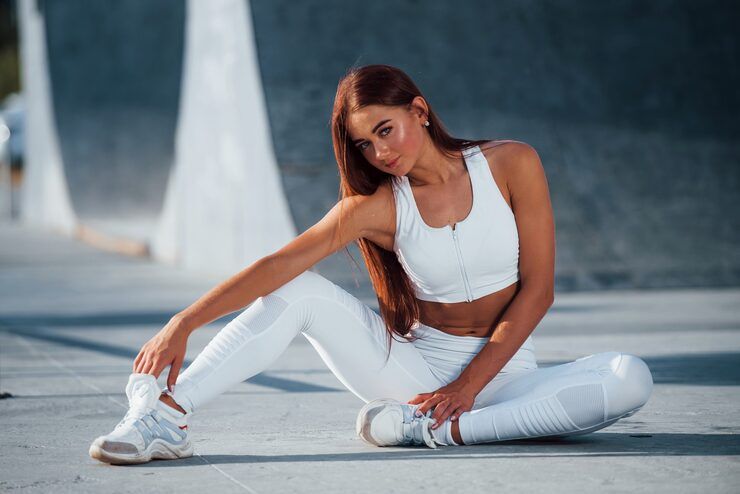
Importance – Why Athleisure Matters Today
Athleisure influences personal lifestyle, apparel innovation, fashion design, and wellness habits. Its importance extends beyond clothing trends and shapes consumer expectations for comfort, durability, and functionality.
Versatility for Modern Lifestyles
Athleisure fits multiple situations—from working from home to traveling, light exercise, shopping, or social outings. This versatility supports diverse daily activities.
Focus on Wellness and Movement
With the global emphasis on health and fitness, athleisure promotes mobility and comfort. Performance fabrics support flexibility and temperature regulation.
Growth in Technical Fabric Knowledge
Many students and professionals studying design, textiles, and fashion technology explore athleisure as a leading category for learning about:
-
moisture-wicking materials
-
thermal regulation technology
-
stretchable fibers
-
ergonomic design principles
-
breathable knits
Sustainability Considerations
The move toward eco-friendly fabrics, recycled polyester, organic cotton, and plant-based fibers has become a focus within the athleisure sector. This supports global sustainability goals and helps reduce the environmental impact of textiles.
Influence on Fashion Trends
Athleisure has reshaped how people approach style, creating a blend known as “casual-luxe” or “sport-inspired streetwear.” The category influences designers, stylists, and apparel brands worldwide.
Recent Updates – Trends and Developments (2023–2025)
Athleisure continues to evolve with innovations in textiles, digital design tools, and lifestyle shifts. Several key developments have shaped the sector in recent years.
Rise of Smart Fabrics (2023–2024)
Performance clothing incorporating temperature-regulation fibers, anti-odor technology, and moisture-management textiles gained popularity. These developments support comfort and long-term wear.
Hybrid Fashion Expands (2024–2025)
Athleisure blended with office-friendly silhouettes such as structured joggers, minimalist trainers, and stretch-blend blazers. This trend emerged as more workplaces adopted flexible dress norms.
Increased Adoption of Sustainable Fabrics (2024)
Recycled nylon, bamboo blends, and bio-based textiles became widely used. Environmental studies published in 2024 highlighted improvements in supply chain transparency.
Digital Clothing and Virtual Fit Tools (2024–2025)
3D fitting technology and digital rendering helped designers create ergonomic athleisure garments more accurately. Virtual fit assessments allowed users to understand stretch, drape, and comfort before physical production.
Growth of Gender-Neutral Athleisure (2023–2025)
Unisex silhouettes and universal sizing approaches gained acceptance, supporting broader inclusivity in fashion.
Below is a simple table comparing common athleisure fabrics:
| Fabric Type | Key Features | Typical Use |
|---|---|---|
| Polyester Blend | Lightweight, fast-drying | Leggings, tops, jackets |
| Spandex/Elastane | High stretch, flexibility | Performance leggings |
| Cotton Blend | Breathable, soft texture | Hoodies, joggers |
| Bamboo Fiber | Eco-friendly, moisture control | T-shirts, casual wear |
| Recycled Nylon | Durable, sustainable | Sports bras, crop tops |
Laws or Policies – Regulatory Aspects of Athleisure
Athleisure is shaped by regulations relating to textiles, manufacturing, sustainability, and consumer safety. Although these rules vary by region, they share common themes.
Textile Labeling Standards
Governments require accurate labeling of fiber content, washing instructions, and material composition. These rules ensure transparency and help users make informed decisions.
Chemical Safety Regulations
Performance fabrics often involve treatments for moisture control, stretch, and durability. Regulations limit the use of unsafe dyes, chemicals, and finishing agents to protect consumers and the environment.
Sustainability and Recycling Guidelines
Many countries encourage the use of recycled materials. Environmental policies promote reduced waste, responsible sourcing, and extended product lifecycles.
Labor and Manufacturing Policies
Athleisure production must comply with workplace safety rules, fair labor standards, and ethical manufacturing guidelines.
Advertising and Consumer Protection
Marketing of performance features—such as stretch, breathability, or support—must follow accurate disclosure laws. This ensures that claims are factual and not misleading.
Tools and Resources – Helpful Platforms for Understanding Athleisure
Multiple apps, tools, and resources help users explore fabric properties, clothing care, sustainability options, and fashion design.
Fabric and Material Research Tools
-
Textile-fiber comparison apps
-
Moisture-wicking performance calculators
-
Breathability and stretch analysis charts
Design and Pattern-Making Tools
-
3D clothing design software
-
Virtual fit simulation tools
-
Pattern templates for leggings, hoodies, and joggers
Sustainability Resources
-
Carbon footprint estimators for textiles
-
Guides on recycled fabric use
-
Databases on eco-certified materials
Clothing Care Tools
-
Laundry-symbol interpretation charts
-
Fabric-condition tracking apps
-
Temperature and humidity monitoring tools for textile longevity
Lifestyle and Fitness Resources
-
Activity-tracking apps that pair well with athleisure routines
-
Mobility and stretching guides
-
Online fitness communities focusing on comfort-focused wear
These resources support students, designers, everyday users, and anyone exploring fashion technology.
FAQs – Clear and Educational Answers
What is athleisure clothing?
Athleisure combines activewear features with everyday style, offering comfort, breathability, and flexibility. It is designed for daily use as well as light physical activity.
How is athleisure different from traditional sportswear?
Sportswear is typically meant for specific athletic activities, while athleisure blends performance features with casual fashion, making it suitable for both movement and daily wear.
What fabrics are commonly used in athleisure?
Common fabrics include spandex, polyester blends, cotton blends, bamboo fiber, and recycled nylon. These materials support stretch, comfort, and moisture management.
Is athleisure sustainable?
Athleisure can be sustainable when made from recycled or responsibly sourced materials. Many textile innovations support eco-friendly production.
Why has athleisure become so popular worldwide?
Lifestyle changes, flexible work environments, and the desire for comfortable clothing have contributed to growing interest in athleisure. Performance-enhancing textile technologies also influence its popularity.
Conclusion
Athleisure represents the intersection of comfort, movement, and modern fashion. It has become a central part of global clothing culture due to its versatility and ability to adapt to changing lifestyles. Innovations in performance fabrics, technical textiles, and sustainable materials continue to shape the category, making it an evolving area of interest for designers, researchers, and consumers.
As environmental awareness grows and digital tools enhance textile development, athleisure will remain influential in shaping future fashion standards. Its combination of style, function, and comfort ensures its place in contemporary wardrobes and in long-term fashion innovation.