The development of temperature sensors is closely linked to advancements in science and engineering. As industries grew and processes became more precise, the need for accurate temperature monitoring systems increased. Today, different types of temperature sensors are designed to suit specific environments and applications, making them a key part of many technologies.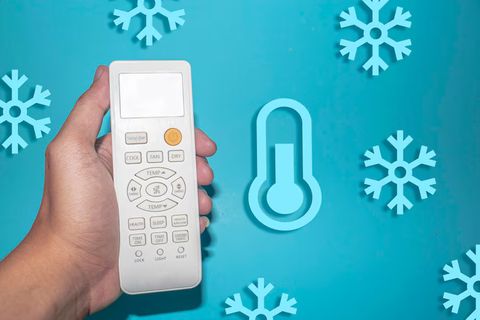
Understanding how temperature sensors work helps explain why they are essential in maintaining safety, efficiency, and consistency across various systems.
Importance
Temperature sensors are important because they help maintain control over processes that depend on heat levels. Many systems require stable temperature conditions to function properly, and even small changes can affect performance or safety.
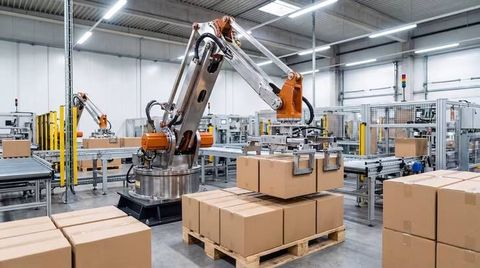
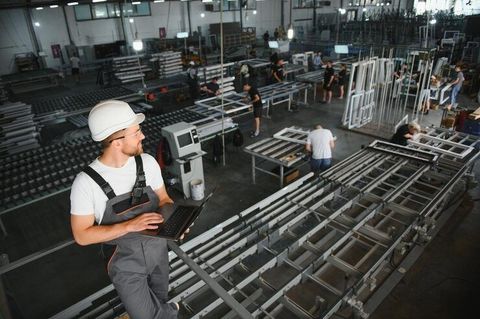
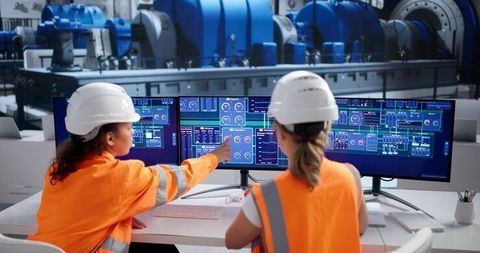
These devices are used by a wide range of people and industries. In homes, temperature sensors are found in air conditioning systems and refrigerators. In industrial settings, industrial temperature sensors monitor machinery and production processes to prevent overheating or damage.
The importance of temperature sensor applications can be seen in everyday situations. For example, maintaining proper temperature in food storage helps preserve quality, while temperature monitoring in vehicles ensures engine efficiency. These uses highlight the role of temperature sensors in supporting reliable and safe operations.
Types of Temperature Sensors
There are several types of temperature sensors, each designed for specific conditions and requirements.
Thermocouple Sensors
Thermocouple sensors measure temperature based on the voltage generated when two different metals are joined and exposed to heat.
- Suitable for high-temperature environments
- Widely used in industrial temperature sensors
- Durable and responsive
RTD Temperature Sensors
RTD temperature sensors measure temperature by changes in electrical resistance.
- Provide stable and accurate readings
- Common in temperature monitoring systems
- Used in laboratory and industrial settings
Thermistor Sensors
Thermistors are sensitive to temperature changes and provide quick responses.
- Suitable for moderate temperature ranges
- Common in digital temperature sensors
- Used in consumer electronics
Infrared Temperature Sensors
These sensors measure temperature without direct contact.
- Useful for moving or hazardous objects
- Used in medical and industrial applications
- Provide quick surface temperature readings
Semiconductor Sensors
Semiconductor-based sensors are widely used in digital temperature sensors.
- Compact and easy to integrate
- Suitable for electronic devices
- Provide reliable output for monitoring systems
How Temperature Sensors Work
Understanding how temperature sensors work involves knowing how they convert heat into measurable signals.
Basic Working Principle
Temperature sensors detect heat changes and convert them into electrical signals. These signals are then processed and displayed as temperature readings.
The process generally includes:
- Sensing temperature changes
- Converting heat into an electrical signal
- Transmitting the signal to a display or control system
Key Components
Temperature measurement devices typically include:
- Sensing element that reacts to heat
- Signal converter that transforms data
- Output interface that displays or transmits readings
These components work together to ensure accurate temperature monitoring systems.
Temperature Sensor Applications
Temperature sensor applications are found across many sectors due to their versatility.
Household Applications
Temperature sensors are used in:
- Air conditioning and heating systems
- Refrigerators and ovens
- Water heaters
Industrial Applications
Industrial temperature sensors are used in:
- Manufacturing processes
- Power generation systems
- Chemical processing environments
Automotive Applications
Vehicles use temperature monitoring systems for:
- Engine temperature control
- Climate systems inside the vehicle
- Battery management in modern vehicles
Healthcare and Electronics
Digital temperature sensors are used in:
- Medical devices
- Wearable technology
- Consumer electronics
These applications show how temperature sensors support both everyday and specialized functions.
Comparison of Common Temperature Sensors
| Sensor Type | Working Principle | Typical Use Case | Contact Required |
|---|---|---|---|
| Thermocouple | Voltage from metals | High-temperature systems | Yes |
| RTD | Resistance change | Precision measurements | Yes |
| Thermistor | Resistance variation | Electronics and appliances | Yes |
| Infrared | Heat radiation detection | Non-contact measurement | No |
| Semiconductor | Electronic signal output | Digital systems | Yes |
Recent Updates
Temperature sensors are evolving with advancements in digital technology. Modern systems increasingly use digital temperature sensors that can integrate with smart devices and automated systems.
Wireless temperature monitoring systems are becoming more common, allowing remote tracking and data collection. These systems are useful in industries where continuous monitoring is required.
Another trend is the improvement in sensor accuracy and response time. New materials and designs are helping temperature measurement devices perform more efficiently in different environments.
Laws or Policies
Temperature sensors, especially in industrial and commercial use, are influenced by safety and quality regulations.
Safety Standards
Devices used in industrial temperature sensors must meet safety requirements to prevent system failures and hazards.
Calibration Requirements
Regular calibration of temperature measurement devices ensures accurate readings and compliance with standards.
Industry Guidelines
Different industries follow specific guidelines for temperature monitoring systems, particularly in areas such as manufacturing and storage.
These regulations help maintain consistency and reliability in temperature-related processes.
Tools and Resources
Various tools and resources support the use and understanding of temperature sensors.
Calibration Tools
Devices used to verify and adjust sensor accuracy in temperature monitoring systems.
Simulation Software
Software tools help model temperature sensor applications and predict performance under different conditions.
Monitoring Platforms
Digital platforms track and analyze data from temperature sensors in real time.
Educational Resources
Guides and manuals explain how temperature sensors work and how different types of temperature sensors are used.
FAQs
What are temperature sensors and how do they work?
Temperature sensors are devices that measure heat levels and convert them into electrical signals for monitoring and control.
What are the main types of temperature sensors?
The main types of temperature sensors include thermocouple sensors, RTD temperature sensors, thermistors, infrared sensors, and semiconductor sensors.
Where are temperature sensor applications commonly used?
Temperature sensor applications are commonly used in homes, industries, vehicles, and electronic devices for monitoring and control.
What is the difference between digital temperature sensors and analog sensors?
Digital temperature sensors provide output in digital form, while analog sensors produce continuous signals that require conversion.
Why are industrial temperature sensors important?
Industrial temperature sensors help maintain safe and efficient operation of machinery by monitoring heat levels in real time.
Conclusion
Temperature sensors are essential devices used to measure and control heat in various environments. Different types of temperature sensors are designed to meet specific needs, from household applications to industrial systems. Understanding how temperature sensors work and where they are applied highlights their importance in modern technology. As advancements continue, temperature monitoring systems are becoming more accurate and integrated into everyday life.