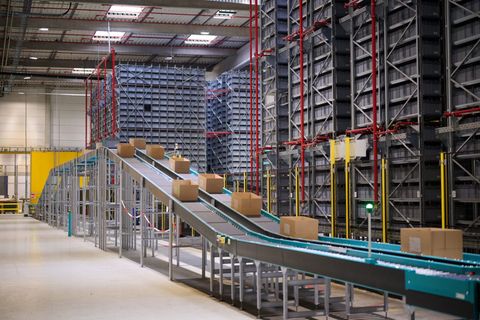
Supply chain consulting exists because global trade networks have grown increasingly complex. Companies now manage suppliers across multiple regions, transportation networks spanning continents, and customer demand that changes rapidly. Without careful coordination, these interconnected systems may experience delays, inventory imbalances, or transportation inefficiencies.
Through analytical frameworks and logistics planning strategies, supply chain consulting helps organizations better understand how goods move through production, storage, and distribution channels. It examines areas such as inventory planning, supplier relationships, warehouse operations, and transportation networks. In many industries, supply chain strategy has become an important component of operational planning and long-term growth.
Modern supply chain consulting also integrates data analysis and digital tools that allow organizations to visualize the entire supply network. By examining logistics performance metrics and operational workflows, companies can identify opportunities to strengthen reliability and improve coordination across different stages of the supply chain.
Importance
The role of supply chain consulting has expanded as businesses depend more heavily on efficient logistics operations. From manufacturers and retailers to technology companies and healthcare organizations, many sectors rely on complex supply networks to deliver products and materials on time.
Several factors explain why supply chain consulting has become increasingly important:
-
Operational visibility: Consulting frameworks help organizations understand how goods move across suppliers, warehouses, and distribution centers.
-
Inventory management insights: Strategic analysis helps balance stock availability with demand fluctuations.
-
Transportation efficiency: Evaluating logistics routes and shipping patterns helps identify improvements in delivery coordination.
-
Supplier coordination: Supply chain strategy often focuses on improving collaboration between suppliers and production facilities.
-
Risk awareness: Consulting evaluations identify potential disruptions and supply network vulnerabilities.
Organizations operating across international markets often face additional challenges such as regulatory compliance, transportation coordination, and supplier reliability. Consulting insights provide structured analysis that helps decision-makers interpret complex supply chain data and improve long-term planning.
Industries including manufacturing, retail, pharmaceuticals, automotive production, and consumer goods frequently analyze their logistics networks through supply chain consulting frameworks.
Supply Chain Structure Overview
Understanding how supply chains operate helps explain the analytical focus of supply chain consulting.
| Supply Chain Stage | Operational Focus | Example Activity |
|---|---|---|
| Procurement | Supplier coordination | Sourcing raw materials |
| Production | Manufacturing operations | Transforming inputs into products |
| Warehousing | Storage and inventory | Managing stock levels |
| Distribution | Transportation planning | Delivering goods to markets |
| Retail or delivery | Final product availability | Reaching customers |
Each stage generates operational data that analysts examine when evaluating supply chain efficiency. A consulting perspective typically reviews how these stages interact and whether improvements can strengthen overall logistics performance.
Recent Updates
Supply chain management practices continue to evolve as digital technologies, data analytics, and global trade dynamics influence logistics planning. Recent developments have expanded how organizations approach supply chain analysis.
Updates observed in 2025 and 2026 include:
-
Increased adoption of predictive analytics: Data-driven models help forecast demand patterns and supply network disruptions.
-
Integration of artificial intelligence in logistics planning: AI tools assist in route optimization and inventory forecasting.
-
Growth of digital supply chain platforms: Cloud-based systems allow companies to monitor supply networks in real time.
-
Greater emphasis on supply chain resilience: Organizations analyze alternative sourcing options to reduce vulnerability to disruptions.
-
Expansion of sustainability reporting: Logistics planning increasingly incorporates environmental considerations in transportation and packaging decisions.
These developments illustrate how supply chain consulting now combines traditional logistics analysis with advanced digital technologies to provide deeper operational insights.
Laws or Policies
Supply chains operate within regulatory environments that influence transportation, trade compliance, and product movement. While regulations differ across regions, several common policy areas affect supply chain strategy.
Key regulatory considerations include:
-
Trade compliance regulations: Cross-border shipments must comply with customs documentation and import/export rules.
-
Transportation safety regulations: Logistics operations must follow safety standards for cargo transport.
-
Environmental guidelines: Some jurisdictions regulate emissions and packaging standards related to logistics operations.
-
Data governance requirements: Digital supply chain platforms must follow rules regarding data protection and operational transparency.
-
Industry-specific regulations: Sectors such as pharmaceuticals or food distribution require strict traceability within supply networks.
Understanding these regulatory frameworks helps organizations align supply chain operations with legal requirements while maintaining efficient logistics coordination.
Tools and Resources
A variety of analytical tools and digital platforms support supply chain consulting and logistics strategy analysis. These tools help organizations evaluate supply network performance and identify areas for improvement.
Common resources include:
-
Supply chain mapping platforms used to visualize supplier and distribution networks
-
Inventory analytics dashboards that monitor stock levels and replenishment patterns
-
Logistics route planning tools that estimate delivery times and transportation routes
-
Demand forecasting software used to analyze historical sales patterns
-
Warehouse management systems that track product movement within storage facilities
These tools enable organizations to interpret operational data more effectively and strengthen coordination across the supply chain.
Common Supply Chain Consulting Focus Areas
Supply chain consulting frameworks often examine several core operational areas.
| Consulting Focus Area | Operational Objective | Example Outcome |
|---|---|---|
| Logistics optimization | Improve transportation planning | More efficient delivery routes |
| Inventory planning | Balance supply and demand | Reduced stock imbalances |
| Supplier network analysis | Evaluate sourcing strategies | Improved supplier reliability |
| Warehouse operations review | Improve storage workflows | Faster product handling |
| Risk and resilience assessment | Identify potential disruptions | Stronger contingency planning |
By analyzing these areas, supply chain consulting provides insights into how logistics operations interact across multiple stages of production and distribution.
FAQs
What is supply chain consulting?
Supply chain consulting refers to the analysis of logistics networks, inventory planning, and supplier coordination to improve operational efficiency.
Why is supply chain strategy important for businesses?
Supply chain strategy helps organizations coordinate production, transportation, and inventory processes effectively.
Which industries rely heavily on supply chain consulting?
Manufacturing, retail, healthcare, automotive, and technology industries frequently analyze supply chain operations.
What challenges do supply chains often face?
Common challenges include transportation delays, supplier coordination issues, inventory imbalances, and demand uncertainty.
How does digital technology influence supply chain consulting?
Digital platforms, analytics tools, and forecasting systems provide deeper insights into logistics operations and supply network performance.
Conclusion
Supply chain consulting plays a significant role in helping organizations understand and manage complex logistics networks. By analyzing supplier relationships, transportation routes, and inventory patterns, consulting frameworks provide insights into how goods move across production and distribution systems. As digital technologies continue to enhance logistics visibility, supply chain strategy will remain an essential part of operational planning. Understanding the fundamentals of supply chain consulting allows organizations to evaluate their logistics structures and identify opportunities for improved coordination and efficiency.