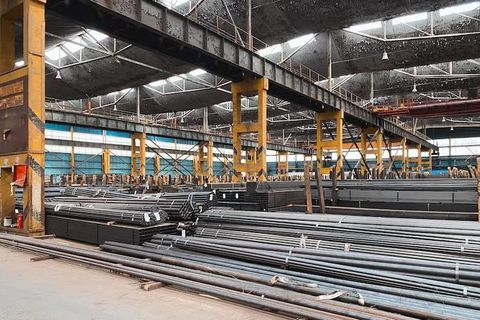
Over time, stainless steel has become a standard material across multiple sectors due to its strength, resistance to corrosion, and ability to maintain its appearance under different conditions. The stainless steel industry has expanded globally, supporting construction, transportation, healthcare, and manufacturing systems.
Stainless steel supplies include items such as stainless steel sheets and pipes, bars, fittings, and fabricated components. These materials are distributed through structured supply networks that connect production facilities with businesses and end users.
Importance
Stainless steel supplies are important because they support essential infrastructure and everyday products. The durability and resistance of stainless steel materials make them suitable for environments where other metals may degrade quickly.
Businesses rely on stainless steel products for various reasons. In construction, they are used for structural support and finishing elements. In food processing and healthcare, they are valued for their hygienic properties and ease of cleaning.
The importance of stainless steel applications can also be seen in daily life. Kitchen equipment, transportation systems, and public infrastructure often depend on stainless steel uses for reliability and longevity.
Additionally, the stainless steel industry plays a role in maintaining safety standards. The material’s ability to withstand extreme conditions helps reduce maintenance requirements and supports long-term usage.
Types of Stainless Steel Materials
Different stainless steel materials are classified based on their composition and properties. Understanding stainless steel grades helps in identifying their specific uses.
Austenitic Stainless Steel
This type is widely used due to its corrosion resistance and flexibility. It is commonly found in kitchen equipment and processing environments.
Ferritic Stainless Steel
Ferritic stainless steel contains lower levels of certain alloying elements and is often used in automotive and industrial applications.
Martensitic Stainless Steel
This type is known for its strength and hardness. It is used in tools and components that require durability.
Duplex Stainless Steel
Duplex stainless steel combines features of different structures, offering both strength and corrosion resistance. It is often used in demanding environments.
Precipitation-Hardening Stainless Steel
This category is designed for high-strength applications and is used in specialized industries.
Stainless Steel Supply Chain
The stainless steel distribution process involves multiple stages that ensure materials are available where needed.
Manufacturing Stage
Stainless steel manufacturing begins with melting raw materials and forming them into various shapes such as sheets, rods, and pipes. Quality control is important to maintain consistency.
Processing and Fabrication
After initial production, materials may be cut, shaped, or finished to meet specific requirements. This stage supports different stainless steel applications.
Distribution Stage
Stainless steel distribution networks handle storage and transportation. These systems ensure that stainless steel supplies reach businesses efficiently.
End Use
Businesses use stainless steel products in construction, machinery, and consumer goods. This stage connects the supply chain to practical applications.
Stainless Steel Grades and Their Uses
| Grade Type | Key Property | Common Use Case | Characteristics |
|---|---|---|---|
| Austenitic | Corrosion resistance | Kitchen equipment | Flexible, durable |
| Ferritic | Magnetic properties | Automotive parts | Moderate corrosion resistance |
| Martensitic | High strength | Tools and blades | Hard and wear-resistant |
| Duplex | Strength + corrosion mix | Industrial systems | Balanced performance |
| Precipitation-Hardening | High strength | Specialized components | Strong and stable |
Recent Updates
The stainless steel industry has experienced several changes driven by technology and sustainability efforts. One notable trend is the increased focus on recycling and efficient use of materials. Stainless steel is widely recyclable, which supports environmental goals.
Digital systems are also influencing stainless steel distribution. Inventory tracking and supply chain monitoring tools are improving efficiency and transparency.
Another development is the growing demand for stainless steel applications in renewable energy systems and modern infrastructure projects. These uses reflect changing industrial priorities and evolving material requirements.
Laws or Policies
Stainless steel supplies are regulated through standards that ensure quality, safety, and environmental compliance.
Material Standards
Organizations define specifications for stainless steel grades to ensure consistency in composition and performance. These standards help maintain reliability across different applications.
Environmental Regulations
Regulations often address emissions during stainless steel manufacturing and encourage recycling practices. These measures aim to reduce environmental impact.
Trade Regulations
International trade of stainless steel materials is subject to import and export rules. Documentation and compliance are required for smooth distribution.
These policies help maintain stability and trust within the stainless steel industry.
Tools and Resources
Various tools and resources support businesses working with stainless steel supplies.
Material Selection Guides
These guides help identify suitable stainless steel grades based on application needs and environmental conditions.
Design and Calculation Tools
Engineering tools assist in measuring strength, load capacity, and material requirements for different projects.
Inventory Management Systems
Digital systems track stock levels and movement within stainless steel distribution networks.
Technical Documentation
Manuals and reference materials provide information about stainless steel materials, fabrication methods, and maintenance practices.
These resources help improve understanding and efficient handling of stainless steel products.
FAQs
What are stainless steel supplies?
Stainless steel supplies include materials and products such as sheets, pipes, and components made from corrosion-resistant steel used in various industries.
What are common stainless steel applications?
Stainless steel applications include construction, kitchen equipment, transportation systems, and industrial machinery.
How are stainless steel grades different?
Stainless steel grades differ based on composition and properties such as strength, corrosion resistance, and flexibility.
Why are stainless steel materials widely used?
Stainless steel materials are widely used because they are durable, resistant to corrosion, and suitable for a variety of environments.
What is involved in stainless steel distribution?
Stainless steel distribution includes storage, transportation, and delivery of materials from manufacturers to businesses and end users.
Conclusion
Stainless steel supplies play a key role in supporting modern infrastructure and industrial systems. Different stainless steel materials and grades are designed for specific applications, ensuring flexibility across industries. The stainless steel industry continues to evolve with advancements in technology and sustainability practices. Understanding these aspects helps explain the importance of stainless steel in everyday and industrial use.