The supply of stainless steel includes sourcing the right grade, form, and specification to suit particular applications. Businesses rely on trusted suppliers and global markets to ensure consistent quality, cost-effectiveness, and compliance with industry standards.
Why Stainless Steel Supplies Matter
Industrial Dependence
Many industries require stainless steel for critical applications. For example:
In construction, it’s used in roofing, cladding, and structural components.
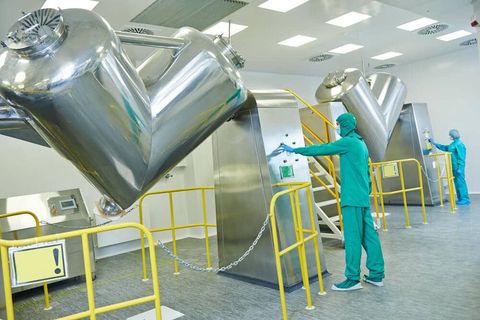
In food and beverage, stainless steel is essential for hygienic processing equipment.
In healthcare, surgical instruments and hospital fixtures rely on specific grades for safety.
Economic and Environmental Factors
Stainless steel is 100% recyclable and has a long life cycle, making it a sustainable choice. As environmental regulations tighten, many businesses are turning to stainless steel over alternatives like plastic or carbon steel.
Problems Solved
Corrosion Resistance: Useful in marine, chemical, or high-humidity environments.
Low Maintenance: Reduces the cost and frequency of repair or replacement.
Strength and Aesthetics: Offers structural integrity and modern design appeal.
Choosing the right stainless steel supply chain can minimize downtime, reduce long-term costs, and improve overall operational efficiency.
Recent Updates and Trends
The stainless steel market has seen significant shifts in the past year, largely driven by economic recovery, global trade changes, and sustainable manufacturing efforts.
Key Trends
1. Rising Demand in Renewable Energy Sectors (2024)
Wind turbines and solar panel mounting systems increasingly use stainless steel for structural components due to its resistance to harsh weather conditions.
2. Supply Chain Reshoring
Post-pandemic manufacturing strategies have led to reshoring stainless steel processing facilities, particularly in North America and Europe, to reduce reliance on overseas imports.
3. Digital Integration in Supply Chains
Many suppliers have digitized their inventory systems, offering real-time tracking, quality certificates, and material traceability through cloud platforms.
Regulatory and Policy Considerations
Government policies significantly influence how stainless steel is sourced, produced, and used, especially in industries such as construction and healthcare.
Environmental Compliance
Many countries enforce rules on the use of stainless steel through standards for recyclable content, emissions from production, and product labeling. Examples include:
RoHS (EU): Restricts hazardous substances in materials used in electrical and electronic equipment.
LEED Certification (US/Global): Stainless steel can contribute toward green building certification points due to its recycled content and durability.
Import and Tariff Regulations
In 2024, several governments implemented or extended tariffs and import duties to protect domestic steel producers. For example:
India introduced stricter quality norms under the Steel Quality Control Order.
The United States maintained Section 232 tariffs on stainless steel imports from specific countries.
China continues to lead in stainless steel output but has faced increased scrutiny on export quality controls.
These policies affect pricing, availability, and supplier selection for businesses operating globally.
Useful Tools and Resources
To simplify the management and purchasing of stainless steel supplies, several tools and platforms are available:
Online Marketplaces and Supplier Portals
Alibaba – For bulk stainless steel procurement globally.
ThomasNet – A directory for North American stainless steel suppliers.
IndiaMART – A hub for stainless steel products in India.
MetalMiner IndX – A benchmarking tool for real-time steel and nickel pricing.
Specification and Grade Selection
Outokumpu Grade Comparison Tool – Helps compare international stainless steel grades.
Stainless Steel Finder (Acerinox) – Allows users to choose grades based on corrosion resistance, strength, and application.
Logistics and Cost Estimation
Freightos – Compares shipping rates for stainless steel imports.
Total Materia – A database with mechanical and chemical properties of thousands of steel grades.
Standards and Compliance
ASTM International (www.astm.org) – Defines standards for stainless steel product categories.
ISO Standards (www.iso.org) – Guides for quality management and material testing procedures.
These tools help businesses optimize purchasing decisions, ensure compliance, and maintain production continuity.
Frequently Asked Questions
What are the most common grades of stainless steel for businesses?
The most widely used grades include:
304 – Versatile and corrosion-resistant, ideal for general use.
316 – Superior corrosion resistance, especially for chemical and marine environments.
430 – Less expensive, good for decorative and light-duty applications.
Each grade varies in chromium, nickel, and molybdenum content, impacting performance and cost.
How do I choose the right stainless steel supplier?
Consider factors such as:
Product range and grade availability
Certifications (ISO, ASTM, etc.)
Quality assurance practices
Delivery timelines
Customer support and after-sales service
Always request mill test certificates (MTC) to verify chemical and mechanical properties.
Is stainless steel sustainable?
Yes. Stainless steel is 100% recyclable without loss of quality. Most stainless steel products contain a high percentage of recycled content, contributing to lower environmental impact. Its long service life also reduces replacement frequency.
How does pricing work in stainless steel?
Stainless steel pricing depends on:
Grade (higher nickel = higher price)
Quantity and order size
Market fluctuations in raw materials (especially nickel and chromium)
Processing costs (cutting, polishing, forming)
Using long-term contracts or supplier relationships can help stabilize costs.
What are some common mistakes to avoid?
Choosing the wrong grade for the environment (e.g., using 304 in coastal areas instead of 316)
Ignoring finishing requirements (e.g., rough finishes for food applications)
Overlooking tolerances and dimensional accuracy
Not factoring in fabrication costs like welding or bending
Avoiding these mistakes helps prevent quality issues, delays, and additional costs.
Final Thoughts
Stainless steel supplies play a critical role in modern business operations across multiple sectors. Their strength, corrosion resistance, and sustainability make them an essential material for reliable, long-term use.
In a time of evolving regulations, shifting market dynamics, and heightened focus on environmental impact, businesses need to stay informed about grade selection, sourcing practices, and compliance requirements.
Before making decisions, assess your application needs, compare material grades, and choose reputable suppliers who can deliver consistent quality. Using digital tools and keeping up with current policies can help you optimize your supply chain, avoid costly mistakes, and ensure that your business operates efficiently and responsibly.