The German student visa exists to regulate the entry of international students, ensure they meet academic requirements, and verify that they can financially support themselves during their studies. It allows students to enter the country, enroll in a recognized institution, and stay legally while completing their academic program.
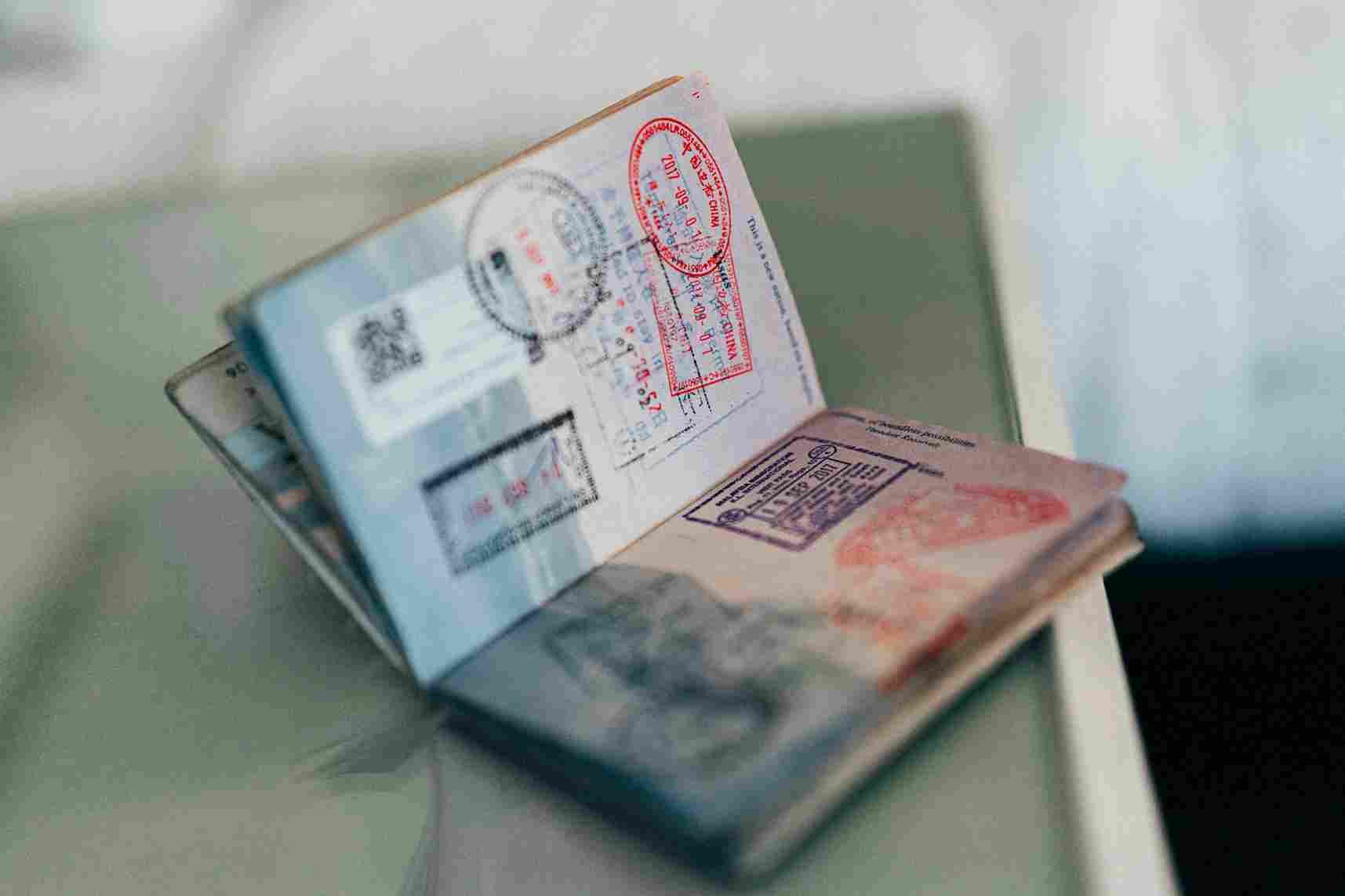
Germany offers different visa categories for students, such as visas for university admission, visas for preparation courses, and long-term national visas for full-degree programs.
Importance – Why the German Student Visa Matters Today
The German student visa process is important because it ensures that international students can begin their academic journey smoothly and legally. It affects aspiring students who want to pursue undergraduate, postgraduate, or doctoral studies in Germany, as well as those enrolling in pathway or language preparation courses.
Key reasons this topic matters today:
-
Rising demand for global education: More students are looking for international study opportunities, especially in fields like engineering, data science, healthcare, renewable energy, and business.
-
Affordable European education: Many German public universities offer tuition-free or low-cost programs, attracting students worldwide.
-
Structured immigration system: A proper visa helps students access health insurance, accommodation, part-time work permissions, and residency rights.
-
Growing career opportunities: Students often choose Germany due to its strong job market and research opportunities.
Challenges the visa process helps solve:
-
Prevents undocumented stay
-
Ensures financial preparedness through blocked accounts
-
Confirms university admission authenticity
-
Provides legal permission for study-related activities
Recent Updates – Trends and Changes in German Student Visa Processes
The past year (2024–2025) brought several updates affecting the German student visa application:
-
New Digital Appointment System (2024): Many German embassies introduced expanded digital appointment booking to reduce long waiting times for student visa slots.
-
Revised Blocked Account Requirement (2024): The required annual blocked amount was adjusted to approximately €11,208, which applicants must show as proof of financial resources.
-
Increased Demand for STEM Courses (2025): This has led to stricter document screening to verify academic eligibility.
-
Focus on Language Proficiency: Applicants attending English-taught programs may need to show consistent documentation of English proficiency, while German-taught programs still require certified German language test results.
-
Hybrid learning adjustments: While online learning expanded globally, German visa authorities continue to require physical attendance for visas to remain valid.
These updates reflect Germany’s aim to streamline applications while ensuring clarity, authenticity, and compliance.
Laws or Policies – Regulations Governing the German Student Visa
German student visa requirements follow regulations outlined under the German Residence Act (Aufenthaltsgesetz) and guidelines enforced by German embassies and consulates worldwide.
Key policies that impact applicants:
Proof of Financial Resources
Applicants must demonstrate adequate funds to cover living expenses. Methods include:
-
Blocked account
-
Scholarship confirmation
-
Sponsorship letter from someone residing in Germany
-
Recognized funding programs
Academic Eligibility
Applicants need:
-
Admission letter from a recognized German institution
-
Proof that previous academic qualifications meet German standards
-
Language proficiency as required by the course
Health Insurance Requirement
All international students must have valid German health insurance upon arrival.
Biometric and Document Verification Rules
Embassies strictly verify academic transcripts, identity documents, and financial statements.
Part-Time Work Regulations
Visa holders may work 120 full days or 240 half days per year, according to student work laws in Germany.
Understanding these policies helps applicants prepare accurate documentation and avoid delays.
Tools and Resources – Helpful Platforms for German Student Visa Applications
Several digital tools and official websites make the application process more manageable:
Official Resources
-
German Missions Abroad Website: Guidelines, application forms, fees, appointment systems.
-
DAAD (German Academic Exchange Service): Provides scholarship details, university guides, and program listings.
-
Uni-Assist: Platform for international students to submit and verify university applications.
Financial Tools
-
Blocked Account Providers: Services such as Fintiba, Expatrio, or Coracle facilitate opening a compliant blocked account online.
-
Cost-of-Living Calculators: Help estimate rent, insurance, and monthly expenses in German cities.
Document and Application Tools
-
Language Test Platforms: TOEFL, IELTS, TestDaF, TELC, or DSH preparation resources.
-
Visa Document Checklists: Templates for organizing mandatory paperwork.
-
Appointment Trackers: Official embassy appointment portals.
These resources help applicants stay organized and complete the visa process efficiently.
FAQs
Do all students need a German student visa?
Non-EU/EEA students typically need a visa to study in Germany, while EU/EEA students do not. Some countries may have different agreements that affect visa requirements.
How long does the German student visa process take?
It may take anywhere from a few weeks to several months, depending on the embassy workload, document verification time, and appointment availability.
Can students work while studying in Germany?
Yes. Student visa holders may work 120 full days or 240 half days per year, as permitted under German labor regulations.
Is the blocked account mandatory for all students?
Most students must open a blocked account or provide another approved method of financial proof unless they are funded by scholarships or official sponsors.
Can the visa be converted to a residence permit in Germany?
Yes. Students must apply for a long-term residence permit at the Foreigners’ Office (Ausländerbehörde) after arriving in Germany.
Final Thoughts
Applying for a German student visa becomes easier when applicants understand the required documents, updated rules, and available resources. By preparing early, ensuring financial and academic eligibility, and staying informed about recent changes, students can approach the process with greater clarity and confidence.
Germany continues to offer high-quality education, diverse cultural experiences, and global career opportunities, making it an attractive destination for international learners. A well-prepared visa application helps students begin their academic journey smoothly and stay legally compliant throughout their studies.