Smart Hydraulic Systems Guide: Explore Intelligent Automation, Components & Expert Insights
Smart hydraulic systems combine traditional hydraulic power with modern electronics, sensors, software, and communication technologies to improve efficiency, monitoring, and operational control. While conventional hydraulic systems rely primarily on mechanical and hydraulic components, smart systems integrate digital intelligence that enables real-time data collection, automated adjustments, and predictive maintenance.
These systems are widely used across manufacturing, construction, agriculture, mining, aerospace, marine engineering, and industrial automation. By combining hydraulic power with intelligent control systems, organizations can improve equipment performance, optimize energy consumption, and support more efficient maintenance planning.
This guide explores the principles, components, intelligent automation features, industrial applications, and technological advancements of smart hydraulic systems.
What Is a Smart Hydraulic System?
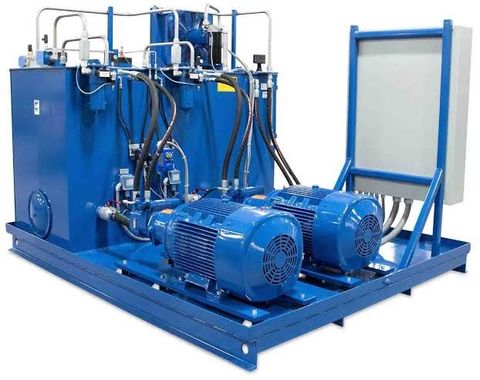
A smart hydraulic system is an advanced hydraulic power system equipped with electronic sensors, digital controllers, communication networks, and software that continuously monitor and regulate hydraulic performance.
Unlike conventional hydraulic systems that rely mainly on fixed settings and manual adjustments, smart hydraulic systems can collect operating data, identify changes in system conditions, and assist operators by providing diagnostic information and automated control functions.
Typical capabilities include:
- Real-time monitoring
- Intelligent pressure control
- Automated flow regulation
- Digital diagnostics
- Performance analytics
- Condition monitoring
- Remote supervision
- Integration with industrial automation platforms
The exact functionality depends on the equipment design and application.
Basic Working Principle
Hydraulic systems transfer power by pressurizing hydraulic fluid. Smart hydraulic systems build on this principle by integrating digital technologies that monitor and control system operation.
A simplified workflow includes:
- A hydraulic pump generates fluid pressure.
- Sensors continuously measure system parameters such as pressure, flow, temperature, and fluid condition.
- Electronic controllers process the collected information.
- Control valves automatically adjust hydraulic performance according to programmed settings.
- Operators receive real-time information through digital displays or industrial monitoring systems.
This combination of hydraulic power and intelligent automation helps improve operational visibility and efficiency.
Major Components
| Component | Primary Function |
|---|---|
| Hydraulic Pump | Generates hydraulic pressure |
| Hydraulic Reservoir | Stores hydraulic fluid |
| Hydraulic Cylinders | Produce linear motion |
| Hydraulic Motors | Produce rotary motion |
| Control Valves | Regulate pressure and flow |
| Pressure Sensors | Monitor hydraulic pressure |
| Flow Sensors | Measure fluid movement |
| Temperature Sensors | Monitor operating temperature |
| Electronic Controller | Processes system data |
| Human-Machine Interface (HMI) | Displays operating information |
| Communication Module | Connects with industrial networks |
Each component contributes to reliable and intelligent hydraulic operation.
Hydraulic Pumps
The hydraulic pump is the primary source of hydraulic energy within the system.
Common pump designs include:
- Gear pumps
- Vane pumps
- Piston pumps
- Variable displacement pumps
Modern smart systems often use electronically controlled variable displacement pumps to improve energy efficiency.
Hydraulic Actuators
Hydraulic actuators convert fluid power into mechanical movement.
Common actuator types include:
Hydraulic Cylinders
Used to produce controlled linear movement.
Hydraulic Motors
Convert hydraulic energy into rotational motion for industrial equipment.
The selection of actuators depends on load requirements, operating conditions, and application design.
Intelligent Sensors
Sensors provide continuous information about hydraulic system performance.
Common sensor types include:
- Pressure sensors
- Flow sensors
- Temperature sensors
- Position sensors
- Fluid level sensors
- Oil quality sensors
- Vibration sensors
Collected data supports automated control and maintenance planning.
Electronic Control Systems
Electronic control units process information from multiple sensors and coordinate system responses.
Control functions may include:
- Pressure regulation
- Flow optimization
- Speed control
- Load management
- Fault detection
- System diagnostics
- Safety monitoring
Many systems use programmable logic controllers (PLCs) or dedicated embedded controllers.
Automation Features
Modern smart hydraulic systems often include automation capabilities.
Automatic Pressure Adjustment
The system can adjust hydraulic pressure according to programmed operating conditions.
Flow Optimization
Digital controllers regulate fluid flow to improve operational efficiency.
Predictive Maintenance
Continuous monitoring helps identify trends that may indicate the need for maintenance before unexpected equipment failures occur.
Remote Monitoring
Some systems allow authorized personnel to review operating information remotely through secure industrial communication networks.
Performance Analytics
Software can generate reports that summarize equipment utilization, operating efficiency, and maintenance history.
Industrial Applications
Smart hydraulic systems are used across numerous industries.
Common applications include:
- Manufacturing automation
- Construction machinery
- Agricultural equipment
- Mining machinery
- Material handling systems
- Marine engineering
- Aerospace support equipment
- Industrial presses
- Injection molding machines
- Renewable energy equipment
Their flexibility makes them suitable for both mobile and stationary machinery.
Benefits of Smart Hydraulic Systems
Organizations implement intelligent hydraulic systems for several operational reasons.
Improved Efficiency
Digital control helps optimize hydraulic performance under changing operating conditions.
Enhanced Monitoring
Continuous data collection provides better visibility into equipment operation.
Reduced Downtime
Condition monitoring supports proactive maintenance planning.
Better Energy Management
Variable control strategies can improve energy utilization in suitable applications.
Improved System Reliability
Real-time diagnostics assist maintenance teams in identifying potential issues.
Actual performance improvements depend on system design, maintenance practices, and operating conditions.
Safety Features
Modern hydraulic systems incorporate multiple safety functions.
Examples include:
- Pressure relief protection
- Temperature monitoring
- Emergency shutdown capability
- Overload protection
- Leak detection support
- Fault diagnostics
- Alarm notifications
- Access controls for programmable settings
These features contribute to safer operation and improved equipment protection.
Industry Trends (2025–2026)
Hydraulic technology continues to evolve through digital transformation.
Industrial Internet of Things (IIoT)
Hydraulic equipment increasingly connects with industrial monitoring platforms for centralized supervision.
Artificial Intelligence Support
Some software platforms use AI to assist with maintenance scheduling, anomaly detection, and operational analysis.
Energy-Efficient Hydraulics
Manufacturers continue developing systems that optimize fluid power consumption while maintaining performance.
Cloud-Based Monitoring
Secure cloud platforms allow organizations to review operational information from multiple facilities.
Digital Twins
Some industrial organizations use virtual models of hydraulic equipment to support system analysis and maintenance planning.
Major Companies
Several companies develop hydraulic components and intelligent fluid power technologies.
Examples include:
- Bosch Rexroth
- Parker Hannifin
- Eaton
- Danfoss Power Solutions
- HAWE Hydraulik
- Kawasaki Precision Machinery
These companies are referenced solely for educational and industry context.
Helpful Learning Resources
Readers interested in hydraulic engineering may explore:
- Fluid power engineering textbooks
- Industrial automation publications
- Hydraulic design references
- Mechatronics learning materials
- Manufacturing engineering journals
- Industrial control system documentation
These resources provide additional insight into hydraulic technologies and automation.
Frequently Asked Questions
What is a smart hydraulic system?
A smart hydraulic system combines hydraulic power with sensors, digital controllers, and software to monitor and optimize system performance.
How is it different from a conventional hydraulic system?
Traditional systems rely mainly on mechanical and hydraulic controls, while smart systems add electronic monitoring, automated adjustments, and data analysis capabilities.
What industries use smart hydraulic systems?
They are widely used in manufacturing, construction, mining, agriculture, marine engineering, aerospace, and industrial automation.
What is predictive maintenance?
Predictive maintenance uses operating data and condition monitoring to help identify maintenance needs before unexpected failures occur.
Can smart hydraulic systems connect to industrial networks?
Many modern systems support communication with industrial automation platforms and monitoring software through standard industrial communication protocols.
Conclusion
Smart hydraulic systems represent the integration of fluid power engineering with digital intelligence, creating more connected, efficient, and adaptable industrial equipment. Through advanced sensors, electronic controls, intelligent automation, and data-driven monitoring, these systems support improved operational efficiency and maintenance planning across many industries.
As industrial automation, IIoT connectivity, and predictive analytics continue to evolve, smart hydraulic technologies are expected to play an increasingly important role in the future of manufacturing, heavy equipment, and intelligent engineering systems.
Disclaimer
This article is intended solely for educational and informational purposes. It provides a general overview of smart hydraulic systems, engineering concepts, and industrial technologies. It does not provide engineering design instructions, operational procedures, maintenance guidance, or safety certification advice. Installation, programming, operation, and servicing of hydraulic equipment should be carried out by qualified personnel in accordance with applicable regulations, manufacturer documentation, and industry standards. References to companies are included only for educational and industry context and do not constitute endorsements.

Related Post...

Luxury Waterfront Villa Rentals Knowledge Hub: Learn Travel Tip, Villa Features & Expert Insights
Updated: October 07, 2026
Read More
Automobiles Explained: Learn Vehicles Components, Engineering & Modern Innovation
Updated: October 07, 2026
Read More