Smart Doorbell Guide: Home Monitoring, Connected Security, Privacy Features, and Practical Information
Smart doorbells combine a traditional doorbell with connected cameras, motion detection, two-way communication, and mobile notifications.
Depending on the model, a smart doorbell may allow residents to see visitors, communicate through the device, receive activity alerts, review recorded footage, and connect the doorbell with other home-security technologies.
Because these devices can capture video, audio, images, and information about activity around a home, choosing and configuring one involves more than evaluating camera features. Network security, privacy controls, storage, power requirements, and local regulations can also matter.
What Is a Smart Doorbell?
A smart doorbell is a connected residential device that typically combines a doorbell button with a camera and communication technology.
Common components include:
Camera
Doorbell button
Microphone
Speaker
Motion sensors
Wi-Fi or another network connection
Mobile application
Local or cloud storage
Notification system
Night-vision capability
Some models operate from existing doorbell wiring, while others use rechargeable or replaceable batteries.
How Smart Doorbells Work
A typical connected doorbell system follows a process such as:
Visitor or Activity → Sensor Detection → Camera Activation → Network Connection → Mobile Alert → Live or Recorded Video
When the device detects a button press or motion, it can send information through the home network to a connected application.
Depending on the system, users may then be able to:
View live video
Speak with a visitor
Receive motion notifications
Review recorded footage
Adjust detection settings
Share selected footage
Integrate the device with other connected-home systems
The exact capabilities depend on the hardware, software, subscription structure, network connection, and configuration.
Smart Doorbell Camera Features
Camera specifications can vary considerably.
Important features may include:
Video Resolution
Higher resolution can provide more visual detail, although actual image quality also depends on lighting, lens design, compression, and viewing conditions.
Field of View
A wider field of view can capture more of the area surrounding an entrance. The appropriate viewing angle depends on the doorway, property layout, and desired coverage.
Night Vision
Night-vision technology can help cameras capture activity in low-light conditions. Performance depends on the camera design and environmental conditions.
High Dynamic Range
HDR capabilities can help manage scenes containing both bright and dark areas, such as a shaded doorway facing a bright outdoor area.
Motion Detection
Motion sensors can identify activity and trigger notifications or recording according to configured rules.
Smart Doorbell Monitoring
Connected monitoring can provide homeowners with notifications when activity occurs around an entrance.
Alerts may be triggered by:
Doorbell presses
General motion
Person detection
Package-related activity
Selected activity zones
Other device-specific events
Some systems allow users to customize notification areas and sensitivity.
This can help reduce unnecessary alerts, although automated detection systems can make mistakes.
Two-Way Audio
Many smart doorbells include a microphone and speaker that allow two-way communication.
A homeowner may be able to communicate with someone at the door through a mobile application without physically opening the door.
Two-way audio can be useful for:
Communicating with visitors
Providing delivery instructions
Speaking with household members
Responding while away from home
Users should remember that audio recording can have additional privacy and legal considerations depending on the jurisdiction.
Video Storage Options
Smart doorbells can store footage in different ways.
Common approaches include:
Cloud storage
Local storage
Internal device storage
Network-connected storage
Event-based recording
Cloud storage can allow footage to remain accessible even if the physical device is damaged or removed. Local storage can provide greater control over where recordings are retained.
Before selecting a system, users should understand:
Storage duration
Automatic deletion
Data retention settings
Account access
Encryption practices
Download options
Data-sharing policies
Smart Doorbell Privacy
Privacy is an important consideration because a doorbell camera may capture people outside the home, neighboring property, public areas, or visitors who have not directly interacted with the device.
Privacy considerations can include:
Camera positioning
Audio recording
Activity zones
Privacy masking
Recording schedules
Data retention
User permissions
Shared accounts
Third-party data access
A camera should generally be positioned so that it provides useful coverage without unnecessarily capturing areas unrelated to the intended security purpose.
Smart Doorbell Cybersecurity
Connected security devices should be protected like other internet-connected equipment.
Recommended security practices can include:
Use a strong, unique account password
Enable multi-factor authentication when available
Keep device firmware updated
Keep the associated mobile application updated
Secure the home Wi-Fi network
Review connected users regularly
Remove old or unused accounts
Review account activity and notifications
Use appropriate router security settings
A compromised account could potentially expose camera footage or allow unauthorized access to the device.
Wired vs. Battery-Powered Doorbells
Smart doorbells generally use either wired power or battery power.
| Feature | Wired Doorbell | Battery Doorbell |
|---|---|---|
| Power | Existing electrical connection | Rechargeable or replaceable battery |
| Maintenance | Generally lower battery maintenance | Requires periodic charging |
| Installation | May require compatible wiring | Can provide more installation flexibility |
| Recording | May support continuous or event-based functions depending on model | Often designed around power-efficient event detection |
| Backup planning | Depends on household electrical system | Battery availability becomes important |
The appropriate configuration depends on existing wiring, installation conditions, desired functionality, and device specifications.
Smart Doorbell Integration
A smart doorbell can sometimes connect with other residential technologies.
Potential integrations include:
Smart displays
Mobile devices
Smart locks
Security cameras
Home automation platforms
Lighting systems
Voice assistants
Alarm systems
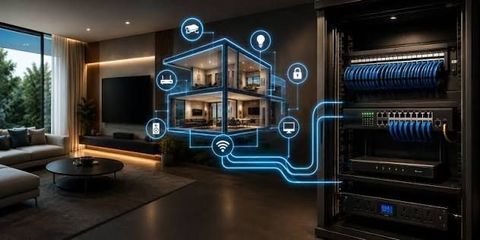
Integration can make a doorbell part of a broader connected-home environment.
Compatibility should be confirmed before combining products from different ecosystems.
Motion Detection and Activity Zones
Modern doorbells may allow users to configure specific areas for monitoring.
For example, a homeowner may define:
Front walkway
Driveway
Porch
Entry path
Package area
Activity zones can help focus notifications on areas that matter while reducing unnecessary alerts.
Users should also consider neighboring properties and public areas when configuring detection zones.
Smart Doorbell Installation Considerations
Before installation, homeowners can review:
Existing doorbell wiring
Voltage requirements
Wi-Fi signal strength
Camera viewing angle
Mounting surface
Weather exposure
Doorway lighting
Battery accessibility
Network security
Local privacy requirements
Compatibility with existing smart-home equipment
Wired electrical work should be performed according to applicable requirements and, where necessary, by appropriately qualified professionals.
Smart Doorbells and Home Security
A smart doorbell can form one component of a broader home-security system.
A connected setup might include:
Smart Doorbell → Security Camera → Smart Lock → Motion Sensor → Mobile Alert
However, a doorbell camera does not provide complete property security by itself.
Other factors may include:
Exterior lighting
Physical locks
Window security
Alarm systems
Network security
Security cameras
Household procedures
Emergency planning
Recent Smart Doorbell Technology Trends
Connected doorbells continue to develop alongside broader smart-home technology.
Current trends include:
Improved person detection
More sophisticated motion classification
Better low-light imaging
Expanded local processing
Improved privacy controls
Integration with smart-home standards
More flexible storage configurations
AI-assisted event categorization
Greater emphasis on account security
Integration with broader residential security systems
Users should evaluate whether these capabilities are actually relevant to their needs rather than focusing solely on the number of available features.
Practical Smart Doorbell Checklist
Before selecting or configuring a smart doorbell, consider:
Camera resolution
Field of view
Night-vision capability
Motion detection
Person detection
Two-way audio
Video-storage method
Data-retention settings
Privacy controls
Activity zones
Wired or battery power
Wi-Fi coverage
Mobile application security
Multi-factor authentication
Firmware-update process
Smart-home compatibility
Weather protection
Manual access options
Applicable local requirements
Tools and Resources
Useful resources for smart-doorbell planning include:
Manufacturer technical documentation
Mobile application security settings
Router-management tools
Wi-Fi signal-testing tools
Privacy-control settings
Device firmware-management tools
Home network security documentation
Smart-home compatibility information
Local privacy and recording regulations
Qualified electrical professionals for applicable wiring work
Reviewing technical specifications and privacy documentation before installation can help users understand how the device handles video, audio, accounts, and stored information.
Frequently Asked Questions
1. What is a smart doorbell?
A smart doorbell is a connected doorbell that can combine video, audio, motion detection, mobile notifications, and other monitoring capabilities.
2. Do smart doorbells record video?
Many models can record video, but recording capabilities and storage arrangements vary. Some systems use cloud storage, while others support local storage or event-based recording.
3. Do smart doorbells require Wi-Fi?
Many connected doorbells rely on Wi-Fi for mobile notifications and remote access. Some functionality may continue locally during an internet outage, depending on the device.
4. Are smart doorbells secure?
Security depends on the device, account protection, network configuration, software updates, privacy controls, and manufacturer practices. Strong authentication and regular updates can help protect connected devices.
5. Can a smart doorbell capture neighboring property?
It can, depending on camera placement and field of view. Privacy settings such as activity zones and privacy masking may help limit unnecessary recording, but applicable laws and local expectations should also be considered.
Conclusion
Smart doorbells combine traditional entry controls with connected cameras, motion detection, two-way communication, mobile alerts, and broader home-security technologies.
Choosing and configuring one involves more than camera resolution. Privacy, cybersecurity, storage, power, network reliability, device compatibility, and local requirements can all affect how effectively a smart doorbell fits into a connected home.
A practical approach is to evaluate the complete system, understand how personal information and recordings are handled, protect associated accounts, and maintain appropriate physical and manual security measures alongside connected technology.
Disclaimer

Related Post...