Slotting Machines Guide: Explore Basics, Working Process, and Key Facts
Slotting machines are specialized machine tools used in metalworking to create internal slots, grooves, keyways, and other precision shapes inside mechanical components. These machines are part of the broader category of shaping equipment used in manufacturing and fabrication environments. Their purpose is to remove material in a controlled vertical cutting motion, allowing machinists to produce precise internal geometries that are difficult to achieve with other machine tools.
A slotting machine operates using a reciprocating ram that moves vertically. The cutting tool attached to the ram removes material during the downward stroke while the upward stroke typically remains idle. This motion enables the machine to gradually shape internal surfaces with high precision. Slotting machines are particularly useful in machining operations involving gears, pulleys, and internal splines where accurate internal cuts are required.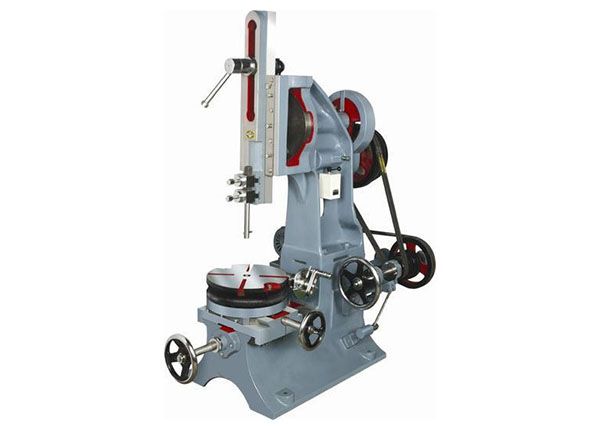
As modern manufacturing processes demand higher precision and repeatability, slotting machines remain valuable in workshops and production facilities. Although newer technologies such as CNC machining centers are widely used, slotting machines still play an important role in many specialized metal fabrication tasks.
Importance
Slotting machines are important because they enable manufacturers to produce internal features that are essential for mechanical assemblies. Many engineering components rely on internal grooves or keyways to connect rotating parts, transmit torque, or ensure precise alignment. Without accurate slotting operations, the performance and reliability of these components could be compromised.
Several groups benefit from the use of industrial slotting machines:
-
Machinists and fabrication technicians rely on slotting equipment to perform precise internal cutting operations.
-
Mechanical engineers depend on slotting processes when designing components that require internal slots or keyways.
-
Manufacturing facilities use slotting machines to support machining operations for gears, pulleys, couplings, and other mechanical parts.
-
Maintenance teams rely on slotting processes when repairing worn or damaged machine components.
Slotting machines are commonly found in industries such as automotive manufacturing, heavy machinery production, aerospace component fabrication, and general engineering workshops. In these sectors, precise internal machining supports the performance of complex mechanical systems.
Recent Updates
Recent developments related to slotting machines reflect broader changes in machining technology and industrial automation. While the basic mechanical principle of slotting remains consistent, improvements in machine design and digital control have enhanced precision and usability.
Important developments include:
-
Digital control integration: Many modern slotting machines now include programmable controls that allow operators to adjust stroke length and cutting parameters more accurately.
-
Improved tool materials: Advances in cutting tool technology enable longer tool life and better performance when machining harder materials.
-
Enhanced machine rigidity: Updated machine frames and guide mechanisms improve stability during cutting operations.
-
Automation compatibility: Some slotting machines are designed to integrate with automated material handling systems.
-
Improved operator safety: Modern machines often include enhanced guarding systems and emergency stop mechanisms.
These developments help slotting machines remain relevant in environments where precision machining is required alongside newer manufacturing technologies.
Laws or Policies
Industrial machinery such as slotting machines is influenced by workplace safety regulations and equipment standards designed to protect operators and ensure reliable operation. These regulations vary by country but share common objectives related to safe machine use.
Typical policy areas affecting slotting machines include:
-
Machine safety regulations requiring protective guards and emergency shutdown systems.
-
Workplace safety training guidelines ensuring operators understand safe machine operation procedures.
-
Industrial equipment standards defining performance and safety requirements for machine tools.
-
Environmental compliance guidelines related to noise control and energy usage in manufacturing facilities.
Compliance with these frameworks ensures that slotting machines operate safely while maintaining productivity within industrial environments.
Tools and Resources
A number of technical resources support professionals who work with slotting machines. These resources help engineers and machinists understand machine capacity, cutting parameters, and operational guidelines.
Common tools and references include:
-
Machining parameter calculators used to estimate cutting speed and feed rates.
-
Material property databases describing hardness and machinability of metals.
-
Technical manuals for machine tools explaining configuration and maintenance procedures.
-
Engineering design references covering internal keyways, splines, and slot dimensions.
-
Industrial standards documentation describing machining practices and safety considerations.
These resources provide practical guidance for operating slotting machines and maintaining consistent machining quality.
Types of Slotting Machines
Slotting machines are available in several configurations depending on the scale of production and machining requirements.
| Slotting Machine Type | Primary Application | Key Characteristic |
|---|---|---|
| Conventional slotting machines | General machining workshops | Manual control with reciprocating ram |
| Hydraulic slotting machines | Heavy-duty metal cutting | Smooth and powerful cutting motion |
| CNC slotting machines | Precision manufacturing | Computer-controlled positioning |
| Production slotting machines | High-volume operations | Optimized for repeated tasks |
Selecting the appropriate machine type depends on the material being machined, the size of the workpiece, and the precision required.
Working Process of Slotting Machines
The working process of a slotting machine involves a sequence of controlled mechanical movements that remove material from the workpiece.
The process typically follows these steps:
-
Workpiece positioning: The component is securely mounted on the machine table.
-
Tool alignment: The cutting tool is positioned to match the desired slot or groove location.
-
Vertical cutting stroke: The ram moves downward, allowing the tool to remove material from the surface.
-
Return stroke: The ram moves upward without cutting.
-
Table feed movement: The table shifts slightly after each stroke, gradually shaping the slot.
This reciprocating cutting action continues until the required depth and geometry are achieved.
FAQs
What is a slotting machine used for?
A slotting machine is used to cut internal slots, grooves, and keyways in metal components.
How does a slotting machine differ from a shaping machine?
Both machines use reciprocating cutting motion, but slotting machines typically operate vertically while shaping machines operate horizontally.
Which industries use slotting machines most frequently?
Industries such as automotive manufacturing, heavy machinery production, and engineering workshops commonly use slotting machines.
Can slotting machines produce complex shapes?
Yes, they can create internal profiles, splines, and grooves when properly configured.
Are slotting machines still relevant in modern manufacturing?
Yes. Although CNC machining centers are widely used, slotting machines remain useful for specialized internal cutting operations.
Conclusion
Slotting machines remain important tools in metalworking and precision machining. By enabling the creation of internal slots, grooves, and keyways, they support many mechanical assemblies used in industrial systems. Despite advances in modern machining technologies, the fundamental design of slotting machines continues to provide reliable and precise cutting capabilities. Understanding their basics, working process, and applications helps clarify their role in contemporary manufacturing environments.

You may also like...
Belted Cables Explained: Comprehensive Guide with Insights, Facts & Useful Resources
Last Update: March 26, 2026
Read
Discover How Gas Pressure Control Improves Safety and System Stability
Last Update: March 24, 2026
Read
Explore Cable Manufacturing Machines: Guide, Insights, and Key Information
Last Update: March 27, 2026
Read