The practice of using scaffolds dates back thousands of years and continues to evolve with new materials, safety standards, and engineering innovations. Today, scaffolding is widely used in residential, commercial, industrial, and infrastructure projects.
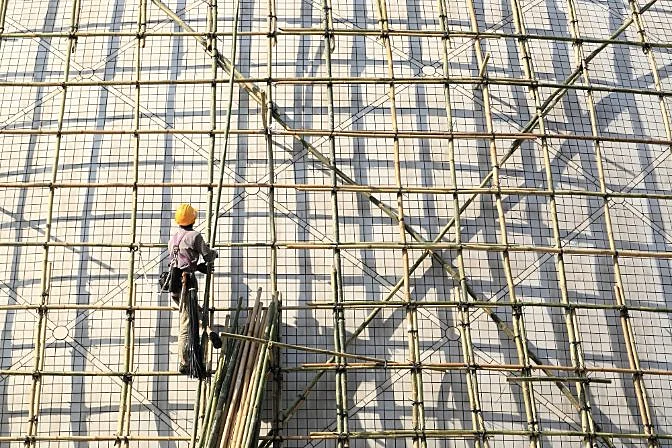
From erecting a new skyscraper to repainting a residential facade, scaffolding ensures workers can perform their tasks securely and efficiently.
Why Scaffolding Matters Today
Scaffolding plays a vital role in modern construction and maintenance. It impacts not only the safety of workers but also the overall quality and speed of the work being done.
Who Uses Scaffolding Services
-
Construction companies rely on scaffolding to access multiple levels safely.
-
Restoration crews need stable platforms for work on historic or tall buildings.
-
Painters, electricians, and maintenance workers use scaffolds for elevated work.
-
Event organizers sometimes use scaffolding to build temporary stages or platforms.
Key Benefits
-
Safety: Provides a stable working platform at various heights.
-
Accessibility: Enables workers to reach different parts of a structure without difficulty.
-
Efficiency: Supports faster completion of high-level work by allowing mobility and organization.
-
Flexibility: Can be adjusted or customized for various types of structures and job requirements.
Problems Solved
-
Reduces risk of falls or accidents associated with working at height.
-
Supports heavy materials or tools at elevation.
-
Provides access to otherwise unreachable areas of tall or large structures.
-
Helps ensure compliance with workplace safety regulations.
Recent Trends and Developments
The scaffolding industry has seen several noteworthy updates in the last year. These include new materials, digital planning tools, and increased focus on sustainability and safety.
Lightweight and Modular Systems
In 2024, many companies have begun using aluminum-based scaffolding systems, which are lighter than traditional steel models and easier to transport and assemble. Modular scaffold designs also allow for faster setup and better fit for irregular or complex building shapes.
Digital Design Tools
3D modeling and scaffold management software has gained popularity in 2024 and 2025. These tools allow engineers and project managers to plan scaffold configurations with high accuracy, reducing installation time and potential safety hazards.
Popular programs include:
-
Avontus Designer
-
Layher SIM
-
Smart Scaffolder
Safety Innovations
Fall protection systems and automated locking mechanisms have improved. In 2025, new harness-compatible anchor points and integrated guardrails have become standard in many regions, improving compliance and reducing injuries.
Sustainable Materials
Scaffold boards made from recycled materials and engineered wood are being adopted by environmentally conscious construction firms. Reusable scaffolding components are also reducing waste on large projects.
Laws and Regulations Affecting Scaffolding
Scaffolding is regulated to ensure public and worker safety. These regulations vary by country but generally cover design, setup, inspection, use, and dismantling.
United States
OSHA (Occupational Safety and Health Administration) standards (29 CFR 1926.451) mandate:
Platforms must support at least four times the intended load.
Guardrails and toe boards are required for platforms over 10 feet high.
Scaffolds must be inspected by a competent person regularly.
United Kingdom
Work at Height Regulations 2005 and TG20:21 guidance from the NASC (National Access & Scaffolding Confederation) require:
Safe design and verification using software like TG20 eGuide.
Weekly scaffold inspections by trained professionals.
Specific training for scaffold erection teams.
India
The Factories Act 1948 and Building and Other Construction Workers Act 1996 outline safety rules for scaffolding use.
Emphasize regular maintenance.
Require guardrails and proper load distribution.
Mandate personal protective equipment (PPE) for workers at height.
Inspection and Compliance
Regulations generally require scaffolds to be:
-
Inspected before first use
-
Reinspected after any alterations or severe weather
-
Checked weekly during use
Failure to comply can result in fines, legal action, or work stoppages.
Tools and Resources for Scaffolding Services
Whether you're planning a construction project or managing worker safety, several tools and resources are available to help.
Planning and Design Software
Avontus Designer: Offers 3D scaffold planning with visual previews.
Layher SIM: Engineering tool for Layher scaffold systems.
Smart Scaffolder: Allows users to calculate loads and design safe structures.
Safety Checklists and Templates
OSHA Scaffold Safety Checklist:www.osha.gov
NASC TG20 eGuide: Scaffold compliance guide (UK specific)
Construction Safety Apps like iAuditor and SafetyCulture for on-site inspections
Training Platforms
Scaffold Training Institute (STI): Offers courses in scaffold safety and erection.
Coursera and Udemy: Host basic safety and construction site awareness modules.
NASC (UK) and SAIA (US): Industry bodies offering certification and compliance training.
Apps for Monitoring and Documentation
ScaffTrak: Manages scaffold inventory, inspections, and certification records.
PlanGrid: Document sharing and markup tool for job sites.
BIM 360: Integrates scaffold planning into full construction project workflows.
Frequently Asked Questions
What is scaffolding used for?
Scaffolding provides temporary access and support for construction, maintenance, or repairs at height. It allows workers to move safely and perform tasks like painting, welding, or bricklaying.
Is scaffolding safe?
Yes, when set up and used properly. It must follow safety guidelines, include features like guardrails, and be regularly inspected. Workers should also use fall protection equipment and follow site safety rules.
Do you need a license or permit to erect scaffolding?
In many countries, professional scaffold erection requires certified training. Permits may also be required, especially for structures in public spaces or attached to buildings. Local building departments or municipalities usually issue permits.
How long does it take to set up scaffolding?
It depends on the size and complexity. Small residential scaffolds may take a few hours. Large commercial projects can take several days or weeks. Modular systems can speed up the process.
Can scaffolding be used in bad weather?
Use is limited in strong wind, heavy rain, or snow. Wet planks and metal parts can be slippery. Most regulations require scaffolding work to stop during dangerous weather conditions, and structures should be re-inspected after severe weather events.
Final Thoughts
Scaffolding is a foundational part of modern construction and infrastructure work. It provides the critical support and access needed to complete jobs at height safely and efficiently. Understanding the basics of how scaffolding works, the safety measures involved, and the rules that govern its use can help everyone from builders and planners to property owners make informed decisions.
Thanks to technological improvements, digital planning tools, and stronger safety regulations, scaffolding today is more reliable and adaptable than ever. As urban construction continues to rise, demand for skilled scaffold services and compliant systems will grow.
By learning how scaffolding supports projects from the ground up, we better understand the invisible frameworks behind our buildings, bridges, and cities.