In simple terms, a SCADA control system collects data from sensors and devices, processes that data, and presents it to operators through visual dashboards. These systems allow people to observe conditions, detect issues, and respond without being physically present at every location. Over time, SCADA has evolved from basic monitoring setups into advanced digital platforms integrated with modern communication networks.
Today, SCADA monitoring is widely used in both public and private sectors. It plays a role in managing electricity grids, water distribution systems, traffic control networks, and industrial production lines. The increasing demand for automation and efficiency has made SCADA systems a central part of modern infrastructure.
Importance
SCADA control systems matter because they help maintain stability and safety in complex operations. Many systems that people rely on daily—such as electricity, clean water, and transportation—depend on continuous monitoring. Without tools like SCADA, managing these systems would require constant manual supervision, which is often impractical.
One of the main benefits of SCADA monitoring is its ability to detect problems early. For example, a pressure drop in a pipeline or a temperature rise in a machine can be identified quickly. This reduces the likelihood of larger failures and helps maintain consistent performance.
SCADA systems also support decision-making by presenting real-time data in a clear format. Operators can view trends, compare historical data, and make informed adjustments. This is especially useful in industries where small changes can have significant effects.
Key areas where SCADA control systems are important include:
- Energy distribution, where SCADA helps balance supply and demand
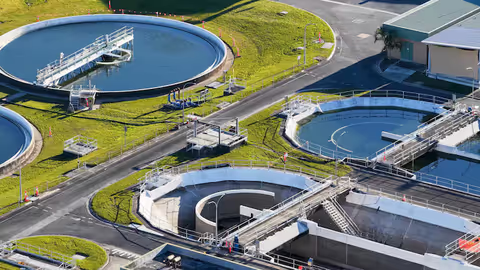
- Water and wastewater management, ensuring safe and efficient flow
- Manufacturing, where it supports process automation and monitoring
- Transportation systems, including traffic and railway networks
By enabling centralized control, SCADA reduces the need for manual intervention and helps improve operational reliability.
Recent Updates
In recent years, SCADA control systems have seen several developments driven by advancements in digital technology. One noticeable trend is the integration of SCADA with cloud-based platforms. This allows data to be accessed remotely through secure networks, making monitoring more flexible.
Another development is the use of Internet of Things (IoT) devices. IoT sensors can collect more detailed data and transmit it continuously, enhancing SCADA monitoring capabilities. This has led to improved visibility across systems and more precise control.
Cybersecurity has also become a major focus. As SCADA systems are increasingly connected to networks, protecting them from unauthorized access is essential. New approaches include stronger encryption methods, network segmentation, and continuous monitoring of system activity.
Artificial intelligence and data analytics are being incorporated into SCADA platforms as well. These tools can analyze large volumes of data to identify patterns, predict maintenance needs, and support long-term planning.
The following table highlights some recent trends in SCADA systems:
| Trend | Description |
|---|---|
| Cloud Integration | Enables remote access and centralized data storage |
| IoT Connectivity | Expands data collection through smart sensors |
| Cybersecurity Measures | Focus on protecting systems from digital threats |
| Data Analytics | Uses data patterns to improve efficiency and predict issues |
| Mobile Access | Allows monitoring through smartphones and portable devices |
These changes reflect a broader shift toward more connected and intelligent industrial systems.
Laws or Policies
SCADA control systems are influenced by various regulations, especially in sectors related to public infrastructure and safety. Governments and regulatory bodies establish guidelines to ensure that these systems operate reliably and securely.
In many countries, critical infrastructure such as power grids and water systems must follow strict standards. These may include requirements for system reliability, data protection, and emergency response planning. Compliance ensures that essential services remain stable even during unexpected events.
Cybersecurity regulations have become increasingly important. Organizations managing SCADA systems are often required to implement measures such as:
- Regular security assessments
- Access control policies
- Incident reporting procedures
- Data protection protocols
In India, guidelines related to industrial automation and cybersecurity are influenced by national frameworks such as the National Cyber Security Policy. These frameworks encourage organizations to strengthen digital infrastructure and reduce vulnerabilities.
International standards also play a role. Standards from organizations such as the International Electrotechnical Commission (IEC) and the International Organization for Standardization (ISO) provide guidelines for system design, communication protocols, and safety practices.
Overall, laws and policies aim to ensure that SCADA monitoring systems remain dependable and secure, particularly when they are used in essential services.
Tools and Resources
A variety of tools and resources support the implementation and operation of SCADA control systems. These tools help with system design, monitoring, data analysis, and maintenance.
Common components and tools include:
- Human-Machine Interface (HMI): Displays data in visual formats such as charts and dashboards, allowing operators to interact with the system
- Programmable Logic Controllers (PLCs): Devices that collect data from sensors and control machinery based on predefined logic
- Remote Terminal Units (RTUs): Used in remote locations to gather data and transmit it to central systems
- Data historians: Store historical data for analysis and reporting
- Simulation software: Helps test system behavior under different conditions
There are also educational resources available for understanding SCADA systems, including online learning platforms, technical documentation, and industry publications. These resources explain how SCADA monitoring works and how it is applied in different sectors.
Templates and planning tools can assist in system design by outlining key elements such as network architecture, communication protocols, and data flow. These tools help ensure that systems are structured efficiently and meet operational requirements.
FAQs
What is a SCADA control system and how does it work?
A SCADA control system is a technology used to monitor and control industrial processes. It collects data from sensors, processes it, and displays it through a central interface. Operators can then analyze the data and make adjustments as needed.
Where is SCADA monitoring commonly used?
SCADA monitoring is used in industries such as energy, water management, manufacturing, and transportation. It helps manage systems that require continuous observation and control across large areas.
What are the main components of a SCADA system?
The main components include sensors, PLCs or RTUs, communication networks, and HMI software. These parts work together to collect, transmit, and display data for monitoring and control.
How does SCADA improve industrial efficiency?
SCADA improves efficiency by providing real-time data, reducing manual intervention, and enabling faster response to issues. It also helps identify trends and optimize processes over time.
Is SCADA control system secure?
Security depends on how the system is designed and maintained. Modern SCADA systems include cybersecurity measures such as encryption, access control, and monitoring tools to reduce risks.
Conclusion
SCADA control systems play a significant role in managing complex industrial and infrastructure operations. They provide a structured way to monitor processes, collect data, and support informed decision-making. With ongoing advancements in connectivity, data analysis, and cybersecurity, SCADA monitoring continues to evolve. Understanding its basic concepts helps explain how many essential systems function in everyday life.