SaaS Integration Platforms Explained: APIs, Automation, and Data Flow
SaaS integration platforms are systems that connect different software applications so they can share data and work together smoothly. In modern digital environments, businesses often use multiple cloud-based tools such as CRM systems, ERP platforms, marketing automation tools, and analytics dashboards. These tools operate independently, which can create data silos and inefficiencies.
To solve this, integration platforms use APIs (Application Programming Interfaces), automation workflows, and structured data flows to enable communication between applications. Instead of manually transferring data, these platforms automate processes and ensure consistency across systems.
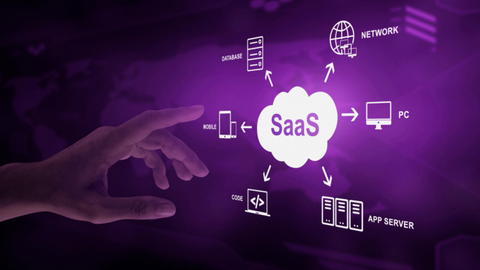
At a basic level, an API acts as a bridge that allows one application to request and receive data from another. Integration platforms build on this by providing centralized control, workflow automation, and monitoring.
Here is a simple representation of how SaaS integration works:
| Component | Role in Integration |
|---|---|
| APIs | Enable communication between applications |
| Middleware | Acts as a connector or translator |
| Automation Workflows | Define rules for data movement |
| Data Mapping | Aligns fields between systems |
| Monitoring Tools | Tracks performance and errors |
These systems are commonly referred to as iPaaS (Integration Platform as a Service), a key concept in cloud computing and enterprise IT infrastructure.
Importance – Why SaaS Integration Matters Today
The importance of SaaS integration platforms has grown significantly due to the increasing adoption of cloud-based software. Organizations now rely on multiple specialized tools rather than a single monolithic system.
Without integration, businesses face several challenges:
-
Duplicate data across systems
-
Manual data entry errors
-
Delayed decision-making due to inconsistent information
-
Increased operational complexity
SaaS integration platforms address these issues by enabling real-time data synchronization and automated workflows.
They are particularly important for:
-
Enterprises managing large-scale digital operations
-
Small and medium businesses using multiple SaaS tools
-
Marketing teams handling multi-channel campaigns
-
Finance departments requiring accurate reporting
For example, integrating a CRM with a marketing platform ensures that customer data flows seamlessly, allowing better segmentation and analytics.
Key benefits include:
-
Improved operational efficiency
-
Better data accuracy and consistency
-
Enhanced customer experience
-
Faster reporting and analytics
In industries like healthcare, finance, and e-commerce, integration platforms also support compliance and secure data handling, which is increasingly critical.
Recent Updates – Trends and Developments in 2025–2026
The SaaS integration landscape has evolved rapidly over the past year, driven by advancements in automation, artificial intelligence, and data governance.
Some notable trends include:
-
AI-driven integrations (2025): Many platforms introduced AI-assisted workflow creation, allowing users to automate processes using natural language inputs.
-
Event-driven architecture adoption (2025–2026): Real-time data streaming has become more common, replacing batch processing methods.
-
Low-code and no-code tools expansion (2025): Integration platforms now offer visual builders, making them accessible to non-technical users.
-
API standardization initiatives (2026): Efforts to standardize APIs across industries have improved interoperability and reduced integration complexity.
-
Data privacy enhancements (2025): Platforms have introduced stronger encryption and compliance features to align with global data protection regulations.
The following table highlights key trends:
| Trend | Description | Impact |
|---|---|---|
| AI Automation | Smart workflow suggestions | Reduced manual configuration |
| Real-Time Data Streaming | Event-based data transfer | Faster decision-making |
| Low-Code Integration | Visual workflow builders | Wider adoption across teams |
| API Standardization | Unified communication protocols | Easier system compatibility |
| Data Governance | Enhanced privacy and compliance controls | Increased trust and security |
These developments indicate a shift toward more intelligent, user-friendly, and secure integration ecosystems.
Laws or Policies – Regulatory Considerations in India
SaaS integration platforms operate within a framework of data protection and IT regulations, especially when handling sensitive information.
In India, several laws and policies influence how integration platforms are designed and used:
-
Digital Personal Data Protection Act, 2023: This law governs how personal data is collected, processed, and stored. Integration platforms must ensure secure data transfer and user consent management.
-
Information Technology Act, 2000: Provides legal recognition for electronic transactions and outlines cybersecurity requirements.
-
CERT-In Guidelines (updated 2022–2023): Mandate reporting of cybersecurity incidents and maintaining logs for a specified duration.
-
Sector-specific regulations:
-
RBI guidelines for financial data handling
-
Healthcare data standards for patient information
-
Compliance considerations include:
-
Data encryption during transfer (API security)
-
Access control and authentication mechanisms
-
Audit trails and logging
-
Data residency requirements
Organizations using SaaS integration platforms must ensure that their workflows align with these regulations, particularly when handling customer or financial data.
Tools and Resources – Platforms and Utilities
There are several widely used tools and resources that support SaaS integration, automation workflows, and API management. These tools vary in complexity and use cases.
Common categories include:
-
Integration platforms (iPaaS)
-
API management tools
-
Workflow automation tools
-
Data transformation utilities
Examples of commonly used tools:
-
Zapier – Workflow automation for connecting apps
-
MuleSoft – Enterprise-level integration platform
-
Workato – Automation and integration platform
-
Microsoft Power Automate – Cloud-based workflow automation
-
Postman – API testing and development tool
Useful resources and utilities:
-
API documentation portals
-
Data mapping templates
-
Integration testing environments
-
Monitoring dashboards
Here is a comparison table of tool types:
| Tool Type | Purpose | Typical Users |
|---|---|---|
| iPaaS Platforms | End-to-end integration | Enterprises, IT teams |
| API Tools | API testing and management | Developers |
| Automation Tools | Workflow automation | Business users, marketers |
| Data Tools | Data transformation and validation | Data analysts |
These tools help organizations design, test, and maintain integration workflows efficiently.
FAQs – Common Questions About SaaS Integration
What is an API in simple terms?
An API is a set of rules that allows one software application to communicate with another. It enables data exchange without exposing internal system details.
How does automation work in integration platforms?
Automation uses predefined workflows to trigger actions based on events. For example, when a new customer is added in a CRM, the system can automatically update another application.
What is data flow in SaaS integration?
Data flow refers to how information moves between systems. It can be real-time, scheduled, or event-based depending on the integration setup.
Are SaaS integrations secure?
Security depends on implementation. Most platforms use encryption, authentication, and access controls to protect data. Compliance with regulations also plays a key role.
Who uses SaaS integration platforms?
They are used by businesses of all sizes, including IT teams, marketing professionals, finance departments, and operations teams.
Conclusion
SaaS integration platforms play a central role in modern digital ecosystems by connecting applications, automating workflows, and ensuring smooth data flow. As organizations increasingly rely on multiple cloud-based tools, the need for efficient integration has become essential rather than optional.
Advancements in AI, low-code development, and real-time data processing have made these platforms more accessible and powerful. At the same time, regulatory requirements and data privacy concerns continue to shape how integrations are designed and managed.
Understanding APIs, automation workflows, and data flow concepts helps individuals and organizations make better decisions about technology usage and system architecture. As the digital landscape evolves, SaaS integration platforms will remain a key component of efficient and scalable operations.

You may also like...
SaaS Integration Platforms Explained: APIs, Automation, and Data Flow
Last Update: April 08, 2026
Read
Explore AI Interview Tools : Guide, Benefits, and Key Features for Students
Last Update: April 08, 2026
Read
Share Market Coaching Information That Supports Smarter Trading Decisions
Last Update: April 08, 2026
Read