In earlier construction practices, natural materials and basic layering techniques were used to reduce water seepage. Modern roof waterproofing now involves a combination of advanced waterproofing materials and structured application techniques. These approaches are applied to different surfaces such as terraces, sloped roofs, and concrete structures.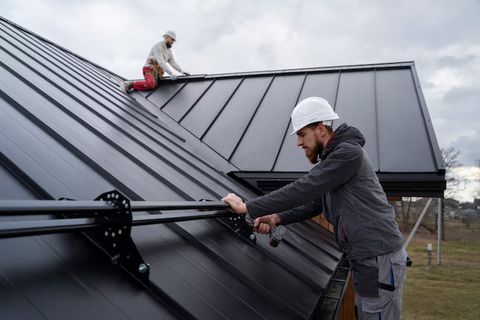
Understanding roof waterproofing helps explain how buildings maintain durability and resist damage caused by water infiltration. It also provides insight into how roof sealing techniques and protective layers function in everyday construction.
Importance
Roof waterproofing plays a critical role in maintaining the integrity of a building. Water penetration can weaken structures, damage interiors, and create long-term maintenance challenges. Without proper roof protection methods, even minor leaks can gradually lead to significant issues.
This topic affects a wide range of people, including homeowners, tenants, and property managers. In residential buildings, terrace waterproofing helps prevent water from entering living spaces. In commercial settings, waterproof coating for roof surfaces supports the protection of equipment and stored materials.
The importance of roof leakage solutions can be seen in common situations such as heavy rainfall or seasonal weather changes. Waterproofing helps reduce structural stress, maintain indoor conditions, and extend the life of construction materials.
Types of Waterproofing Methods
Different waterproofing methods are used depending on the type of roof, climate, and building design.
Liquid Waterproofing
This method involves applying a liquid coating that forms a seamless protective layer. It is commonly used in terrace waterproofing and flat roof waterproofing due to its flexibility.
Membrane Waterproofing
Membrane systems use sheets or layers placed over the roof surface. These membranes act as barriers against water penetration and are often used in concrete roof waterproofing.
Bituminous Waterproofing
Bituminous materials are derived from asphalt and are widely used for their water-resistant properties. They are commonly applied in layers to create durable roof sealing techniques.
Cementitious Waterproofing
This method uses cement-based mixtures to create a protective coating. It is often applied in areas that require rigid waterproofing solutions.
Waterproofing Materials
Various waterproofing materials are used to create effective protection against water.
Common Materials
- Liquid coatings that form seamless layers
- Bitumen-based compounds for layered protection
- Polymer-modified materials for flexibility
- Cement-based mixtures for rigid surfaces
Material Selection Factors
The choice of materials depends on several factors:
- Type of roof surface such as flat or sloped
- Exposure to weather conditions
- Required durability and maintenance level
- Compatibility with existing structures
Selecting appropriate waterproofing materials helps ensure long-term performance.
Comparison of Waterproofing Methods
| Method | Application Type | Surface Suitability | Key Feature |
|---|---|---|---|
| Liquid Waterproofing | Coating | Flat and terrace roofs | Seamless layer |
| Membrane Waterproofing | Sheet-based | Concrete and large roofs | Strong barrier |
| Bituminous Waterproofing | Layered application | Industrial and flat roofs | Durable protection |
| Cementitious Waterproofing | Coating | Internal and rigid areas | Easy application |
Roof Leakage Solutions
Roof leakage solutions focus on identifying and addressing areas where water enters the structure.
Common Causes of Leakage
- Cracks in the roof surface
- Poor drainage systems
- Damaged waterproof coating for roof
- Aging materials
Preventive Measures
- Regular inspection of roof surfaces
- Maintenance of drainage outlets
- Timely repair of cracks and joints
- Application of suitable roof protection methods
These steps help reduce the likelihood of water-related damage.
Recent Updates
Recent trends in roof waterproofing focus on improving efficiency and adaptability. Modern waterproofing materials are designed to be more flexible, allowing them to adjust to temperature changes and structural movement.
There is also increased interest in eco-friendly solutions. Some waterproof coating for roof systems are now developed with reduced environmental impact. Additionally, digital tools are being used to monitor roof conditions and detect potential issues early.
Another development is the integration of multi-layer systems that combine different waterproofing methods for enhanced protection.
Laws or Policies
Roof waterproofing is influenced by building regulations and construction standards in many countries.
Building Codes
Construction guidelines often include requirements for waterproofing to ensure safety and durability. These codes define acceptable materials and application methods.
Safety Standards
Workers involved in applying waterproofing materials must follow safety protocols to prevent accidents and ensure proper handling.
Environmental Guidelines
Regulations may address the use and disposal of waterproofing materials to reduce environmental impact.
These policies help maintain consistency and safety in construction practices.
Tools and Resources
Various tools and resources support roof waterproofing processes and maintenance.
Inspection Tools
Devices and techniques are used to identify cracks, moisture levels, and weak points in roofing systems.
Measurement Tools
Tools for measuring surface area and material requirements help plan waterproofing applications accurately.
Digital Monitoring Systems
Some systems track environmental exposure and detect early signs of leakage or damage.
Technical Guides
Reference materials explain waterproofing methods, roof sealing techniques, and maintenance practices.
These resources assist in understanding and managing waterproofing tasks effectively.
FAQs
What is roof waterproofing and why is it important?
Roof waterproofing is the process of protecting a roof from water penetration. It is important because it helps prevent structural damage and maintains building durability.
What are common waterproofing methods for roofs?
Common waterproofing methods include liquid coatings, membrane systems, bituminous layers, and cement-based applications.
How do roof leakage solutions work?
Roof leakage solutions focus on identifying the source of water entry and applying appropriate repair and sealing techniques.
Which waterproofing materials are used for terrace waterproofing?
Terrace waterproofing often uses liquid coatings, polymer-based materials, and membrane systems depending on the surface.
What is flat roof waterproofing?
Flat roof waterproofing involves applying protective layers or coatings to prevent water accumulation and seepage on flat surfaces.
Conclusion
Roof waterproofing is an essential aspect of building maintenance that helps protect structures from water damage. Different waterproofing methods and materials are used based on roof type and environmental conditions. Understanding roof leakage solutions and proper application techniques supports long-term durability. As construction practices evolve, roof protection methods continue to improve in efficiency and adaptability.