Roof Replacement Solutions: Key Insights for Better Planning
Roof problems rarely appear at a convenient time. Many homeowners first notice small warning signs like minor leaks, missing shingles, or rising indoor temperatures, but the real issue often develops slowly beneath the surface. By the time visible damage appears, repair decisions can become more expensive and more complicated.
Many people don’t realize that roof replacement decisions are not only about fixing damage. Material lifespan, climate exposure, insulation performance, labor quality, and future maintenance all influence how well a roofing system performs over time.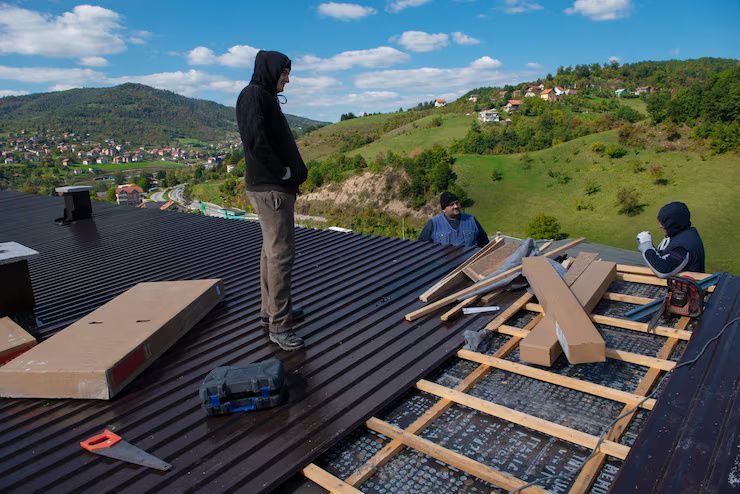
This roof replacement solutions guide explains how replacement planning works, what roofing differences matter most, and why long-term performance often depends on decisions made before installation even begins.
Why Roof Replacement Planning Matters
Roof replacement is one of the most important structural upgrades a property may experience.
This matters because the roof affects insulation efficiency, moisture protection, ventilation, and even property value. A weak roofing system may increase cooling costs, create water damage risks, and shorten the lifespan of other building materials.
From a practical perspective, roof replacement projects also involve timing, budgeting, contractor coordination, and material comparison. Poor planning may create delays or repeated repairs later.
In real-world situations, homeowners who replace roofs proactively often avoid larger structural expenses caused by hidden water intrusion.
Signs That Roof Replacement May Be Necessary
Roof damage does not always appear dramatically at first.
Some roofs show gradual signs such as curling shingles, dark moisture spots, sagging areas, or increased attic humidity. In older homes, roofing materials may weaken even when exterior damage still looks minor.
One overlooked factor is weather exposure. Roofs in areas with heavy heat, storms, or seasonal freezing often age faster than expected.
In many cases, replacement decisions happen after repeated repairs stop solving the underlying problem.
Roofing Material Options and Performance Differences
Asphalt Shingle Roofing
Asphalt shingles remain one of the most common residential roofing options because of balanced installation cost and broad availability.
They often work well for moderate climates, though long-term roof performance may vary depending on weather exposure and ventilation quality.
Metal Roofing Systems
Metal roofing systems are known for durability and heat reflection.
In real-world use, they tend to perform well in regions with strong sunlight or heavy rainfall, though installation costs are usually higher upfront.
Tile and Slate Roofing
Tile and slate roofs are often associated with premium durability and architectural appearance.
These systems may last significantly longer, but structural support requirements and installation complexity become more important factors.
Roof Replacement Comparison
| Roofing Option | Main Advantage | Best Fit | Trade-Off |
|---|---|---|---|
| Asphalt Shingles | Lower upfront cost | Standard residential homes | Shorter lifespan |
| Metal Roofing | Long-term durability | Harsh climate regions | Higher installation cost |
| Tile Roofing | Strong weather resistance | Warm climates | Heavy structural load |
| Slate Roofing | Premium longevity | Luxury properties | Expensive labor and materials |
This roof replacement comparison shows that material choice depends less on trends and more on environment, maintenance expectations, and long-term ownership plans.
The real difference appears when roofing systems are evaluated over decades rather than initial installation price alone.
Decision Thinking: Choosing the Best Roof Replacement Solutions
The best roof replacement solutions depend on climate conditions, structural design, budget flexibility, and maintenance priorities.
A homeowner in a storm-prone area may prioritize durability and wind resistance, while another may focus more on insulation performance and energy efficiency.
One overlooked factor is installation quality. Even premium materials may underperform if ventilation, flashing, or drainage systems are installed incorrectly.
In many cases, the difference between short-term satisfaction and long-term roof performance depends on preparation rather than materials alone.
The real difference appears when roofing systems are evaluated as full protection systems instead of isolated products.
Real-World Roofing Challenges During Replacement Projects
Roof replacement projects often reveal additional problems after work begins.
Contractors may discover hidden moisture damage, weakened decking, or poor ventilation systems beneath old roofing layers. This can increase project complexity unexpectedly.
Weather timing also matters more than many homeowners expect. Rain delays, seasonal demand, and labor shortages may affect scheduling and overall project duration.
In real-world situations, homeowners who plan early usually gain better contractor availability and more material options than those dealing with emergency replacement timelines.
Energy Efficiency and Long-Term Roof Performance
Modern roofing systems increasingly focus on energy efficiency alongside durability.
Reflective roofing materials, improved insulation layers, and better ventilation systems may reduce indoor heat buildup and improve climate control efficiency.
This matters because roofing performance affects more than weather protection. It can influence long-term utility expenses and indoor comfort throughout the year.
The difference between older roofing systems and newer high-performance designs often becomes visible during extreme weather conditions.
Common Mistakes That Affect Roof Replacement Outcomes
Some homeowners focus only on installation cost while ignoring long-term maintenance and repair exposure.
Others select materials based purely on appearance without considering climate compatibility or ventilation requirements.
Another common issue involves rushed contractor selection. Low-cost bids sometimes exclude important components such as underlayment quality, flashing systems, or warranty coverage.
In many cases, roof replacement problems begin before installation starts because planning decisions were incomplete.
Future Trends in Roofing Systems
Roofing technology is evolving toward stronger durability, energy efficiency, and sustainability.
Manufacturers increasingly develop materials designed for solar integration, weather resistance, and reduced environmental impact. Smart roofing inspections using drones and thermal imaging are also becoming more common.
Future roof replacement solutions may focus more on total system performance rather than basic material selection alone.
As climate conditions become less predictable, roofing systems designed for resilience and efficiency may become significantly more valuable.
FAQ
1. How do I know if roof replacement is necessary?
Signs such as repeated leaks, curling shingles, sagging areas, and moisture damage may indicate deeper roofing issues.
2. Are metal roofs better than asphalt shingles?
It depends on climate conditions, budget, and long-term durability priorities.
3. How long does roof replacement usually take?
Most residential projects take several days, though weather and structural conditions may affect timelines.
4. What affects long-term roof performance the most?
Material quality, installation accuracy, ventilation, and climate exposure all play major roles.
5. Why do roofing costs vary so much?
Material type, labor complexity, roof design, and regional demand often influence pricing differences.
Conclusion
Roof replacement decisions involve much more than replacing damaged materials. Long-term roof performance depends on climate suitability, installation quality, structural planning, and maintenance expectations.
From asphalt shingles to premium slate systems, the best roof replacement solutions often depend on how well materials match environmental conditions and ownership goals. Many people don’t realize that small planning decisions made early can influence roofing durability for decades.
As roofing technology continues evolving, homeowners who compare long-term performance rather than only upfront pricing may achieve stronger protection and better property efficiency over time.

Related Post...

Hazardous Waste Management Companies: Explore Compliance and Operations
Updated: September 15, 2026
Read More
LED Lighting Explore the Basics of Types, Uses, and Advantages
Updated: September 08, 2026
Read More
Commercial Property Insurance Quotes: Explore Coverage Choices for Owners
Updated: September 15, 2026
Read More