Roof Leak Emergency Discover Practical Steps for Fast Damage Prevention
A roof leak emergency can develop without much warning, especially during heavy rainfall, strong winds, or after prolonged exposure to changing weather conditions. Even a small opening in the roof can allow water to enter ceilings, walls, insulation, and structural framing, increasing the risk of damage if left unattended.
Modern roofing systems are designed to withstand years of environmental exposure, but aging materials, damaged flashing, clogged drainage, and storm impacts can eventually create weak points. Recognizing the early signs of a leak and responding quickly helps reduce the extent of water intrusion and limits additional structural problems.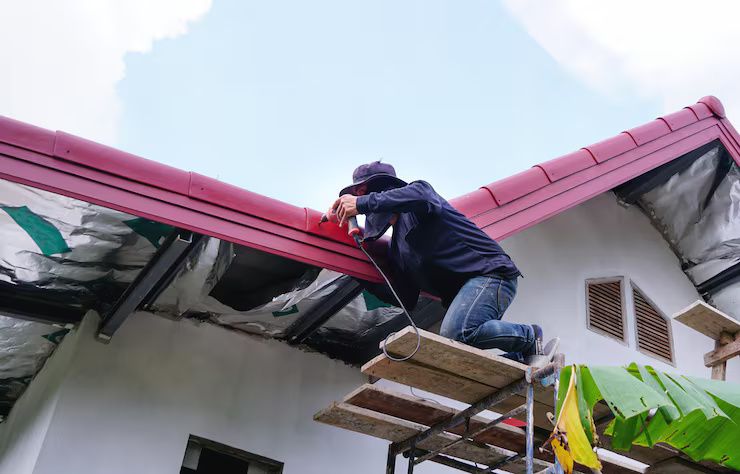
Knowing how to manage a roof leak emergency is valuable for any property owner. Understanding the immediate response, common causes, inspection methods, and preventive maintenance makes it easier to protect both the building and the belongings inside.
Recognizing the Early Warning Signs
Roof leaks rarely appear without warning. In many cases, subtle changes inside or outside the building indicate that moisture has already begun entering the roofing system.
Water stains on ceilings are among the most recognizable indicators. Paint that begins peeling, bubbling drywall, damp insulation, or musty odors may also suggest hidden moisture behind walls or above ceilings.
Outside the property, damaged shingles, cracked flashing, missing roof materials, blocked gutters, or accumulated debris can all increase the likelihood of water entering the structure during rainfall.
Detecting these warning signs early allows problems to be addressed before they spread into larger areas of the building.
Immediate Actions That Help Limit Damage
When water begins entering a building, the first priority is protecting people and minimizing additional property damage.
Moving furniture, electronics, documents, and other valuable belongings away from the affected area reduces the chance of water damage. Containers placed beneath active drips help collect water while preventing damage to flooring.
If ceiling materials begin sagging because of trapped water, caution is necessary. Excessive water accumulation can weaken ceiling materials and increase the risk of partial collapse.
Where it is safe to do so, improving indoor ventilation with fans or opening windows after rainfall has ended can help reduce moisture buildup and support the drying process.
Common Causes Behind Roof Leaks
Roof leaks often develop from gradual deterioration rather than a single event. Understanding their common causes helps property owners recognize potential risks before significant damage occurs.
Frequent causes include:
- Damaged or missing roofing materials
- Cracked or deteriorated flashing around roof openings
- Clogged gutters that prevent proper drainage
- Worn sealants near vents and skylights
- Ice or standing water on low-slope roofs
- Storm-related debris impacts
- Aging roofing membranes
- Poor roof maintenance over time
In some situations, multiple small issues combine to create conditions that eventually allow water to penetrate the roofing system.
Why Water Can Travel Beyond the Visible Leak
The location where water appears inside a building is not always the point where it entered the roof.
Water frequently follows rafters, insulation, roof decking, or structural framing before reaching ceilings or interior walls. As a result, visible stains may develop several feet away from the original roof opening.
This makes careful inspection important because repairing only the visible interior damage without locating the actual entry point may allow future leaks to continue.
Professional inspections often include examining flashing, roof penetrations, valleys, drainage systems, and roof edges where water commonly finds paths into the building envelope.
Weather Conditions That Increase Leak Risks
Roof systems experience continuous exposure to changing environmental conditions throughout the year.
Heavy rainfall can overwhelm damaged drainage areas, while strong winds may loosen roofing materials and expose underlying layers. Repeated heating and cooling cycles also cause roofing materials to expand and contract, gradually creating small openings around joints and penetrations.
Snow accumulation, melting ice, fallen branches, and airborne debris place additional stress on roofing systems, particularly on older roofs that have already experienced years of weather exposure.
Understanding these environmental factors encourages more frequent inspections after severe weather events.
The Importance of Regular Roof Inspections
Routine inspections are among the most effective ways to identify developing problems before they become emergencies.
Exterior inspections typically focus on roofing materials, flashing, drainage paths, vents, skylights, chimneys, and visible signs of deterioration. Interior inspections help identify moisture stains, mold growth, damp insulation, or changes around attic spaces.
Seasonal inspections following heavy storms or periods of severe weather provide additional opportunities to detect damage while repairs remain relatively straightforward.
A consistent inspection schedule supports the long-term performance of the entire roofing system.
Preventive Maintenance Reduces Future Problems
Preventive maintenance helps preserve roof performance throughout its expected service life.
Simple maintenance activities include clearing leaves from gutters, removing accumulated roof debris, trimming nearby tree branches, checking sealants around roof penetrations, and monitoring visible roofing materials for signs of deterioration.
Maintaining adequate attic ventilation also helps reduce moisture buildup that can affect roofing materials from below.
Preventive maintenance cannot eliminate every emergency, but it significantly reduces the likelihood that small defects will develop into widespread water intrusion.
Long-Term Considerations After a Leak
Even after visible water has stopped entering the building, additional evaluation remains important.
Moisture trapped inside insulation, wood framing, or drywall may continue affecting building materials if drying is delayed. Persistent moisture can contribute to structural deterioration and indoor air quality concerns over time.
A thorough assessment helps confirm that damaged materials have dried properly and that the original source of the leak has been fully addressed rather than temporarily contained.
Documenting roof conditions after repairs also provides a useful reference for future maintenance and inspection activities.
Conclusion
A roof leak emergency requires prompt attention because water can spread quickly through roofing materials and structural components. Early recognition, immediate protective measures, careful inspection, and ongoing maintenance all contribute to reducing the impact of unexpected leaks.
Understanding how roof leaks develop and knowing the practical steps that help limit damage allows property owners to respond more effectively while supporting the long-term condition and reliability of their roofing system.

Related Post...

Industrial SCADA Systems Integration: Explore Modern Control Networks
Updated: September 15, 2026
Read More
heavy industrial crane rental companies: Explore Crane Types and Uses
Updated: September 19, 2026
Read More
Supply Chain Management Systems: Explore How Modern Networks Connect
Updated: September 15, 2026
Read More