The concept of industrial machinery developed during the Industrial Revolution, when manual labor began to be supplemented by machines powered by steam and later electricity. Over time, these systems evolved into advanced industrial automation machines that can perform complex operations with precision.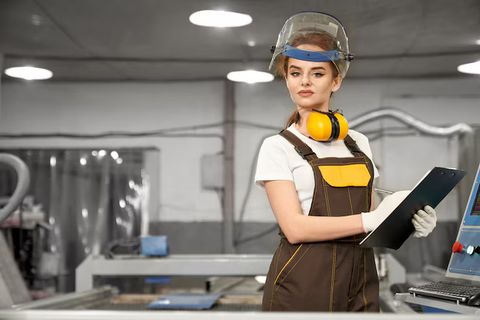
Today, industrial machines include a wide range of equipment, from simple mechanical tools to highly advanced manufacturing machines used in factories. Understanding industrial machinery basics helps explain how industries operate and how products are created and distributed.
Importance
Industrial machines are essential because they support the production of goods used in everyday life. From food processing to vehicle manufacturing, these systems make it possible to produce items efficiently and consistently.
They affect many aspects of society. Workers interact with industrial equipment in factories, while consumers depend on products made using these systems. Businesses rely on heavy machinery to maintain productivity and meet demand.
The uses of industrial machines also help address practical challenges. For example, machines can handle repetitive tasks, reduce physical strain, and improve accuracy. Industrial machine functions such as cutting, shaping, assembling, and packaging contribute to faster and more organized production processes.
Types of Industrial Machines
There are several types of industrial machines, each designed for specific tasks within different industries.
Manufacturing Machines
Manufacturing machines are used to create products by shaping raw materials. Examples include lathes, milling machines, and injection molding systems. These machines are central to industrial machinery basics.
Material Handling Equipment
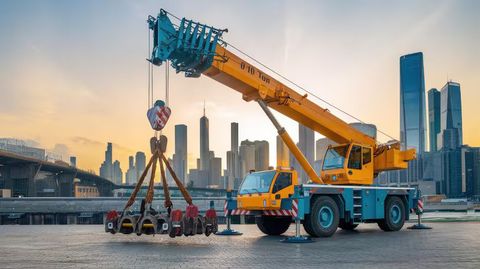
Material handling equipment is used to move and store materials within a facility. Conveyors, forklifts, and cranes are common examples. These machines improve efficiency in transporting goods.
Packaging Machines
Packaging machines prepare products for storage or distribution. They include sealing machines, labeling systems, and wrapping equipment.
Processing Machines
Processing machines are used in industries such as food and chemicals to transform raw materials into finished products. These machines often involve heating, mixing, or refining processes.
Heavy Machinery
Heavy machinery refers to large industrial equipment used in construction and large-scale operations. Examples include excavators, loaders, and bulldozers. These machines handle physically demanding tasks.
Industrial Machine Functions
Industrial machine functions vary depending on the type of equipment and its purpose. However, most machines perform one or more of the following tasks:
- Cutting and shaping materials into desired forms
- Assembling parts into finished products
- Moving materials within a production environment
- Processing raw materials through chemical or physical changes
- Packaging and preparing goods for distribution
These functions allow industries to maintain consistent production and reduce manual effort.
Comparison of Industrial Machine Types
| Machine Type | Primary Function | Common Use Case | Operation Style |
|---|---|---|---|
| Manufacturing Machines | Shaping materials | Product creation | Precision-based |
| Material Handling | Moving goods | Warehousing and logistics | Continuous |
| Packaging Machines | Packing products | Distribution preparation | Automated |
| Processing Machines | Transforming materials | Food and chemical industries | Controlled process |
| Heavy Machinery | Large-scale operations | Construction and excavation | High power |
Recent Updates
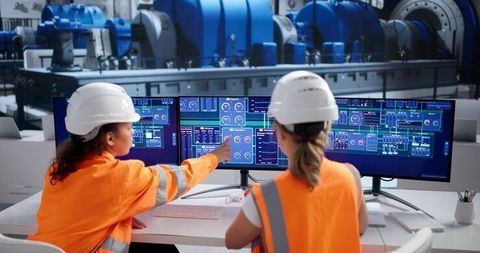
Industrial machines have seen significant advancements in recent years, particularly in automation and digital integration. Industrial automation machines now often include sensors and control systems that allow real-time monitoring and adjustments.
Another important trend is the use of smart technologies. Many modern industrial equipment systems are connected through digital networks, enabling better coordination and efficiency.
Energy efficiency has also become a focus area. New designs aim to reduce power consumption while maintaining performance. Additionally, there is growing interest in environmentally responsible practices, including reduced emissions and improved resource management.
Laws or Policies
Industrial machines are subject to various regulations to ensure safety and environmental responsibility.
Safety Regulations
Machines must meet safety standards to prevent accidents and protect operators. This includes proper guarding, emergency controls, and regular inspections.
Environmental Policies
Industries must follow guidelines related to emissions, waste management, and energy usage. These rules help reduce the environmental impact of industrial activities.
Workplace Standards
Work environments using industrial equipment must comply with occupational safety requirements. Training and proper usage practices are often required to ensure safe operation.
These policies help maintain safe and responsible use of industrial machinery.
Tools and Resources
Several tools and resources support the understanding and operation of industrial machines.
Monitoring Systems
Digital monitoring systems track machine performance, temperature, and efficiency. These systems help identify potential issues early.
Maintenance Schedules
Structured maintenance plans ensure that machines remain in good working condition. Regular checks help extend equipment lifespan.
Simulation Software
Simulation tools allow users to model industrial processes and test machine operations in a virtual environment.
Educational Materials
Guides, manuals, and training programs explain industrial machinery basics and proper handling techniques.
These resources help users understand and manage industrial equipment effectively.
FAQs
What are industrial machines?
Industrial machines are systems used to perform tasks such as manufacturing, processing, and material handling in various industries.
What are the main types of industrial machines?
The main types of industrial machines include manufacturing machines, material handling equipment, packaging machines, processing machines, and heavy machinery.
What are common uses of industrial machines?
The uses of industrial machines include producing goods, transporting materials, processing raw inputs, and packaging finished products.
How do industrial machine functions support production?
Industrial machine functions support production by automating tasks such as cutting, assembling, and moving materials, which improves efficiency and consistency.
What is modern industrial equipment?
Modern industrial equipment refers to machines that use advanced technologies such as automation, sensors, and digital controls to improve performance and monitoring.
Conclusion
Industrial machines are essential tools that support production and manufacturing across various industries. They perform a wide range of functions, from shaping materials to handling logistics. Understanding industrial machinery basics helps explain how goods are produced efficiently and consistently. As technology continues to evolve, modern industrial equipment is becoming more advanced and integrated into digital systems.