Over time, as more students travel to Australia for higher education, the demand for campus housing has increased. This growth has also made accommodation costs an important issue, especially in cities like Sydney, Melbourne, and Brisbane, where living expenses are higher. Students often explore ways to manage their budget while ensuring they live in a comfortable and supportive environment.
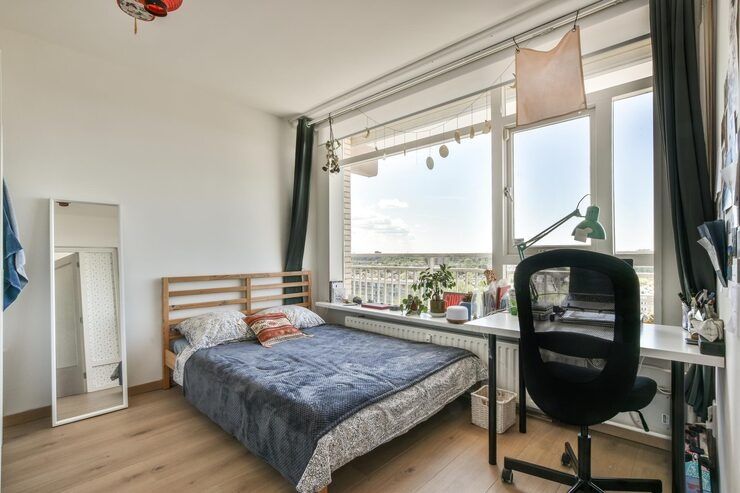
Student dorms come in different forms—residential colleges, purpose-built student accommodation (PBSA), university-managed housing, and shared apartments. Each option has different pricing structures, amenities, and contract terms, making cost management a priority for many students.
Importance
Saving money on student dorms matters today because accommodation is one of the largest expenses for students in Australia. With rising living costs and increasing rental prices, students and their families look for strategies to make housing more affordable.
This topic affects:
-
International students who often pay higher fees and need secure long-term housing
-
Domestic students relocating from regional areas to major cities
-
Parents and guardians assisting with financial planning
-
Universities and housing providers aiming to support student welfare
-
Education consultants and advisors helping students compare accommodation choices
The right approach can solve common challenges:
-
High rental costs during peak intake periods
-
Limited availability of on-campus housing
-
Extra expenses like utilities, meals, and transportation
-
Confusion around contracts, refund rules, and bond policies
-
Long-term financial stress related to student living arrangements
By understanding options and using available resources, students can make informed decisions and manage costs more effectively.
Recent Updates
The past year has witnessed several developments in Australia’s student accommodation landscape:
-
Increase in student arrivals (2024–2025): Australia welcomed more returning and new international students, increasing demand for dorms in major cities.
-
Rental market changes: Cities like Melbourne and Brisbane saw rental prices rise between 10–15% in some student-heavy suburbs (2024 reports).
-
New PBSA developments: Several universities and private companies announced additional student housing to address shortages, including projects at UNSW, University of Melbourne, and RMIT.
-
Flexible contracts introduced (2024): Many dorm providers now offer shorter-term stays, semester-only options, and flexible cancellation terms.
-
Utility-inclusive pricing: More dorms now advertise bundled pricing, reducing uncertainty around monthly expenses.
-
Digital room booking and comparison tools: Platforms launched upgraded features to help students compare accommodation types, locations, and total costs.
These updates aim to improve transparency, affordability, and accessibility for students moving into dorms.
Laws or Policies
Australian student accommodation is influenced by several rules and guidelines meant to protect students and ensure fair treatment.
Key policies include:
-
Residential Tenancies Acts (State-Based):
Each Australian state has its own tenancy laws regulating bonds, agreements, rights, and eviction processes.
Examples include:-
Victoria: Residential Tenancies Act 1997
-
NSW: Residential Tenancies Act 2010
-
Queensland: Residential Tenancies and Rooming Accommodation Act 2008
-
-
International Student Code of Practice:
Institutions must provide safe and appropriate accommodation guidance to international students under the ESOS (Education Services for Overseas Students) Framework. -
Bond and deposit rules:
Bond amounts are regulated and must be lodged with state-run tenancy authorities such as:-
NSW Fair Trading
-
Victorian Residential Tenancies Bond Authority (RTBA)
-
Queensland RTA
-
-
Australian Consumer Law:
Protects students from misleading housing ads or unclear contract terms. -
Council and zoning regulations:
Affect the development of student housing and ensure safety standards in shared buildings.
These policies collectively support transparency, safety, and fair pricing for all students.
Tools and Resources
Students can use multiple resources to compare, book, and manage accommodation costs.
Helpful Websites and Platforms
-
Study Australia Housing Guide – Government-backed information on living options
-
UniLodge, Iglu, Scape – Popular PBSA providers with online cost breakdowns
-
University accommodation portals – Room availability, pricing, and facilities
-
Flatmates.com.au – Shared housing platform
-
Student.com – Global student housing comparison
-
Realestate.com.au & Domain – Listings for private rentals
Budgeting and Planning Tools
-
Study Australia Cost of Living Calculator
-
Numbeo Australia Living Cost Estimates
-
Excel or Google Sheets budgeting templates
-
Student expense tracking apps such as Wallet, YNAB, or Mint
-
Public transport apps: Opal (NSW), Myki (VIC), Go Card (QLD)
These tools help students compare long-term costs and choose the most affordable option based on their study duration, lifestyle, and priorities.
Table: Typical Cost Comparison for Student Housing in Australia (Approx.)
| Accommodation Type | Cost Per Week (AUD) | Includes Utilities | Meal Options | Best For |
|---|---|---|---|---|
| University Dorm | $250–$450 | Often included | Sometimes included | First-year & on-campus living |
| PBSA (Private Dorm) | $300–$550 | Included | No | Students wanting independent living |
| Shared Apartment | $200–$350 | Partially included | No | Budget-conscious students |
| Homestay | $250–$380 | Included | Yes | Younger or first-time international students |
FAQs
1. Are student dorms cheaper than private rentals in Australia?
Dorms can be cheaper when utilities, internet, and campus proximity are considered. However, private shared apartments may cost less in some suburbs, depending on location and demand.
2. What is the best way to secure affordable student housing?
Booking early, comparing multiple platforms, checking university recommendations, and exploring suburbs slightly farther from campus often help reduce accommodation costs.
3. Do dorms in Australia include utilities?
Most purpose-built student accommodation includes electricity, water, and internet in the weekly rate, but it varies by provider.
4. Can international students get financial assistance for dorms?
Some universities offer bursaries, hardship funds, or accommodation grants, depending on eligibility.
5. Are short-term dorm contracts available?
Yes. Many providers now offer flexible stays—semester-only, trimester-based, or month-to-month—especially in major cities.
Final Thoughts
Managing student accommodation costs in Australia is possible with the right strategies, planning tools, and awareness of policies. By comparing housing options early, understanding contract details, and choosing locations that balance convenience and affordability, students can significantly reduce living expenses. With ongoing changes in the student housing market and the introduction of more digital tools, students have better resources than ever to make informed accommodation decisions. A thoughtful approach helps ensure a comfortable living environment while staying within budget throughout the academic journey.