Pool Heater Installation: Complete Guide to Heating Systems, Installation Methods, and Maintenance
Pool heater installation allows swimming pools to maintain comfortable water temperatures throughout different seasons.
A properly installed pool heating system extends the swimming season, improves comfort, and supports consistent water temperature for residential pools, commercial pools, hotels, resorts, fitness centers, and recreational facilities.
Modern pool heating systems use various technologies, including electric heat pumps, gas pool heaters, solar pool heating systems, and hybrid heating solutions. Selecting the right system depends on pool size, local climate, energy efficiency goals, and heating requirements.
This guide explains pool heater installation, available heating systems, installation methods, practical benefits, maintenance tips, and future trends in pool heating technology.
Understanding the Concept
Pool heater installation involves adding a heating system that warms pool water before it returns through the circulation system.
Most pool heaters connect with the pool pump and filtration equipment. As water flows through the heater, it is warmed and circulated back into the pool at the desired temperature.
A well-designed installation improves swimming comfort, enhances energy efficiency, and supports reliable performance throughout the year.
Key Types or Categories
Electric Heat Pumps
Use outdoor air to heat pool water.
Features include:
- High energy efficiency
- Consistent water temperature
- Suitable for moderate climates
- Long operational lifespan
Gas Pool Heaters
Use natural gas or propane to generate heat.
Advantages include:
- Fast water heating
- Suitable for larger pools
- Performs well during cooler weather
- Ideal for occasional heating
Solar Pool Heating Systems
Use solar collectors to capture sunlight and warm circulating pool water.
Benefits include:
- Renewable energy source
- Environmentally friendly operation
- Suitable for sunny climates
- Low operating requirements
Hybrid Pool Heating Systems
Combine two heating technologies for improved efficiency.
Common combinations include:
- Heat pump with gas heater
- Solar heating with heat pump
- Solar heating with gas backup
Hybrid systems provide flexible temperature control throughout the year.
Heating System Components
A complete pool heating system typically includes:
- Pool heater
- Circulation pump
- Pool filter
- Control panel
- Temperature sensor
- Water valves
- PVC plumbing connections
- Electrical connections
- Safety shut-off devices
Each component contributes to efficient water circulation and temperature control.
Installation Methods
Site Assessment
Evaluate important factors including:
- Pool size
- Equipment location
- Available space
- Electrical supply
- Gas connection (if required)
- Sun exposure for solar systems
Proper planning improves installation efficiency.
Equipment Selection
Choose a heating system based on:
- Pool volume
- Local climate
- Frequency of pool use
- Heating performance
- Energy efficiency
Selecting the correct heater size supports consistent water temperature.
Plumbing Installation
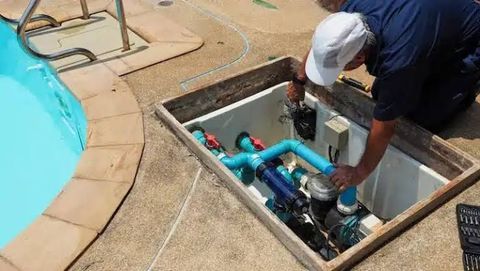
Connect the heater to the existing pool circulation system.
Installation generally includes:
- Water inlet connection
- Water outlet connection
- Shut-off valves
- Bypass valve
- PVC piping
Proper plumbing ensures smooth water flow.
Electrical or Gas Connection
Depending on the heater type:
- Electric heat pumps require dedicated electrical circuits.
- Gas heaters require approved gas supply connections.
- Solar systems connect through pool plumbing and solar collectors.
All connections should follow applicable safety standards.
System Testing
After installation, verify:
- Water circulation
- Temperature settings
- Leak-free plumbing
- Proper heater operation
- Safety controls
- Control panel functions
Testing confirms reliable performance before regular operation.
Practical Benefits
Pool heater installation provides numerous advantages.
- Extends the swimming season
- Maintains comfortable water temperatures
- Improves swimming comfort
- Supports year-round pool enjoyment
- Increases pool usability
- Enhances residential and commercial properties
- Provides consistent temperature control
- Improves energy-efficient heating with modern systems
- Supports recreational and fitness activities
Real-World Applications
Residential Pools
Homeowners install pool heaters for:
- Family recreation
- Weekend swimming
- Outdoor entertainment
- Seasonal comfort
Hotels and Resorts
Hospitality facilities use heated pools to improve guest experiences throughout the year.
Fitness Centers
Swimming pools used for exercise and therapy require stable water temperatures for member comfort.
Community Recreation Centers
Public swimming facilities use heating systems to maintain consistent conditions for visitors and organized activities.
Therapy Pools
Warm water supports rehabilitation, therapeutic exercise, and wellness programs.
Future Trends in Pool Heating Technology
Modern pool heating systems continue evolving with improved efficiency.
Smart Pool Controls
Digital control systems allow users to:
- Monitor temperature remotely
- Schedule heating cycles
- Track energy usage
- Adjust settings using mobile applications
High-Efficiency Heat Pumps
New heat pump technology provides improved performance while reducing energy consumption.
Solar Heating Integration
Solar heating systems continue gaining popularity as environmentally responsible heating solutions.
Variable-Speed Pool Equipment
Modern circulation pumps automatically adjust water flow, improving heating efficiency and reducing electricity consumption.
Intelligent Automation
Artificial intelligence and smart sensors help optimize pool heating based on weather conditions, usage patterns, and desired temperatures.
Maintenance Tips
- Clean pool filters regularly.
- Inspect plumbing connections for leaks.
- Monitor water temperature settings.
- Remove debris around outdoor heating equipment.
- Check electrical and gas connections periodically.
- Clean solar collectors when applicable.
- Inspect circulation pumps for proper operation.
- Schedule routine equipment inspections.
- Keep ventilation areas clear around gas heaters.
- Replace worn components when necessary.
Frequently Asked Questions
What is the best pool heating system?
The best option depends on pool size, climate, energy efficiency goals, and how frequently the pool is used. Heat pumps, gas heaters, and solar heating systems each have different advantages.
How long does pool heater installation take?
Most installations can be completed within one day, although larger or more complex projects may require additional time.
Can pool heaters work during winter?
Yes. Many gas heaters and properly sized heat pumps operate effectively during cooler weather, depending on local climate conditions.
Do pool heaters require regular maintenance?
Yes. Routine inspections, filter cleaning, plumbing checks, and equipment maintenance help improve performance and extend system lifespan.
Can an existing pool have a heater installed?
Yes. Most existing pools can be upgraded with a compatible pool heating system after evaluating the plumbing, electrical supply, and available installation space.
Conclusion
Pool heater installation is an effective way to improve swimming comfort and extend pool usability throughout the year. Modern heating systems, including electric heat pumps, gas pool heaters, solar heating systems, and hybrid solutions, provide reliable temperature control for residential and commercial pools.
Proper equipment selection, professional installation, regular maintenance, and efficient system operation contribute to long-term performance. As smart controls, energy-efficient technology, and sustainable heating solutions continue advancing, pool heating systems will remain an important part of modern pool design and outdoor living.

Related Post...
Pool Heater Installation: Complete Guide to Heating Systems, Installation Methods, and Maintenance
Updated: October 21, 2026
Read More
Monocrystalline Solar Modules Overview: Technology, Uses and Future Trends
Updated: October 26, 2026
Read More