Plastic Processing Machinery Guide: Understanding Processes, Tools and Equipment
Plastic processing machinery plays an important role in converting polymer materials into useful products and components.
From packaging and containers to automotive parts, pipes, medical products, and household items, different machines are designed for specific plastic processing methods.
Understanding plastic processing machinery helps readers recognize how materials are prepared, shaped, cooled, tested, and finished. The right combination of equipment, process controls, and material knowledge can influence product consistency, energy use, production efficiency, and waste management.
Context
Plastic processing is the collection of industrial methods used to transform polymer materials into specific shapes and products. Common materials include polyethylene (PE), polypropylene (PP), polystyrene (PS), polyvinyl chloride (PVC), polyethylene terephthalate (PET), and acrylonitrile butadiene styrene (ABS).
The processing method depends on the material properties, product design, required dimensions, and intended application. Some plastics are melted and shaped, while others may be formed using heat, pressure, or chemical processes.
Common plastic processing methods include:
| Process | Basic Function | Typical Applications |
|---|---|---|
| Injection molding | Forces molten plastic into a mold | Containers, components, housings |
| Extrusion | Pushes melted material through a die | Pipes, sheets, films, profiles |
| Blow molding | Forms hollow products using air pressure | Bottles, tanks, containers |
| Thermoforming | Shapes heated plastic sheets | Trays, packaging, panels |
| Rotational molding | Forms products inside a rotating heated mold | Tanks, bins, large hollow products |
| Compression molding | Shapes material using heat and pressure | Automotive and electrical components |
A typical plastic processing line can include material handling, drying, heating, melting, shaping, cooling, cutting, inspection, and packaging stages.
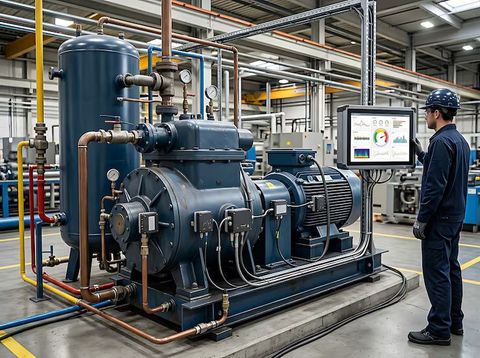
Modern systems often use sensors and computerized controls to monitor temperature, pressure, speed, material flow, and other operating conditions.
Importance
Plastic processing machinery affects manufacturers, engineers, technicians, product designers, recyclers, and industries that depend on polymer components. Understanding the equipment makes it easier to identify how different materials behave during processing.
Process control is particularly important because excessive temperature, pressure, or residence time can affect polymer properties. Moisture can also be a concern for certain materials. For example, hygroscopic plastics may require controlled drying before processing.
Important factors include:
- Polymer type and grade
- Melting and processing temperature
- Mold or die design
- Machine capacity
- Cooling requirements
- Material moisture
- Cycle or extrusion speed
- Product dimensions
- Recycled material content
- Energy consumption
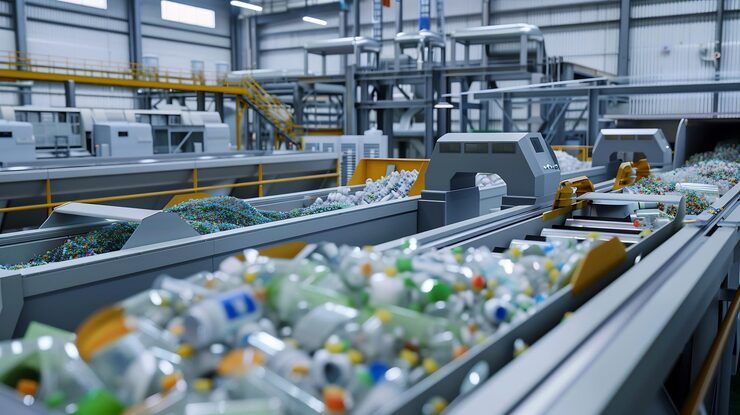
Plastic processing machinery also has an important relationship with recycling. Mechanical recycling generally involves sorting, cleaning, shredding, and melting plastic materials before they are processed into new products. The U.S. Environmental Protection Agency identifies mechanical recycling as the predominant plastic recycling method while also documenting developments in chemical and thermal processing.
Efficient processing can also help reduce material losses and improve consistency. However, machinery alone does not determine environmental performance. Material selection, product design, waste collection, recycling infrastructure, and operating practices all influence the overall impact.
Recent Updates
Plastic processing is increasingly influenced by automation, energy efficiency, recycled polymers, digital monitoring, and circular-economy principles.
One major development is the wider use of sensors and computerized controls. Modern equipment can monitor process conditions continuously and provide data that can help identify temperature variations, pressure changes, material-flow problems, or equipment abnormalities.
Another important area is recycled-content processing. Machinery manufacturers and processors are adapting systems to handle recycled polymers with greater variation in material properties. Consistent sorting and material preparation remain important because contamination and mixed polymer streams can affect processing performance.
Advanced recycling technologies are also receiving attention. These methods can use chemical or thermal processes to break polymer structures into feedstocks for further processing. They are being considered as a complement to mechanical recycling, particularly for some materials that are difficult to process mechanically.
Packaging regulations are also influencing equipment and process development. In the European Union, the Packaging and Packaging Waste Regulation entered into force in 2025, with its rules beginning to apply in phases from August 12, 2026. Requirements include measures related to recyclability and recycled plastic content, with several major requirements applying from 2030.
In the United States, the EPA's National Strategy to Prevent Plastic Pollution focuses on reducing plastic pollution across the material lifecycle, including production, product design, waste generation, waste management, and environmental leakage.
These developments are encouraging greater attention to equipment efficiency, material traceability, recycling compatibility, and process data.
Laws or Policies
Plastic processing machinery is subject to different legal requirements depending on the country, industry, material, and application. Regulations can cover workplace safety, emissions, waste handling, packaging, food-contact materials, electrical systems, and environmental protection.
In India, the Plastic Waste Management Rules, 2016 and subsequent amendments provide a regulatory framework for plastic waste management. The Central Pollution Control Board notes that amendments have established measures related to Extended Producer Responsibility and restrictions on identified single-use plastic items.
India's framework also includes requirements concerning plastic packaging waste and recycled content. CPCB documentation provides examples of Extended Producer Responsibility targets and recycled-plastic-content requirements for particular packaging categories.
In the European Union, the Packaging and Packaging Waste Regulation establishes requirements intended to improve packaging recyclability, increase recycled plastic use, encourage reuse, and reduce unnecessary packaging. The regulation applies across packaging and packaging waste, with implementation occurring in stages.
In the United States, plastic-processing facilities can be affected by federal, state, and local environmental and workplace requirements. The EPA's plastic-pollution strategy addresses pollution prevention and improved management throughout the plastics lifecycle.
Businesses and technical teams should consult the applicable national and local authorities before determining compliance requirements for a particular machine or processing facility.
Tools and Resources
Several technical resources can help people understand plastic processing machinery and related regulations.
Useful resources include:
- Polymer technical data sheets for material properties and processing ranges
- Machine manuals for operating and maintenance information
- Mold and die design references
- Material drying and moisture-control guides
- Energy-monitoring tools for evaluating equipment performance
- Recycling and material-identification references
- Government environmental databases and regulatory guidance
- Process calculators for estimating throughput, cooling requirements, or material consumption
The U.S. EPA maintains extensive resources covering plastics, recycling, circular-economy practices, and advanced recycling technologies. Its Recycling Infrastructure and Market Opportunities Map provides information about recycling infrastructure and post-consumer material management in the United States.
For India, the Central Pollution Control Board provides documents concerning plastic waste management, assessment procedures, Extended Producer Responsibility, and related regulatory requirements.
Technical standards organizations and national regulators can also provide specifications for particular applications. When machinery is used for food, medical, electrical, automotive, or other regulated products, additional standards may apply.
FAQs
What is plastic processing machinery?
Plastic processing machinery refers to equipment used to transform polymer materials into finished or semi-finished products. Examples include injection molding machines, extruders, blow molding equipment, thermoforming machines, and rotational molding systems.
What are the main plastic processing methods?
The main methods include injection molding, extrusion, blow molding, thermoforming, compression molding, and rotational molding. The appropriate method depends on the polymer, product shape, dimensions, and performance requirements.
Why is temperature control important in plastic processing?
Temperature affects melting, material flow, cooling, and product quality. Incorrect temperatures can contribute to degradation, incomplete filling, dimensional variation, or other processing problems.
Can plastic processing machinery handle recycled materials?
Many processing systems can handle recycled polymers, but performance depends on material quality, contamination, moisture, polymer type, and the proportion of recycled content. Proper material preparation and process control are important.
Are plastic processing machines affected by environmental regulations?
Yes. Requirements can apply to waste management, emissions, energy use, packaging, recycled content, workplace safety, and other areas. The exact rules depend on the location and application.
Conclusion
Plastic processing machinery covers a wide range of equipment and technologies used to transform polymers into useful products. Injection molding, extrusion, blow molding, thermoforming, and other processes each have different operating principles and applications.
Recent developments are placing greater emphasis on automation, energy efficiency, recycled materials, process monitoring, and circular-economy practices. At the same time, environmental regulations are increasingly influencing how plastic products are designed, processed, and managed after use.
Understanding the relationship between materials, machinery, processing conditions, and regulations provides a useful foundation for anyone studying the plastics industry.
As technologies and policies continue to develop, technical documentation and official regulatory sources remain important references for accurate and current information.

Related Post...
Confectionery Equipment Guide: Explore Types, Uses, Processes, and Modern Technology
Updated: September 22, 2026
Read More
Pharmaceutical Machinery Guide to Production Equipment, Systems and Processes
Updated: September 21, 2026
Read More
EPS Recycling Machine Guide and Overview: Learn How Foam Waste Is Processed and Recovered
Updated: September 18, 2026
Read More