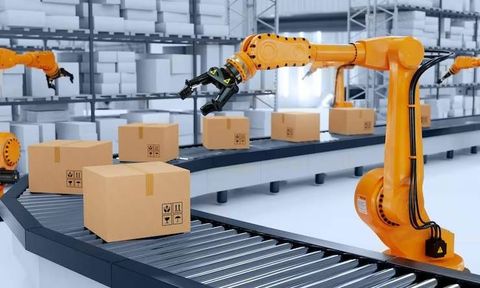
Plastic machinery plays a key role in shaping raw materials into usable forms. Over time, plastic manufacturing technology has advanced to include more precise, efficient, and automated systems. These developments are part of a broader effort to improve production quality while reducing waste.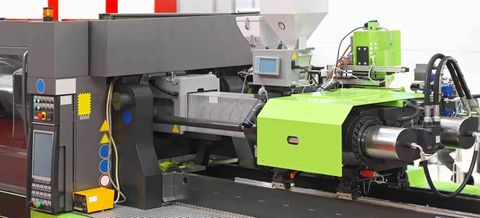
Understanding plastic innovation involves exploring how plastic processing machines work, how materials are transformed, and how technology supports these processes. This helps explain why plastics remain widely used in modern industries.
Importance
Plastic innovation is important because it directly affects everyday products and industrial systems. Many items used daily, such as containers, tools, and electronic components, are produced using plastic machinery.
The role of plastic manufacturing technology extends across different sectors:
- Packaging industry: supports food storage, transportation, and protection
- Healthcare sector: contributes to medical equipment and disposable supplies
- Automotive industry: reduces weight and improves efficiency
- Construction field: provides durable materials for infrastructure
Plastic automation systems also help streamline production. By reducing manual intervention, these systems improve consistency and efficiency in the plastic production process.
At the same time, plastic innovation addresses challenges such as waste management and material efficiency. Plastic recycling technology is becoming increasingly important in managing environmental impact.
Types of Plastic Machines
Different types of plastic machines are used depending on the production method and product requirements.
Injection Molding Machines
Injection molding machines are widely used in plastic molding technology. They melt plastic material and inject it into molds to create specific shapes.
- Suitable for mass production
- Produces detailed and consistent products
- Common in consumer goods manufacturing
Extrusion Machines
Extrusion machines push melted plastic through a die to create continuous shapes.
- Used for pipes, sheets, and films
- Operate continuously
- Important in large-scale plastic production
Blow Molding Machines
These machines create hollow plastic objects by inflating melted plastic inside a mold.
- Used for bottles and containers
- Common in packaging industries
Thermoforming Machines
Thermoforming machines heat plastic sheets and shape them using molds.
- Used for trays and packaging materials
- Suitable for lightweight products
Rotational Molding Machines
These machines rotate molds to evenly distribute plastic material.
- Used for large hollow products
- Provides uniform thickness
Plastic Production Process
The plastic production process involves multiple steps, each supported by specific machinery and technology.
Material Preparation
Raw plastic materials, often in the form of pellets, are prepared and sometimes mixed with additives. This step ensures the desired properties of the final product.
Heating and Melting
Plastic processing machines heat the material until it becomes soft and moldable. Temperature control is critical to maintain consistency.
Shaping and Forming
The melted material is shaped using molds or dies, depending on the type of plastic machine being used. This stage defines the product’s structure.
Cooling and Finishing
After shaping, the plastic is cooled to solidify its form. Additional steps may include trimming or surface finishing.
Comparison of Plastic Machinery Types
| Machine Type | Process Method | Common Output | Operation Style |
|---|---|---|---|
| Injection Molding | Mold injection | Solid detailed parts | Batch production |
| Extrusion | Continuous shaping | Pipes, sheets | Continuous |
| Blow Molding | Air expansion | Bottles, containers | Semi-continuous |
| Thermoforming | Heat and mold | Packaging trays | Batch |
| Rotational Molding | Rotational shaping | Large hollow items | Cyclical |
Recent Updates
Plastic innovation has recently focused on sustainability and efficiency. Plastic recycling technology is advancing to handle more complex materials and improve reuse rates.
Automation is another key trend. Plastic automation systems now include sensors and digital controls that monitor production in real time. These systems help reduce errors and improve consistency.
There is also growing interest in alternative materials and biodegradable plastics. While traditional plastics remain widely used, research continues into materials that reduce environmental impact.
Laws or Policies
Plastic manufacturing and usage are influenced by various regulations aimed at safety and environmental protection, especially in countries like India.
Environmental Regulations
- Restrictions on certain single-use plastic products
- Guidelines for waste management and recycling
- Emphasis on reducing plastic pollution
Industrial Standards
- Machinery must meet safety and operational standards
- Factories are required to follow emission and waste control norms
Recycling Policies
- Encouragement of plastic recycling technology
- Implementation of structured waste collection systems
These policies aim to balance industrial growth with environmental responsibility.
Tools and Resources
Several tools and resources help in understanding and managing plastic manufacturing technology.
Design Software
- Computer-aided design tools for creating molds and product designs
- Simulation tools to test plastic molding technology processes
Monitoring Systems
- Sensors for tracking temperature and pressure
- Digital dashboards for performance analysis
Recycling Systems
- Equipment designed for sorting and processing plastic waste
- Systems for converting used plastics into reusable materials
Educational Materials
- Guides explaining plastic production process
- Technical documents on types of plastic machines
These resources support both learning and practical application of plastic innovation.
FAQs
What is plastic innovation in simple terms?
Plastic innovation refers to the development of new materials, machinery, and processes used in plastic manufacturing technology to improve efficiency and usability.
What are the main types of plastic machines?
The main types of plastic machines include injection molding, extrusion, blow molding, thermoforming, and rotational molding machines.
How does the plastic production process work?
The plastic production process involves material preparation, heating, shaping, and cooling to create finished products.
What are common plastic machinery applications?
Plastic machinery is used in packaging, automotive parts, construction materials, and household products.
How does plastic recycling technology support sustainability?
Plastic recycling technology helps process used plastics into reusable materials, reducing waste and supporting efficient resource use.
Conclusion
Plastic innovation plays a significant role in modern manufacturing by combining advanced machinery and evolving technologies. Different types of plastic machines support a wide range of applications, from small products to large industrial components. Understanding the plastic production process helps explain how materials are shaped and used in daily life. As technology continues to develop, plastic manufacturing is becoming more efficient and aligned with environmental considerations.