Physical Therapy Guide: Rehabilitation Exercises, Mobility Training, and Recovery
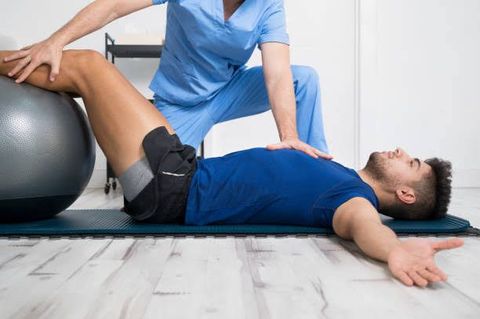
Physical therapy is a healthcare discipline focused on improving movement, strength, balance, flexibility, and physical function. It may be used after an injury, surgery, illness, or when a condition affects normal movement.
A rehabilitation program is individualized based on the person's condition, functional goals, physical abilities, and clinical assessment.
Understanding Physical Therapy
Physical therapists may evaluate:
Strength
Flexibility
Balance
Joint movement
Walking patterns
Muscle coordination
Physical function
Pain-related movement limitations
Based on the assessment, a therapist can develop an appropriate rehabilitation plan.
Common Rehabilitation Exercises
Physical therapy programs may include different types of exercises.
| Exercise Type | General Purpose |
| Range-of-Motion Exercises | Support joint mobility |
| Strengthening Exercises | Improve muscle capacity |
| Balance Exercises | Improve stability |
| Stretching | Support flexibility |
| Walking Exercises | Improve functional mobility |
| Coordination Exercises | Improve controlled movement |
The appropriate exercises depend on the individual's condition and rehabilitation stage.
Mobility Training
Mobility training focuses on helping people move safely and effectively.
It may involve:
Joint mobility exercises
Walking practice
Transfer training
Balance activities
Flexibility exercises
Movement-pattern training
Mobility work can be particularly relevant after surgery, injury, or periods of reduced physical activity.
Strength and Conditioning
Strengthening exercises may use:
Bodyweight movements
Resistance bands
Light weights
Exercise machines
Therapeutic equipment
The intensity and progression should be appropriate for the person's condition. Increasing exercise difficulty too quickly may interfere with recovery.
Physical Therapy After Surgery
Rehabilitation is commonly incorporated into recovery following certain orthopedic and other procedures.
A program may focus on:
Restoring movement
Reducing functional limitations
Rebuilding strength
Improving balance
Returning to everyday activities
Progressing toward activity-specific goals
The timing and exercises vary according to the procedure and medical recommendations.
Sports Rehabilitation
Athletes may use physical therapy to support recovery from:
Muscle strains
Ligament injuries
Joint injuries
Tendon problems
Fractures
Sports-related overuse conditions
Rehabilitation can gradually progress from basic movement to activity-specific exercises.
Recovery Planning
A structured recovery plan may include:
Initial physical assessment.
Establishment of appropriate goals.
Selection of suitable exercises.
Gradual progression of activity.
Monitoring of movement and functional changes.
Periodic reassessment.
Consistency and appropriate progression are important parts of many rehabilitation programs.
Safety Considerations
People participating in rehabilitation should follow instructions from their healthcare team.
It may be appropriate to stop an exercise and seek professional guidance when there is:
Significant or unexpected pain
New swelling
Sudden weakness
Loss of balance
New numbness or tingling
A noticeable worsening of symptoms
Exercises should be adapted when necessary based on professional assessment.
Frequently Asked Questions
What is physical therapy?
Physical therapy is a healthcare discipline that uses assessment, movement exercises, and other rehabilitation techniques to improve physical function and mobility.
What exercises are used in physical therapy?
Programs can include stretching, range-of-motion movements, strengthening, balance exercises, walking practice, and coordination activities.
How long does physical therapy take?
The duration varies according to the condition, treatment goals, recovery progress, and individual circumstances. Some programs last several weeks, while others require longer-term rehabilitation.
Can physical therapy help after surgery?
Physical therapy is commonly used after many types of surgery to support mobility, strength, and functional recovery when recommended by the treating healthcare team.
Is physical therapy only for injuries?
No. Physical therapy can also be used for recovery after surgery, chronic movement problems, neurological conditions, balance difficulties, and other conditions affecting physical function.
Conclusion
Physical therapy combines assessment, targeted exercises, mobility training, strengthening, and functional rehabilitation to support recovery and improve physical movement. Programs are typically individualized according to the person's condition and progress.
Following an appropriately designed rehabilitation program and maintaining communication with the healthcare team can help support safe and gradual recovery.
Disclaimer
This article is provided for general educational and informational purposes only and does not constitute medical advice, diagnosis, or treatment. Exercise and rehabilitation requirements vary between individuals and medical conditions. Readers should consult a qualified physical therapist, physician, or other healthcare professional for personalized assessment, exercise recommendations, and recovery guidance.

Related Post...