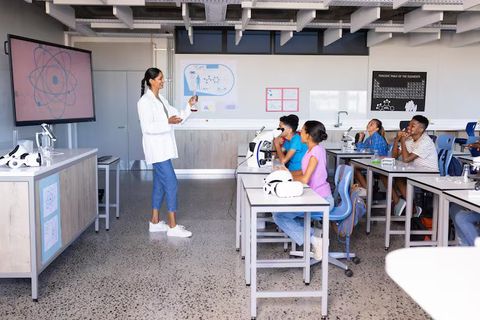
Online Learning vs Traditional Learning Explore Key Education Differences
Education has evolved significantly in recent years, giving learners more choices than ever before. While traditional classroom learning has long been the standard approach to education, online learning has emerged as a widely adopted alternative that offers flexibility and accessibility. As technology continues to influence how people learn, many students, professionals, and parents are exploring the differences between these two educational models.
The rise of digital platforms, virtual classrooms, and remote learning tools has expanded access to educational opportunities across different regions and age groups. At the same time, traditional learning environments continue to provide structured experiences that many learners find valuable for academic and personal development.
Understanding the strengths, limitations, and practical applications of both online learning and traditional learning can help individuals make informed decisions based on their goals, learning preferences, and circumstances. Rather than viewing one method as universally better than the other, it is often more useful to understand how each approach serves different educational needs.
Understanding Online Learning
Online learning refers to educational experiences delivered through digital platforms and internet-based technologies. Students access lessons, assignments, discussions, and assessments using computers, tablets, or mobile devices.
This learning model can take many forms, including live virtual classes, self-paced courses, recorded lectures, and interactive learning platforms. Online education is used by schools, universities, professional training providers, and organizations that support lifelong learning.
One of the defining characteristics of online learning is its ability to provide access to educational content regardless of physical location.
Understanding Traditional Learning
Traditional learning typically takes place in a physical classroom where students and instructors interact face-to-face. Schools, colleges, universities, and training centers have relied on this model for generations.
In a traditional learning environment, students follow structured schedules, attend classes at designated locations, and participate in direct classroom activities. Teachers often provide immediate guidance, while students engage in discussions, group work, and hands-on learning experiences.
This model remains an important part of education systems around the world because it supports both academic learning and social development.
Flexibility and Accessibility
One of the most noticeable differences between online learning and traditional learning is flexibility.
Online learning allows students to access educational materials from various locations. Many programs offer flexible schedules, making it easier for learners to balance education with work, family responsibilities, or other commitments.
Traditional learning, by contrast, usually follows fixed schedules and requires physical attendance. While this structure can create consistency and routine, it may be less adaptable for individuals with complex schedules.
For learners who value convenience and location independence, online learning often provides greater flexibility.
Learning Environment and Student Experience
The learning environment plays an important role in educational success.
Traditional classrooms provide a dedicated academic setting where students can interact directly with instructors and peers. Face-to-face communication often supports immediate feedback, classroom discussions, and collaborative activities.
Online learning environments rely heavily on digital communication tools. Discussion forums, video conferencing platforms, and messaging systems help facilitate interaction, but the experience differs from in-person engagement.
Some learners thrive in independent learning environments, while others benefit from the structure and social interaction commonly associated with traditional classrooms.
Interaction and Communication
Communication is an important aspect of both educational models, but the methods differ significantly.
In traditional settings, students can ask questions in real time, participate in classroom discussions, and engage directly with instructors and classmates throughout the day.
Online learning often uses a combination of live sessions and asynchronous communication methods. Students may interact through discussion boards, virtual meetings, email, or collaborative platforms.
Both approaches can support effective communication, but learner preferences often influence which environment feels more engaging and productive.
Technology's Role in Modern Education
Technology has become increasingly important in both online and traditional learning environments.
Online education depends heavily on digital tools to deliver content, manage assignments, and support communication. Learning management systems, virtual classrooms, and educational applications form the foundation of many online programs.
Traditional institutions also integrate technology into classroom instruction. Digital resources, interactive presentations, and online research tools are now common components of face-to-face education.
As a result, the distinction between online and traditional learning is becoming less rigid as both models adopt technological innovations.
Skills Developed Through Different Learning Models
Educational experiences influence more than academic knowledge. They also contribute to the development of practical and interpersonal skills.
Online learning often encourages:
- Self-discipline
- Time management
- Independent learning
- Digital literacy
- Personal accountability
Traditional learning frequently supports:
- Face-to-face communication
- Team collaboration
- Classroom participation
- Interpersonal relationship building
- Structured learning habits
The value of these skills depends on individual goals, career aspirations, and personal learning preferences.
Challenges Associated With Online Learning
Despite its advantages, online learning presents several challenges that learners should understand.
Maintaining motivation can be difficult without the structure of a physical classroom. Some students may struggle with distractions in home environments or find it challenging to remain engaged during self-paced learning activities.
Technology requirements can also affect the learning experience. Reliable internet access and appropriate devices are often necessary for successful participation.
Additionally, learners who prefer direct social interaction may find virtual environments less engaging than traditional classroom settings.
Challenges Associated With Traditional Learning
Traditional learning also has limitations.
Fixed schedules may create difficulties for individuals balancing education with work or personal responsibilities. Commuting requirements can increase time commitments, and access to educational institutions may be limited in certain locations.
Some learners may also prefer the flexibility and customization available through digital learning platforms.
While traditional education offers many strengths, it may not always align with the needs of every learner.
Is One Learning Method Better Than the Other?
The answer depends largely on the learner.
Online learning may be well suited for individuals who value flexibility, independent study, and digital accessibility. Traditional learning may be more appropriate for those who benefit from structured environments, direct interaction, and classroom-based experiences.
Many educational institutions now combine elements of both approaches through blended learning models. These programs integrate online resources with face-to-face instruction, allowing learners to benefit from the strengths of each method.
Rather than focusing on which option is universally superior, it is often more useful to consider which learning environment best supports individual goals and circumstances.
The Future of Education
The future of education is likely to involve greater integration between digital technologies and traditional teaching methods.
Educational institutions continue to explore innovative ways to enhance learning experiences, improve accessibility, and support diverse learner needs. Advances in artificial intelligence, personalized learning systems, and interactive educational technologies may further transform how education is delivered.
As these developments continue, learners can expect greater flexibility and more options for accessing knowledge and developing new skills throughout their lives.
Conclusion
Online learning and traditional learning each offer distinct advantages and challenges. Online education provides flexibility, accessibility, and opportunities for independent learning, while traditional classrooms support direct interaction, structured environments, and collaborative experiences.
Neither approach is inherently better for every learner. The most effective choice depends on individual goals, learning styles, schedules, and educational priorities. By understanding the key differences between these models, learners can make informed decisions that support their personal and professional development in an evolving educational landscape.

Related Post...

Career Development in the United States Explore Growth Opportunities
Updated: June 09, 2026
Read More