The purpose of oil filtration systems is simple: keep lubricating and hydraulic oils clean so equipment can operate smoothly and predictably. In many industrial environments, oil circulates continuously through pumps, valves, bearings, and gear assemblies. Without filtration, contaminants travel with the oil and gradually damage internal components.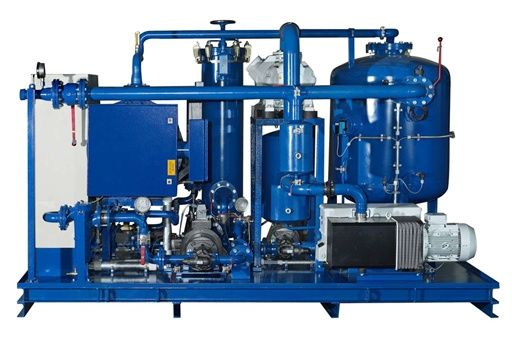
Industrial oil filtration exists because modern machinery depends on clean fluids for cooling, lubrication, and power transmission. As production systems became more complex and uptime expectations increased, filtration evolved from a basic maintenance step into a structured process known as oil contamination control. Today, filtration is integrated directly into equipment designs and plant-wide fluid management strategies.
Importance: Why Cleaner Oil Matters for Performance and Reliability
Oil filtration systems play a critical role in protecting equipment and maintaining operational stability. They affect maintenance teams, reliability engineers, plant operators, and asset managers across manufacturing, energy, construction, marine, and processing industries.
Key reasons oil filtration systems are important include:
-
Extended equipment life: Clean oil reduces wear on bearings, gears, and hydraulic components.
-
Stable performance: Proper hydraulic oil filtration supports consistent pressure and flow.
-
Reduced unplanned downtime: Contaminant removal lowers the risk of sudden component failure.
-
Improved energy efficiency: Cleaner lubricants reduce internal friction.
-
Predictable maintenance planning: Filtration supports condition-based monitoring rather than reactive repairs.
In systems using circulating lubricants, lubricant filtration systems help preserve oil quality over longer operating periods. This is especially important in environments where machinery runs continuously or handles heavy loads. Across industries, industrial oil filtration supports reliability by preventing contamination from becoming a root cause of breakdowns.
Recent Updates: Developments in Oil Filtration Technology
Recent developments in oil filtration systems focus on precision, monitoring, and integration with automated maintenance programs. Rather than relying solely on periodic oil changes, many facilities now emphasize continuous filtration and real-time condition awareness.
Common trends observed in recent periods include:
-
Finer filtration media: Advanced filter elements capture smaller particles without restricting flow.
-
Moisture removal integration: Modern systems increasingly address both solid and water contamination.
-
Inline monitoring sensors: Differential pressure and particle counters provide live feedback on filter performance.
-
Offline filtration loops: Separate circulation units allow oil cleaning while equipment remains operational.
-
Data-supported maintenance: Filtration performance data is now linked to broader reliability dashboards.
These developments strengthen oil contamination control programs by making filtration proactive rather than reactive, helping organizations maintain cleaner oil throughout operating cycles.
Laws or Policies: Regulatory Influences on Oil Filtration Practices
Oil filtration systems operate within regulatory frameworks related to workplace safety, environmental protection, and industrial equipment standards. While requirements differ by region, several common policy areas influence how filtration systems are designed and maintained.
Typical regulatory considerations include:
-
Industrial safety guidelines: Rules covering pressurized systems, rotating machinery, and fluid handling.
-
Environmental protection standards: Expectations around spill prevention and waste oil management.
-
Equipment compliance frameworks: Technical standards that define acceptable operating conditions for hydraulic and lubrication systems.
-
Sustainability programs: National initiatives encouraging efficient resource use and reduced fluid waste.
These policies indirectly shape how hydraulic oil filtration and lubricant filtration systems are implemented, encouraging cleaner operation and responsible fluid management.
Tools and Resources: References Used to Understand Oil Filtration Performance
Several analytical tools and reference materials support the evaluation and operation of oil filtration systems. These resources help teams understand contamination levels, filtration efficiency, and fluid condition.
Commonly used tools and references include:
-
Particle count charts: Used to classify oil cleanliness levels.
-
Filter efficiency ratings: Technical data showing capture performance at different micron sizes.
-
Oil analysis reports: Laboratory summaries of wear metals, moisture, and oxidation indicators.
-
System flow calculators: Tools for estimating circulation rates and filter sizing.
-
Maintenance tracking frameworks: References for scheduling inspections and element replacements.
Together, these resources help organizations align industrial oil filtration with broader reliability strategies.
Common Types of Oil Filtration Systems Used in Industry
Oil filtration systems are configured differently depending on equipment design, oil volume, and contamination risk.
| Filtration Type | Typical Application | Key Characteristic |
|---|---|---|
| Inline filtration | Hydraulic circuits | Continuous contaminant removal |
| Offline filtration | Large reservoirs | Independent cleaning loop |
| Magnetic filtration | Gear systems | Captures ferrous particles |
| Centrifugal filtration | High-flow applications | Uses rotational force |
| Vacuum dehydration | Moisture-prone systems | Removes dissolved water |
Each approach supports a specific aspect of oil contamination control, and many facilities use multiple methods together.
Key Contaminants and Their Impact on Oil Systems
Understanding what enters oil systems helps explain why filtration is essential.
| Contaminant Type | Common Source | Potential Impact |
|---|---|---|
| Solid particles | Wear debris, dust | Accelerated component wear |
| Water | Condensation, leaks | Corrosion and lubricant breakdown |
| Oxidation by-products | Heat exposure | Sludge formation |
| Air entrainment | Turbulence | Reduced lubrication efficiency |
Effective oil filtration systems target these contaminants to maintain stable operating conditions.
How Oil Filtration Systems Work: A Simple Explanation
Oil filtration systems guide circulating oil through filter media designed to trap contaminants. As oil passes through the element, particles larger than the pore size are retained, while clean oil continues back into the system.
In hydraulic oil filtration, this process protects valves and actuators from abrasive damage. In lubrication circuits, lubricant filtration systems prevent debris from entering bearings and gear teeth. Offline filtration units operate separately, drawing oil from reservoirs, cleaning it, and returning it without interrupting equipment operation.
Key factors influencing filtration effectiveness include:
-
Filter micron rating
-
Flow rate through the element
-
Oil temperature and viscosity
-
System pressure
-
Maintenance of filter components
Together, these factors determine how well industrial oil filtration maintains oil cleanliness over time.
FAQs: Common Questions About Oil Filtration Systems
What are oil filtration systems used for?
Oil filtration systems remove contaminants from lubricating and hydraulic oils to protect machinery and maintain performance.
How does hydraulic oil filtration differ from lubricant filtration?
Hydraulic oil filtration focuses on protecting pressure-driven systems, while lubricant filtration supports rotating and sliding components such as bearings and gears.
Why is oil contamination control important?
Oil contamination control reduces wear, improves reliability, and supports predictable equipment operation.
Can oil filtration extend oil life?
Yes. Effective filtration slows degradation by removing particles and moisture that accelerate oil breakdown.
Are oil filtration systems used in multiple industries?
They are widely used in manufacturing, energy production, construction equipment, marine systems, and processing facilities.
Conclusion: The Role of Oil Filtration Systems in Modern Operations
Oil filtration systems are a fundamental part of industrial reliability. By removing contaminants and maintaining oil cleanliness, they protect critical components, stabilize performance, and support long-term equipment operation. From hydraulic oil filtration in heavy machinery to lubricant filtration systems in rotating assets, filtration plays a central role in oil contamination control strategies.
As monitoring tools and filtration technologies continue to evolve, industrial oil filtration remains essential for organizations seeking consistent performance and informed maintenance planning. Understanding how these systems work provides valuable insight into modern equipment management.