Nursing Home Abuse Guide: Warning Signs, Legal Rights, and Reporting Procedures
Nursing Home Abuse Lawyer, Nursing Home Abuse Attorney, Elder Abuse Lawyer, Nursing Home Neglect Attorney, Nursing Home Injury Lawyer, Nursing Home Abuse Claims, Elder Abuse Attorney, Nursing Home Neglect Lawyer, Nursing Home Injury Claims, Nursing Home Legal Rights, Nursing Home Negligence, Elder Law Attorney, Nursing Home Complaint, Nursing Home Abuse Reporting, Nursing Home Injury Attorney, Nursing Home Neglect Claims, Long Term Care Abuse, Nursing Home Legal Representation, Elder Abuse Claims, Nursing Home Safety.
Nursing Home Abuse Guide: Warning Signs, Legal Rights, and Reporting Procedures
Understanding Nursing Home Abuse
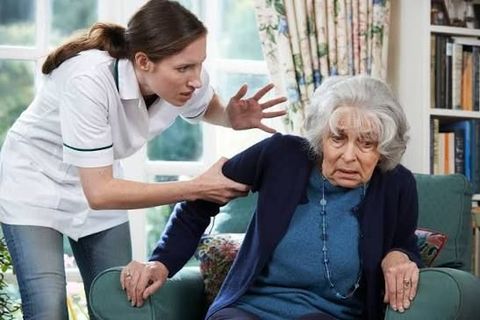
Nursing home abuse refers to harmful or inappropriate treatment of a resident in a long-term care setting. Abuse can be physical, emotional, sexual, financial, or otherwise harmful. Neglect can also occur when a facility or caregiver fails to provide appropriate care and protection.
Residents of Medicare- and Medicaid-certified nursing homes have federally protected rights, including the right to be free from abuse and neglect. CMS states that nursing home residents are entitled to protections under federal and state law concerning care, safety, and quality of life.
Suspected abuse should be taken seriously, particularly when a resident may be unable to communicate concerns independently because of illness, cognitive impairment, disability, or other circumstances.
Common Types of Nursing Home Abuse
Potential forms of mistreatment include:
Physical abuse
Emotional or mental abuse
Sexual abuse
Financial exploitation
Neglect
Inappropriate restraint
Misappropriation of property
Intimidation or retaliation
Abandonment
Improper treatment or care
Not every injury or disagreement automatically constitutes abuse. CMS guidance distinguishes deliberate abusive conduct from genuine accidents and emphasizes that allegations must be appropriately investigated.
Warning Signs of Possible Abuse or Neglect
A single warning sign does not necessarily establish abuse. However, unexplained or repeated changes can warrant further attention.
Physical Warning Signs
Possible indicators include:
Unexplained bruises
Unusual injuries
Burns
Cuts or wounds
Frequent falls
Signs of dehydration
Untreated medical problems
Sudden changes in physical condition
Injuries that do not have a clear explanation
CMS guidance specifically recognizes injuries of unknown source as allegations that may require investigation in nursing-home settings.
Emotional or Behavioral Changes
Possible signs include:
Sudden withdrawal
Fear around particular caregivers
Unusual anxiety
Depression
Changes in sleeping patterns
Reluctance to communicate
Sudden agitation
Unusual changes in behavior
Behavioral changes should be evaluated in context because medical conditions, dementia, medication changes, and environmental changes can also affect behavior.
Neglect Indicators
Possible concerns include:
Poor hygiene
Inadequate nutrition
Dehydration
Untreated bedsores
Medication problems
Unsanitary surroundings
Repeated missed care
Unaddressed medical needs
Inadequate supervision
The presence of one indicator does not automatically establish negligence or abuse. Documentation and appropriate investigation are important.
Financial Exploitation
Financial exploitation involves improper use of a resident's money, property, or financial resources.
Possible warning signs include:
Unexplained withdrawals
Missing personal belongings
Unexpected financial transactions
Changes to financial documents
Unusual gifts
Pressure to provide money
Missing valuables
Unexplained changes in account activity
Families and authorized representatives should maintain appropriate records of financial transactions and property when concerns arise.
Importance of Resident Rights
Residents have important legal and regulatory protections.
These can include rights concerning:
Freedom from abuse
Privacy
Dignity
Participation in care decisions
Access to information
Communication with visitors
Complaint procedures
Protection from retaliation
Personal property
Appropriate medical care
CMS provides resources explaining nursing-home resident rights and procedures for reporting quality-of-care concerns.
Residents and families should become familiar with the complaint procedures applicable to the facility and state.
What to Do When Abuse Is Suspected
If a resident appears to face immediate danger, the priority should be immediate safety and contacting emergency authorities when appropriate.
For non-emergency concerns, families can document the situation and report it through appropriate channels.
Initial Steps
Consider:
Make sure the resident is safe.
Record what was observed.
Photograph visible injuries when appropriate and lawful.
Obtain relevant medical documentation.
Record names of witnesses.
Preserve relevant communications.
Report the concern through the appropriate authority.
Keep copies of complaints and responses.
Monitor the resident's condition.
Seek qualified legal guidance when appropriate.
Avoid confronting a suspected perpetrator in a way that could place the resident or another person at greater risk.
Reporting Nursing Home Abuse
Reporting procedures vary by state and by the nature of the allegation.
Potential reporting channels can include:
Local law enforcement
State survey agency
State nursing-home licensing authority
Long-Term Care Ombudsman program
Adult Protective Services where applicable
Facility administration
Appropriate federal authorities
CMS explains that nursing homes have reporting and investigation obligations concerning allegations involving abuse, neglect, mistreatment, injuries of unknown source, and misappropriation of resident property.
CMS also requires states to maintain procedures for timely review and investigation of allegations involving resident abuse and neglect.
When Law Enforcement May Be Appropriate
Law enforcement may be appropriate when suspected conduct may constitute a crime, particularly where there is an immediate threat, serious injury, sexual abuse, assault, theft, or other potentially criminal conduct.
CMS guidance addresses reporting reasonable suspicions of crimes involving residents of long-term care facilities.
Because reporting requirements vary, families should follow applicable state and local procedures.
Documenting Evidence
Good documentation can help establish a clear timeline.
Useful records may include:
| Evidence | Purpose |
| Medical Records | Document injuries and treatment |
| Photographs | Record visible conditions |
| Incident Reports | Document reported events |
| Witness Information | Identify people with relevant observations |
| Financial Records | Identify unusual transactions |
| Care Records | Review patterns of care |
| Medication Records | Track medication-related concerns |
| Communications | Preserve reports and responses |
| Facility Correspondence | Document official responses |
| Complaint Records | Establish reporting history |
Documentation should be accurate, factual, and dated whenever possible.
Laws and Policies
Nursing homes participating in Medicare or Medicaid must comply with federal requirements for long-term care facilities. CMS maintains federal requirements and survey guidance addressing resident safety, quality of care, abuse, neglect, and related concerns.
State laws can impose additional requirements concerning:
Mandatory reporting
Adult protective services
Nursing-home licensing
Long-term care ombudsman programs
Criminal investigations
Civil claims
Evidence preservation
Reporting deadlines
The applicable legal rules depend on the state and circumstances.
Recent Nursing Home Oversight Updates
CMS updated its nursing-home oversight materials in July and August 2026. Current CMS materials describe a risk-based survey approach intended to direct greater oversight toward facilities presenting higher risks to resident health and safety. CMS also states that complaint surveys are not subject to this risk-based survey approach.
In July 2026, CMS also issued a special alert concerning protection of vulnerable residents' voting rights and autonomy in long-term care facilities.
These developments demonstrate the continuing federal focus on resident protection, oversight, and facility accountability.
Legal Rights and Potential Claims
Depending on the facts, a resident or family may have several potential avenues for addressing harm.
These may include:
Administrative complaints
Regulatory investigations
Criminal reports
Insurance-related proceedings
Civil claims
Negligence claims
Wrongful-death claims in appropriate circumstances
Whether a particular legal claim exists depends on state law, evidence, contractual relationships, the resident's circumstances, and the nature of the alleged conduct.
A qualified attorney familiar with the applicable state law can evaluate the circumstances and explain potential legal options.
Tools and Resources
Useful resources include:
CMS Nursing Home Care Compare
CMS resident-rights information
State survey agency
State nursing-home licensing authority
Long-Term Care Ombudsman
Adult Protective Services
Local law enforcement
Medical records
Facility grievance procedures
Nursing-home inspection reports
CMS's Care Compare resources allow consumers to compare Medicare-certified nursing homes and review information concerning staffing and quality of care.
Nursing Home Abuse Reporting Workflow
| Step | Action |
| 1 | Assess immediate safety |
| 2 | Obtain medical attention when necessary |
| 3 | Record observations |
| 4 | Preserve relevant evidence |
| 5 | Notify the appropriate authority |
| 6 | Request an investigation when applicable |
| 7 | Keep copies of reports |
| 8 | Monitor the resident's condition |
| 9 | Review regulatory responses |
| 10 | Consider qualified legal guidance |
Frequently Asked Questions
What are common signs of nursing home abuse?
Possible signs include unexplained injuries, sudden behavioral changes, poor hygiene, dehydration, untreated medical problems, unexplained financial activity, and fear around particular caregivers. These signs can have other explanations and should be evaluated carefully.
Who can I report nursing home abuse to?
Depending on the circumstances, concerns may be reported to facility management, the state survey agency, a long-term care ombudsman, Adult Protective Services, or law enforcement. State procedures vary. CMS provides information on reporting and resolving nursing-home problems.
Should suspected abuse be reported to the police?
If there is an immediate danger or suspected criminal conduct, contacting law enforcement may be appropriate. CMS has specific guidance concerning reasonable suspicions of crimes involving long-term care residents.
Can a nursing home resident file a complaint?
Yes. Residents have federally protected rights in Medicare- and Medicaid-certified nursing homes, including protections concerning abuse, neglect, dignity, and quality of care. CMS provides complaint-related resources for residents and caregivers.
Can families pursue a legal claim?
Potentially. Depending on the circumstances and applicable state law, a resident or authorized representative may have administrative, regulatory, or civil options. A qualified attorney can evaluate the facts and applicable legal requirements.
Conclusion
Nursing home abuse and neglect can involve physical harm, emotional mistreatment, financial exploitation, inadequate care, or other conduct that compromises a resident's safety and dignity.
Recognizing warning signs, documenting concerns, reporting suspected abuse through appropriate channels, and understanding resident rights can help families respond more effectively.
Federal and state rules provide multiple mechanisms for addressing nursing-home concerns, including facility complaint procedures, state oversight, ombudsman programs, protective agencies, and law enforcement. CMS continues to update its nursing-home oversight and resident-protection resources.
Disclaimer
This article provides general educational information about nursing home abuse and resident protections in the United States. It does not determine whether abuse or negligence occurred and does not replace medical, regulatory, or legal advice. Reporting procedures and legal rights vary by state and circumstance. If a resident is in immediate danger, contact appropriate emergency authorities.

Related Post...
Nursing Home Abuse Guide: Warning Signs, Legal Rights, and Reporting Procedures
Updated: September 02, 2026
Read More
Power of Attorney Guide: Legal Authority, Financial Decisions, Family Planning, and Practical Tips
Updated: September 29, 2026
Read More
Elder Law Guide: Long-Term Care Planning, Legal Rights, and Estate Matters
Updated: September 02, 2026
Read More