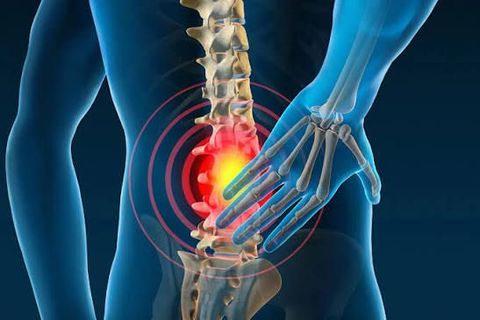
Neuropathic Pain Management Guide: Treatment Options, Nerve Therapy, Medications, and Care Insights
Neuropathic pain is pain caused by damage or dysfunction involving the nervous system. It can develop when nerves, the spinal cord, or parts of the brain involved in pain processing are affected.
Neuropathic pain can feel different from many other forms of pain. People may describe it as burning, shooting, electric-like, tingling, stabbing, numb, or unusually sensitive to touch.
Potential causes include diabetes, shingles, nerve injury, certain neurological conditions, chemotherapy, nerve compression, and other disorders affecting the nervous system.
Because the underlying causes differ, neuropathic pain management generally requires an individualized evaluation rather than a single treatment approach.
Why Neuropathic Pain Management Matters
Persistent nerve pain can affect multiple areas of daily life.
It may interfere with:
Sleep
Walking and mobility
Exercise
Work activities
Concentration
Mood
Social activities
Physical function
Overall quality of life
Treatment goals may include reducing pain intensity, improving physical function, supporting sleep, addressing the underlying cause when possible, and helping a person participate in normal activities.
The National Institute of Neurological Disorders and Stroke notes that chronic pain management can involve medications, physical therapy, behavioral approaches, lifestyle changes, procedures, and complementary approaches. (ninds.nih.gov)
What Is Neuropathic Pain?
Neuropathic pain results from abnormal signaling within the nervous system.
It can involve:
Peripheral nerves
Spinal nerves
Spinal cord pathways
Brain pain-processing systems
Common descriptions include:
Burning pain
Shooting pain
Electric-shock sensations
Pins and needles
Tingling
Numbness
Pain from light touch
Increased sensitivity
Unusual temperature sensations
Neuropathic pain differs from nociceptive pain, which is generally associated with tissue damage or inflammation.
A person can also experience more than one type of pain at the same time.
Common Causes of Neuropathic Pain
Neuropathic pain can have many possible causes.
Examples include:
Diabetes-related nerve damage
Shingles and postherpetic neuralgia
Chemotherapy-related peripheral neuropathy
Traumatic nerve injury
Nerve compression
Spinal disorders
Stroke
Multiple sclerosis
Certain autoimmune conditions
Alcohol-related nerve damage
Vitamin deficiencies
Certain medications
Other neurological disorders
The cause may sometimes be identified through medical history, examination, laboratory testing, imaging, or other diagnostic evaluation.
Neuropathic Pain Evaluation
A healthcare professional may evaluate:
Pain location
Pain quality
Duration
Severity
Numbness
Tingling
Muscle weakness
Reflexes
Sensation
Balance
Medical history
Current medications
Potential underlying diseases
Depending on the suspected cause, evaluation may include blood tests, imaging, nerve-conduction studies, electromyography, or other testing.
The purpose of testing is generally to identify the underlying condition and determine whether additional treatment is appropriate.
Peripheral Neuropathy and Nerve Pain
Peripheral neuropathy occurs when peripheral nerves are damaged or dysfunctional.
Symptoms can include:
Burning
Tingling
Numbness
Shooting pain
Weakness
Balance difficulties
Increased sensitivity
Diabetes is a common cause of peripheral neuropathy, but many other conditions can affect peripheral nerves.
Treatment depends on the cause. For example, managing an underlying disease may be an important part of preventing further nerve damage.
Medication Options
Medications may be used to manage neuropathic pain, depending on the diagnosis and individual circumstances.
Healthcare professionals may consider medicines such as:
Certain antidepressants used for pain management
Certain anticonvulsant medications
Topical treatments for localized nerve pain
Other medications appropriate to the underlying condition
The choice depends on factors such as:
Cause of the pain
Other medical conditions
Current medications
Age
Kidney and liver function
Potential adverse effects
Drug interactions
Pregnancy considerations where relevant
NICE guidance for neuropathic pain in adults recommends considering certain antidepressants and anticonvulsants as initial treatment options, while emphasizing individualized prescribing and review. (nice.org.uk)
Do not start, stop, or change prescription medication without appropriate medical guidance.
Antidepressants for Neuropathic Pain
Some antidepressant medicines can affect pain-processing pathways and may be prescribed for neuropathic pain even when depression is not the reason for treatment.
Examples can include:
Amitriptyline
Duloxetine
Other medicines within appropriate antidepressant classes
The suitability of a particular medication depends on the diagnosis, medical history, other medications, and potential adverse effects.
NICE identifies amitriptyline, duloxetine, gabapentin, and pregabalin among medications that may be considered for initial neuropathic pain treatment in appropriate adults. (nice.org.uk)
Anticonvulsant Medications
Certain anticonvulsant medications can be used for neuropathic pain because they influence nerve signaling.
Common examples include:
Gabapentin
Pregabalin
These medications can cause adverse effects such as dizziness or drowsiness in some people and may require careful dosing and monitoring.
NICE recommends reviewing treatment response and adverse effects and considering switching when the initial treatment is not effective or tolerated. (nice.org.uk)
Topical Treatments
Topical approaches may be considered for certain types of localized neuropathic pain.
Depending on the condition, healthcare professionals may consider:
Capsaicin preparations
Local anesthetic approaches
Other topical treatments
NICE recommends considering capsaicin cream for adults with localized neuropathic pain who wish to avoid or cannot tolerate oral treatments in appropriate circumstances. (nice.org.uk)
Topical treatment is not appropriate for every neuropathic pain condition.
Opioids and Neuropathic Pain
Opioids require careful consideration because of risks associated with dependence, tolerance, overdose, and adverse effects.
NICE recommends considering tramadol only as short-term rescue therapy for some adults with neuropathic pain when appropriate, rather than routinely using it as long-term treatment. NICE recommends against starting morphine and certain other opioids for neuropathic pain in non-specialist settings. (nice.org.uk)
Medication decisions should always be individualized by a qualified clinician.
Physical Therapy and Rehabilitation
Physical therapy may be useful when neuropathic pain affects mobility, strength, balance, or physical function.
A rehabilitation program may include:
Strength exercises
Balance training
Mobility work
Flexibility exercises
Walking programs
Functional movement
Activity progression
Home exercises
Physical therapy generally addresses functional limitations rather than eliminating the underlying nerve disorder.
The appropriate program depends on the cause and severity of symptoms.
Exercise and Physical Activity
Appropriate physical activity can be part of long-term pain management.
Depending on the person's condition, activities may include:
Walking
Swimming
Low-impact aerobic exercise
Strength training
Mobility exercises
Balance exercises
People with significant weakness, balance problems, or other neurological symptoms should discuss appropriate activity with a healthcare professional before beginning a new exercise program.
Behavioral and Psychological Approaches
Persistent pain can interact with sleep, stress, mood, fear of movement, and activity avoidance.
Behavioral approaches may include:
Cognitive behavioral therapy
Relaxation techniques
Mindfulness-based approaches
Pain-coping strategies
Stress management
Sleep-focused interventions
These approaches do not mean that nerve pain is psychological. They can help address factors that influence how persistent pain affects daily functioning and quality of life.
Nerve Therapy and Interventional Approaches
Selected patients may be evaluated for procedures when conventional approaches do not provide adequate relief or when a specific nerve-related condition has been identified.
Potential approaches can include:
Nerve blocks
Epidural procedures in selected conditions
Radiofrequency procedures
Electrical nerve stimulation
Spinal cord stimulation
Other specialist interventions
The appropriateness of these approaches depends on the underlying diagnosis and available evidence.
Specialist evaluation is important before pursuing invasive procedures.
Spinal Cord Stimulation
Spinal cord stimulation uses an implanted device to deliver electrical stimulation near the spinal cord.
It may be considered for selected chronic pain conditions when other approaches have not provided adequate relief.
The decision involves evaluating:
Pain diagnosis
Previous treatment
Functional impact
Potential benefits
Procedural risks
Device considerations
Long-term follow-up
It is not appropriate for every person with neuropathic pain.
Treating the Underlying Cause
Managing the underlying condition can be an important part of neuropathic pain care.
Examples include:
Diabetes-related neuropathy
Blood-glucose management and broader diabetes care may help reduce the risk of further nerve damage.
Vitamin deficiency
If a deficiency contributes to neuropathy, appropriate medical treatment may address the underlying problem.
Medication-related neuropathy
A healthcare professional may evaluate whether a medication could contribute to symptoms and determine whether changes are appropriate.
Nerve compression
Treatment may focus on relieving the underlying compression when clinically appropriate.
Postherpetic neuralgia
Treatment can focus on managing persistent nerve pain following shingles.
Neuropathic Pain and Sleep
Nerve pain can interfere with falling asleep, staying asleep, or maintaining normal sleep patterns.
Poor sleep can also make pain harder to manage.
A care plan may address:
Regular sleep schedules
Appropriate physical activity
Sleep environment
Medication timing
Pain management before bedtime
Underlying sleep disorders
Persistent sleep disruption should be discussed with a healthcare professional.
Neuropathic Pain and Daily Function
Treatment planning can focus on practical goals rather than pain intensity alone.
Examples include:
Walking a specific distance
Returning to appropriate work activities
Improving sleep
Increasing physical activity
Performing household activities
Reducing dependence on assistance
Improving balance
Increasing participation in social activities
Functional goals can help healthcare professionals evaluate whether a treatment is providing meaningful benefits.
Red-Flag Symptoms
Some nerve-related symptoms require urgent medical assessment.
Seek urgent medical attention for:
New or rapidly worsening weakness
Sudden loss of sensation
New loss of bladder or bowel control
Numbness around the groin or saddle area
Sudden difficulty walking
New facial weakness
Sudden speech or vision changes
Severe symptoms following significant trauma
Rapidly progressing neurological symptoms
These symptoms can indicate a serious neurological or spinal condition requiring prompt evaluation.
Recent Developments in Neuropathic Pain Management
Research continues to examine treatments that target pain signaling and nervous-system mechanisms.
Current areas of research include:
Non-opioid pain treatments
Neuromodulation
Peripheral nerve stimulation
Spinal cord stimulation
Digital pain-management tools
Personalized treatment approaches
New medications targeting specific pain pathways
Biomarkers for treatment selection
NINDS continues to support research into new approaches for chronic and neuropathic pain, including non-addictive treatment strategies. (ninds.nih.gov)
Research findings do not mean that an experimental or emerging approach is appropriate for routine clinical treatment.
Neuropathic Pain Care Planning Checklist
Patients discussing nerve pain with a healthcare professional can consider:
Document when symptoms started
Record pain location and characteristics
Note numbness or tingling
Track weakness or balance changes
Review current medications
Discuss possible underlying causes
Ask whether diagnostic testing is appropriate
Review medication options and risks
Discuss physical therapy
Consider functional goals
Review sleep problems
Discuss behavioral pain-management approaches
Ask whether specialist referral is appropriate
Understand urgent warning signs
Establish follow-up plans
Tools and Resources
Useful resources for learning about neuropathic pain include:
National Institute of Neurological Disorders and Stroke (NINDS): Information about pain and neurological conditions.
NICE: Evidence-based guidance on pharmacological treatment of neuropathic pain in adults.
National Center for Complementary and Integrative Health: Information about complementary approaches to pain.
MedlinePlus: Patient-oriented information about neurological conditions and medications.
ClinicalTrials.gov: Information about ongoing and completed pain-related clinical studies.
PubMed: Research literature concerning neuropathic pain and pain-management approaches.
Frequently Asked Questions
What is neuropathic pain?
Neuropathic pain is pain associated with damage or dysfunction of the nervous system. It can feel burning, shooting, electric-like, tingling, numb, or unusually sensitive to touch.
What medications are commonly used for neuropathic pain?
Depending on the diagnosis, clinicians may consider medicines such as certain antidepressants, gabapentin, pregabalin, and selected topical treatments. Medication selection depends on individual medical circumstances.
Can physical therapy help nerve pain?
Physical therapy may help when neuropathic pain affects mobility, strength, balance, or physical function. The appropriate program depends on the underlying condition.
Is neuropathic pain curable?
Some causes of neuropathic pain can improve when the underlying condition is treated, while other forms may require long-term management. Outcomes vary considerably.
When should nerve pain be treated urgently?
Rapidly worsening weakness, sudden sensory loss, new bladder or bowel problems, saddle-area numbness, sudden difficulty walking, or other acute neurological changes require prompt medical assessment.
Conclusion
Neuropathic pain can result from many different conditions and may affect sensation, movement, sleep, and everyday functioning.
Management is often individualized and may include treatment of the underlying cause, medications, physical therapy, behavioral approaches, lifestyle measures, and selected specialist procedures.
Because nerve pain can have many causes, appropriate diagnosis is an important part of treatment planning. People with persistent, worsening, or unexplained symptoms should discuss them with a qualified healthcare professional.

Related Post...