Musculoskeletal Pain Guide: Treatment Approaches, Rehabilitation Options, Specialist Care, and Recovery Tips
Musculoskeletal pain affects the muscles, bones, joints, tendons, ligaments, and other structures involved in movement. It can develop after an injury, repetitive activity, prolonged inactivity, changes associated with aging, or an underlying medical condition.
Common examples include back pain, neck pain, muscle strains, tendon problems, joint-related pain, and overuse injuries. Symptoms may include aching, stiffness, tenderness, reduced movement, weakness, or pain during activity.
Treatment depends on the underlying cause, duration and severity of symptoms, affected body area, medical history, and functional goals. Management may combine physical rehabilitation, activity modification, medication, education, and specialist care.
What Is Musculoskeletal Pain?
Musculoskeletal pain refers to discomfort arising from structures that support movement and the body's physical framework.
Potential sources include:
Muscles
Bones
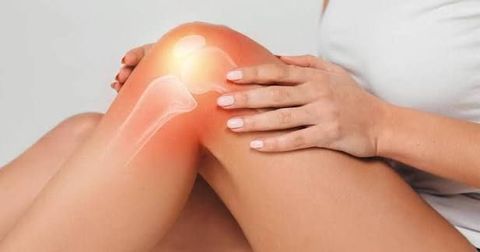
Joints
Tendons
Ligaments
Fascia
Connective tissues
Pain may be acute after an injury or may persist for a longer period. Some conditions involve inflammation, while others are associated with mechanical stress, tissue irritation, degeneration, or changes in how the nervous system processes pain.
Common Causes of Musculoskeletal Pain
Musculoskeletal pain can have many causes.
Common contributors include:
Muscle strains
Sprains
Tendon injuries
Repetitive-use injuries
Poor movement mechanics
Prolonged sitting or inactivity
Sports-related injuries
Workplace activities
Osteoarthritis
Inflammatory conditions
Fractures
Post-surgical recovery
Age-related changes
In some cases, pain can result from more than one factor. A healthcare professional may therefore consider physical findings, medical history, activity patterns, and other symptoms when evaluating the problem.
How Musculoskeletal Pain Is Evaluated
Evaluation generally begins with a medical history and physical examination.
A healthcare professional may assess:
Pain location
Pain intensity
Duration
Movement limitations
Muscle strength
Joint stability
Flexibility
Walking or movement patterns
Previous injuries
Work or exercise activities
Medications
Other health conditions
Imaging or laboratory testing may be considered when clinically appropriate. X-rays, ultrasound, MRI, blood tests, or other investigations may be used depending on the suspected condition.
Testing is not necessarily required for every musculoskeletal pain problem.
Treatment Approaches
Treatment is generally directed toward the underlying condition and the person's functional goals.
Depending on the diagnosis, treatment may include:
Physical therapy
Therapeutic exercise
Activity modification
Gradual return to normal activities
Pain-relief medication
Topical treatments
Rehabilitation
Education about movement and self-management
Specialist evaluation
Selected interventional procedures
Surgery for certain structural conditions
A treatment plan may change as symptoms and physical function improve.
Physical Therapy and Rehabilitation
Physical therapy is commonly used for musculoskeletal conditions.
A rehabilitation program may address:
Strength
Flexibility
Joint mobility
Balance
Coordination
Posture
Movement mechanics
Functional activities
Activity tolerance
The appropriate exercises depend on the affected body region and underlying diagnosis.
Rehabilitation generally emphasizes gradual progression rather than rapidly increasing activity beyond the person's current capacity.
Therapeutic Exercise
Exercise can be an important component of musculoskeletal rehabilitation.
Depending on the condition, a program may include:
Strength training
Mobility exercises
Stretching
Aerobic activity
Balance exercises
Core strengthening
Functional movement
Progressive resistance exercises
Exercise selection should account for pain, injury status, physical capacity, age, other health conditions, and professional recommendations.
Activity Modification and Recovery
Complete inactivity is not appropriate for every musculoskeletal condition.
Depending on the injury or diagnosis, healthcare professionals may recommend temporarily modifying activities while maintaining appropriate movement.
A gradual recovery plan may involve:
Protect → Restore Movement → Build Strength → Increase Activity → Resume Function
The pace depends on the condition and response to rehabilitation.
Pain-Relief Medications
Medication may sometimes be used to manage musculoskeletal pain.
Depending on the circumstances, healthcare professionals may consider:
Acetaminophen
Nonsteroidal anti-inflammatory drugs
Topical pain-relief treatments
Other condition-specific medications
Medication choice depends on factors such as medical history, kidney and liver function, gastrointestinal risks, cardiovascular considerations, other medications, allergies, age, and the suspected cause of pain.
Some medications can have important risks when used incorrectly or for prolonged periods.
Topical Pain Treatments
Topical medications may be considered for certain localized musculoskeletal pain conditions.
These can include topical anti-inflammatory medications or other preparations intended to reduce localized discomfort.
Topical treatments may be useful in some situations because they are applied directly to the affected area, but they are not appropriate for every condition.
A healthcare professional or pharmacist can help determine whether a topical treatment is appropriate.
Heat, Cold, and Other Supportive Measures
Heat or cold may provide temporary symptom relief for some musculoskeletal conditions.
Depending on the condition, people may use:
Cold packs
Warm compresses
Heat therapy
Appropriate rest periods
Position changes
Supportive equipment
People with reduced sensation should use particular caution with temperature-based treatments because they may not recognize excessive heat or cold.
Supportive measures should complement rather than replace appropriate evaluation when symptoms persist or worsen.
Workplace and Ergonomic Considerations
Work activities can contribute to musculoskeletal symptoms.
Risk factors may include:
Repetitive movements
Heavy lifting
Awkward postures
Prolonged sitting
Prolonged standing
Repeated reaching
Vibration exposure
Inadequate workstation setup
Workplace strategies may include adjusting equipment, varying tasks, improving workstation setup, taking appropriate movement breaks, and using safer lifting or movement techniques.
Sports and Exercise-Related Pain
Athletes and physically active individuals may develop musculoskeletal pain from training load, injury, inadequate recovery, or changes in activity.
Recovery planning may involve:
Temporary activity modification
Rehabilitation exercises
Gradual training progression
Strength development
Movement assessment
Technique adjustments
Appropriate recovery periods
Returning to demanding activity too quickly may increase the risk of aggravating an injury.
Specialist Care
Some musculoskeletal conditions require evaluation by a specialist.
Depending on the problem, care may involve:
Primary-care professionals
Physical therapists
Orthopedic specialists
Sports-medicine professionals
Rheumatology specialists
Pain-management specialists
Rehabilitation specialists
Occupational therapists
The appropriate specialist depends on the suspected cause and affected body system.
Chronic Musculoskeletal Pain
Some musculoskeletal conditions can persist for months or longer.
Long-term management may focus on:
Improving physical function
Maintaining appropriate activity
Managing pain
Improving sleep
Addressing contributing factors
Supporting psychological well-being
Preventing unnecessary physical deconditioning
For persistent pain, treatment may involve several approaches rather than relying on a single intervention.
Musculoskeletal Pain and Sleep
Pain can interfere with sleep, while poor sleep can make pain more difficult to manage.
A broader care plan may therefore address:
Regular sleep routines
Comfortable positioning
Appropriate activity during the day
Management of nighttime symptoms
Review of medications that may affect sleep
Treatment of other sleep problems
Persistent sleep disruption should be discussed with an appropriate healthcare professional.
Rehabilitation Goals
Recovery should not be measured only by pain intensity.
Useful rehabilitation goals can include:
Improved range of motion
Greater strength
Better walking ability
Increased activity tolerance
Improved balance
Return to work
Return to exercise
Improved sleep
Greater independence with daily activities
Functional improvements can provide important evidence of progress even when some discomfort remains.
Interventional Treatments
Some musculoskeletal conditions may be considered for procedures when conservative approaches have not provided sufficient improvement.
Depending on the diagnosis, options may include:
Injections
Image-guided procedures
Joint procedures
Other targeted interventions
The appropriateness of an intervention depends on the underlying diagnosis, expected benefits, potential risks, and individual circumstances.
Surgery and Musculoskeletal Pain
Surgery may be appropriate for selected structural problems, significant injuries, or conditions that do not respond adequately to other approaches.
Surgical decisions can involve:
Diagnosis
Severity
Functional limitations
Imaging findings
Previous treatment
Expected benefits
Recovery requirements
Potential complications
Surgery is not appropriate for every musculoskeletal pain condition.
Recent Developments in Musculoskeletal Pain Care
Musculoskeletal care continues to emphasize individualized rehabilitation and functional recovery.
Recent areas of development include:
Exercise-based rehabilitation
Digital physical-therapy tools
Remote rehabilitation monitoring
Wearable activity tracking
Image-guided procedures
Personalized rehabilitation programs
Improved pain-assessment methods
Multidisciplinary pain management
Greater emphasis on functional outcomes
Technology can support rehabilitation and monitoring, but clinical interpretation remains important.
When to Seek Prompt Medical Attention
Persistent musculoskeletal pain should be evaluated when it does not improve, repeatedly returns, or interferes with normal activities.
Prompt or urgent medical evaluation may be appropriate for:
Severe pain after significant trauma
Inability to bear weight
Significant deformity
Sudden or progressive weakness
New numbness or neurological changes
Severe swelling
Fever with a hot or swollen joint
Loss of bladder or bowel control
Severe pain accompanied by other concerning symptoms
Emergency care may be necessary when symptoms suggest a serious injury or neurological or systemic condition.
Musculoskeletal Pain Recovery Checklist
People managing musculoskeletal pain can discuss the following areas with their healthcare team:
Identify the likely cause
Review relevant medical history
Establish functional goals
Determine whether imaging or testing is appropriate
Develop an appropriate activity plan
Consider physical rehabilitation
Review medication options and risks
Address workplace or exercise factors
Monitor strength and mobility
Track functional progress
Review sleep and recovery
Reassess persistent or worsening symptoms
Establish appropriate follow-up
Tools and Resources
Useful resources for musculoskeletal pain management include:
Primary-care evaluation: Initial assessment and coordination of care.
Physical therapy: Exercise, mobility, strength, and functional rehabilitation.
Sports medicine: Evaluation of activity- and exercise-related injuries.
Orthopedic care: Assessment of structural bone, joint, and soft-tissue conditions.
Rheumatology: Evaluation of inflammatory and autoimmune musculoskeletal conditions.
Pain-management professionals: Support for persistent or complex pain.
Occupational therapy: Assistance with daily activities, function, and workplace adaptation.
Frequently Asked Questions
1. What is the best treatment for musculoskeletal pain?
There is no single treatment that is appropriate for every condition. Management depends on the underlying cause and may include physical therapy, exercise, activity modification, medication, specialist care, or other treatments.
2. Does physical therapy help musculoskeletal pain?
Physical therapy can help improve strength, flexibility, mobility, balance, movement patterns, and functional ability for many musculoskeletal conditions. The appropriate program depends on the diagnosis and individual circumstances.
3. What medications are used for musculoskeletal pain?
Depending on the condition, healthcare professionals may consider medications such as acetaminophen, nonsteroidal anti-inflammatory drugs, topical treatments, or other condition-specific medications. Individual risks and medical history should be considered.
4. When should musculoskeletal pain be evaluated?
Evaluation is appropriate when pain persists, worsens, repeatedly returns, or interferes with normal activities. Prompt evaluation may be needed after significant injury, with progressive weakness, major swelling, neurological changes, or other concerning symptoms.
5. Can musculoskeletal pain be prevented?
Risk reduction may involve appropriate physical conditioning, gradual activity progression, ergonomic adjustments, safe movement techniques, adequate recovery, and management of underlying health conditions. Prevention depends on the specific source of pain.
Conclusion
Musculoskeletal pain can affect muscles, bones, joints, tendons, ligaments, and other structures involved in movement. Because the causes and severity can vary widely, treatment should be based on an appropriate evaluation rather than a single generalized approach.
Physical rehabilitation, activity management, medication when appropriate, specialist care, workplace or exercise adjustments, and functional recovery planning can all contribute to effective management.
A structured recovery plan should focus not only on reducing pain but also on restoring movement, strength, independence, and participation in everyday activities.

Related Post...
Back Pain Treatment Guide: Therapy Option, Pain Management, Specialist Care, and Recovery Planning
Updated: October 08, 2026
Read More