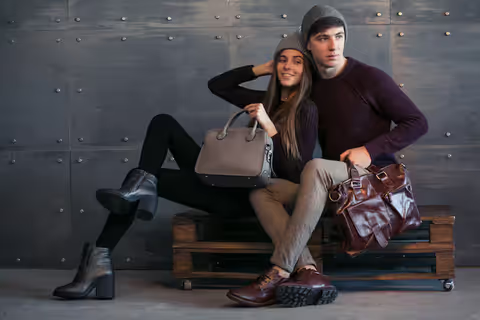
Men’s Streetwear: Explore Oversized Fits, Sneakers, Layering and Urban Style Trends
Men's streetwear is a style of clothing associated with casual dressing, youth culture, music, skateboarding, sports, art, and urban environments.
It commonly combines practical garments such as T-shirts, hoodies, cargo trousers, denim, sneakers, jackets, and caps. Rather than following one fixed uniform, streetwear allows different influences to be combined according to personal preferences and local culture.
The development of streetwear can be traced to several cultural movements that grew during the late twentieth century. Skateboarding communities, hip-hop culture, surf culture, sportswear, and independent clothing labels all contributed to its development. Over time, elements from these communities moved into wider fashion.
Core characteristics of men's streetwear
Streetwear generally focuses on relaxed silhouettes, practical fabrics, graphic elements, layered clothing, and footwear that can be used for everyday activities. Oversized T-shirts, loose trousers, sweatshirts, utility jackets, and sneakers are common examples.
However, streetwear is not limited to oversized clothing. Slimmer garments, straight-leg trousers, knitwear, tailored jackets, and simple shirts can also be incorporated into contemporary streetwear outfits.
Common streetwear categories
| Category | Common examples | Typical characteristics |
|---|---|---|
| Tops | T-shirts, hoodies, sweatshirts | Relaxed shapes and graphic details |
| Bottoms | Cargo trousers, denim, joggers | Utility details or casual construction |
| Outerwear | Bomber jackets, work jackets, overshirts | Layering and practical structure |
| Footwear | Sneakers, skate shoes, boots | Everyday movement and varied styling |
| Accessories | Caps, bags, watches, belts | Functional or visual accents |
Streetwear has also become increasingly connected with broader casual fashion. As a result, individual garments can move between streetwear, sportswear, workwear, and everyday wardrobes.
Importance
Men's streetwear matters because it reflects changes in how people approach everyday clothing. Many people now combine clothing associated with different settings rather than maintaining a strict separation between formal, athletic, and casual wardrobes.
For students, commuters, creative workers, travelers, and people who spend much of their time in urban environments, clothing that permits movement and layering can be practical. Streetwear also provides a way to express interests through colors, graphics, silhouettes, footwear, and accessories.
Cultural influence
Music has played an important role in the development of men's streetwear. Hip-hop artists, DJs, skateboarders, athletes, and designers have influenced the way particular garments are interpreted.
Streetwear has also developed differently in different regions. Japanese street fashion, American sportswear, European urban clothing, and Indian youth fashion each contribute different approaches to proportion, color, fabric, and styling.
Comfort and versatility
One reason streetwear remains relevant is its flexibility. A basic T-shirt can be combined with denim for a simple outfit or layered beneath an overshirt and jacket for cooler weather.
Common characteristics include:
Relaxed or adjustable silhouettes
Layering across different seasons
Sneakers and casual footwear
Utility-inspired garments
Graphic prints and logos
Neutral and muted color combinations
Occasional bright colors or contrasting patterns
The balance between these elements depends on the wearer and the setting.
Materials and construction
Cotton remains common in T-shirts, sweatshirts, and casual trousers. Denim is widely used for jeans and jackets, while polyester and nylon appear frequently in lightweight outerwear, technical garments, and sports-influenced clothing.
Fabric selection affects breathability, weight, durability, stretch, texture, and care requirements. For example, a lightweight cotton shirt may be suitable for warm conditions, while a layered fleece or insulated jacket may be more appropriate in colder environments.
Recent Updates
Men's streetwear continues to change as casual clothing becomes increasingly integrated with other fashion categories. From 2024 through 2026, visible trends have included relaxed proportions, utility details, retro references, technical fabrics, and combinations of casual and tailored garments.
Relaxed proportions
Loose trousers, relaxed denim, roomy shirts, and larger outer layers have remained visible in contemporary men's fashion. This does not mean every streetwear outfit uses an oversized silhouette. Straight and moderately relaxed shapes remain common alternatives.
Proportion has become an important styling tool. A wider trouser can be balanced with a relatively simple top, while an oversized jacket can be paired with a narrower lower half.
Utility and workwear influences
Cargo pockets, durable fabrics, overshirts, chore jackets, and workwear-inspired trousers continue to appear in streetwear. These elements connect streetwear with practical clothing traditions.
Utility-inspired clothing can also include technical fabrics, adjustable closures, multiple pockets, and weather-resistant materials. Such features are often incorporated for both appearance and practical use.
Retro references
Earlier fashion periods continue to influence contemporary streetwear. Retro sportswear, vintage-inspired sneakers, varsity elements, old-style graphics, and denim silhouettes can be incorporated into modern outfits.
This trend demonstrates how streetwear frequently reinterprets existing clothing rather than developing entirely new garment categories.
Casual tailoring
Another development is the combination of relaxed streetwear pieces with more structured clothing. For example, a plain sweatshirt can be worn with tailored trousers, while a casual sneaker can be paired with a structured jacket.
This approach creates a middle ground between conventional casualwear and formal dressing. It can be particularly useful in settings where full formal clothing is unnecessary but athletic clothing may not be appropriate.
Digital fashion influence
Social media, short-form video, online communities, and digital fashion publications have accelerated the spread of styling ideas. A particular silhouette or combination can become visible across several regions within a relatively short period.
At the same time, online trends can change rapidly. Individual preferences, climate, culture, and practical requirements continue to influence what people actually wear.
Laws or Policies
Men's streetwear in India is influenced by general textile, consumer protection, labeling, environmental, and intellectual property frameworks. The exact requirements can vary according to the garment, material, manufacturer, importer, and distribution channel.
Textile and garment labeling
Garments supplied in India can be subject to labeling requirements concerning information such as manufacturer or importer details, size information, and other applicable product particulars. Rules administered through the Bureau of Indian Standards and other government authorities can apply to specific textile products.
The Legal Metrology framework can also apply to packaged commodities and certain declarations. Requirements may differ according to how a garment is packaged and distributed.
Consumer and intellectual property considerations
The Consumer Protection Act, 2019 provides a framework concerning consumer rights and unfair trade practices. Clothing businesses and manufacturers must also consider intellectual property rules when using brand names, logos, artwork, photographs, or other protected material.
Trademark and copyright rules are relevant to streetwear because graphics and logos are frequently important design elements. Using protected material without appropriate authorization can create legal issues.
Environmental considerations
Textile production and disposal also intersect with environmental regulation. Waste management requirements, pollution-control rules, packaging requirements, and local regulations can apply depending on the activity involved.
Consumers and businesses may therefore encounter several different regulatory areas rather than one single streetwear-specific law.
Tools and Resources
Several resources can help people understand men's streetwear, clothing construction, sizing, and styling.
Fashion references
Fashion magazines, museum collections, designer archives, textile references, and historical fashion databases can help explain how garments and silhouettes developed. These resources are particularly useful for understanding the cultural background of streetwear.
Clothing measurement tools
A measuring tape can help record chest, shoulder, waist, hip, thigh, and inseam measurements. Comparing these measurements with a garment's size chart can provide more useful information than relying only on labels such as small, medium, or large.
Size labels are not completely standardized between manufacturers, so actual garment measurements can vary.
Wardrobe planning tools
A simple spreadsheet can be used to record:
Garment type
Fabric
Color
Size
Fit
Season
Care instructions
Existing outfit combinations
Digital wardrobe applications can perform similar organizational functions. Outfit planning can also help identify repeated garments and different ways of combining the same pieces.
Fabric and care references
Textile guides can explain terms such as cotton, denim, fleece, nylon, polyester, canvas, and blends. Garment care labels provide specific instructions concerning washing, drying, ironing, and other forms of maintenance.
Understanding these instructions can help preserve fabric characteristics and reduce avoidable damage.
FAQs
What is men's streetwear?
Men's streetwear is a casual fashion category influenced by urban culture, skateboarding, music, sportswear, workwear, and contemporary design. Common pieces include T-shirts, hoodies, sneakers, relaxed trousers, jackets, and accessories.
What are common men's streetwear trends in 2026?
Current men's streetwear includes relaxed silhouettes, utility-inspired garments, retro sportswear, layered outfits, technical fabrics, and combinations of casual pieces with more structured clothing. Trends vary by region and individual style.
What should men wear for a streetwear outfit?
A streetwear outfit can include a T-shirt or sweatshirt, relaxed trousers or denim, casual footwear, and an outer layer such as an overshirt or jacket. Colors, proportions, and accessories can be adjusted according to the setting and weather.
Which fabrics are commonly used in men's streetwear?
Cotton, denim, fleece, polyester, nylon, canvas, and blended fabrics are frequently used. The appropriate material depends on the garment, climate, intended activity, durability requirements, and desired texture.
How is streetwear different from casualwear?
The categories overlap considerably. Streetwear is more strongly connected with urban culture, graphics, sneakers, relaxed silhouettes, and influences from music, sports, and youth communities, while casualwear is a broader category covering everyday informal clothing.
Conclusion
Men's streetwear has developed through influences from music, skateboarding, sportswear, workwear, and urban culture. Contemporary streetwear includes a wide range of silhouettes, materials, footwear, accessories, and styling approaches rather than one fixed appearance. Recent trends have included relaxed proportions, utility details, retro references, technical fabrics, and combinations of casual and structured garments. In India, clothing practices are also shaped by applicable textile, labeling, consumer, intellectual property, and environmental regulations.

Related Post...
Men’s Streetwear: Explore Oversized Fits, Sneakers, Layering and Urban Style Trends
Updated: October 03, 2026
Read More
Louis Vuitton Guide: History, Collections, Design, and Brand Insights
Updated: August 31, 2026
Read More
Understanding Farfetch: Features, Services, and Online Luxury Shopping Insights
Updated: July 03, 2026
Read More