Marriott Hotels Explained: Locations, Amenities, and Guest Experiences
Choosing a hotel is an important part of planning any trip. Whether someone is traveling for a family vacation, a business meeting, or a short weekend visit, the accommodation can influence the overall experience.
Location, room comfort, dining arrangements, transportation access, and available facilities all play a role.
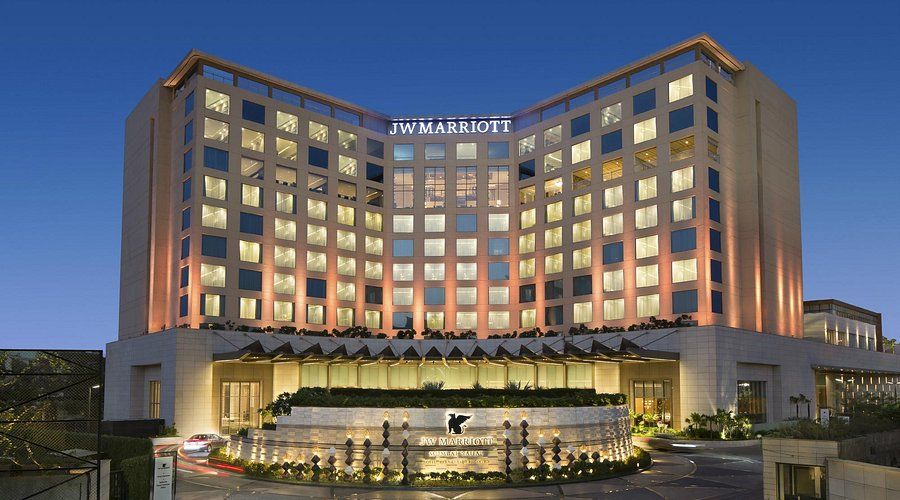
Marriott Hotels are part of Marriott International, a global hospitality company with properties across many countries. The company's portfolio includes different hotel brands designed for various travel preferences, from short city visits to extended stays and resort vacations.
However, not every Marriott property has the same facilities or guest experience. Room layouts, dining options, recreational areas, and local surroundings can vary considerably between locations.
This guide explains Marriott's hotel portfolio, common amenities, accommodation types, guest experiences, and important considerations when planning a stay.
What Are Marriott Hotels?
Marriott Hotels refers to a hotel brand within Marriott International, although travelers sometimes use the name when discussing the company's wider collection of accommodation brands.
Marriott International operates through a combination of managed, franchised, and other lodging arrangements. Its portfolio includes full-service hotels, select-service properties, extended-stay accommodation, and luxury-focused brands.
The Marriott Hotels brand generally emphasizes comfortable accommodation, meeting facilities, dining areas, and spaces designed for both business and leisure travelers. Individual properties may differ depending on their location, building design, and available facilities.
Other brands within Marriott International include Courtyard by Marriott, Residence Inn by Marriott, Sheraton, Westin, Renaissance Hotels, and JW Marriott. Each has a different approach to accommodation and guest facilities.
Understanding these distinctions helps travelers select a property that matches their intended activities and length of stay.
Where Are Marriott Hotels Located?
Marriott International has properties across North America, Europe, Asia, the Middle East, Africa, and other regions. Locations include major cities, airport districts, commercial areas, coastal destinations, and resort communities.
Hotels in the United States
In the United States, Marriott properties can be found in cities such as New York, Chicago, Los Angeles, Miami, and Washington, D.C.
Urban properties may provide access to business districts, museums, restaurants, public transportation, and entertainment venues. Hotels near airports often appeal to travelers with connecting flights or early departures.
Location matters because two hotels in the same city may have very different surroundings and transportation connections.
Hotels in Europe
Marriott properties are present in destinations such as London, Paris, Rome, Madrid, and Berlin.
Travelers visiting European cities may prefer accommodation near railway stations, historic districts, convention centers, or major attractions. Some properties occupy contemporary buildings, while others are located in renovated structures.
Room dimensions and facilities may vary according to the building and local architectural conditions.
Hotels in Asia and the Middle East
Marriott International operates properties in destinations including India, Japan, Thailand, Singapore, and the United Arab Emirates.
In cities such as Mumbai, Bangkok, Tokyo, and Dubai, properties may serve a combination of business travelers, international visitors, and families.
Some locations include conference facilities and multiple dining areas, while resort properties may emphasize outdoor recreation and relaxation.
Resort and Leisure Destinations
Marriott's wider portfolio includes properties in beach destinations, mountain regions, and vacation communities.
Resort experiences can involve swimming pools, recreational activities, wellness facilities, and organized excursions. Availability depends on the individual property, season, and local environment.
Travelers should review the exact location rather than assuming that every hotel within the same brand has identical amenities.
Types of Accommodation Within Marriott's Portfolio
Marriott International includes several hotel categories that reflect different travel needs.
Full-Service Hotels
Full-service properties generally include guest rooms, dining facilities, meeting spaces, and additional shared areas. Marriott Hotels and Sheraton are examples of brands commonly associated with this category.
These properties may suit travelers attending conferences, visiting cities, or staying for several days.
Select-Service Hotels
Select-service properties focus on essential accommodation features and a more limited range of facilities.
Courtyard by Marriott and Fairfield by Marriott are examples within Marriott's portfolio. Their room arrangements, dining facilities, and shared spaces vary by location.
Extended-Stay Accommodation
Extended-stay properties are designed for travelers remaining in one location for longer periods.
Residence Inn by Marriott and TownePlace Suites by Marriott commonly include accommodation features such as kitchen facilities, additional living space, or laundry access, depending on the property.
These arrangements may be useful for families, relocating travelers, or people completing longer assignments.
Luxury and Resort Properties
Marriott International also includes brands such as JW Marriott, The Ritz-Carlton, and St. Regis.
These properties may feature distinctive architecture, specialized dining, wellness facilities, and individually designed guest spaces.
Facilities and experiences vary, so travelers should examine each property's details rather than relying on brand categories alone.
Common Amenities at Marriott Hotels
Hotel amenities influence comfort, convenience, and daily routines during a stay. Although facilities differ, several features are commonly associated with Marriott properties.
Guest Rooms and Connectivity
Guest rooms generally include sleeping arrangements, private bathrooms, climate controls, and basic furnishings.
Depending on the property and room category, additional features may include work desks, seating areas, televisions, coffee-making equipment, and internet connectivity.
Room size, accessibility features, and views can differ even within the same hotel.
Dining and Refreshments
Some Marriott properties include restaurants, cafés, lounges, or in-room dining arrangements.
Dining options may reflect regional cuisine, international dishes, or the needs of travelers with different schedules. Breakfast arrangements also vary by hotel and reservation type.
Guests with dietary restrictions should review available menus and communicate specific requirements directly with the property.
Fitness and Recreation
Fitness centers are available at many Marriott properties. Certain locations also include swimming pools, spa facilities, outdoor recreation areas, or wellness activities.
Access may depend on operating hours, age requirements, maintenance schedules, or specific reservation conditions.
Meeting and Event Spaces
Many full-service properties have meeting rooms, conference areas, and event facilities.
These spaces may be used for professional gatherings, educational events, family celebrations, or other organized activities.
Room capacity, equipment, accessibility, and catering arrangements depend on the property.
Understanding the Guest Experience
A hotel stay involves more than the physical room. The overall experience can be shaped by arrival procedures, communication, cleanliness, comfort, and how effectively concerns are addressed.
Check-In and Check-Out
Hotels establish check-in and check-out times to manage room preparation and guest arrivals.
Some Marriott properties support digital check-in or mobile access through participating systems. However, eligibility and available features differ between locations.
Travelers should confirm identification requirements, arrival times, and any applicable deposit conditions before traveling.
Cleanliness and Room Maintenance
Cleanliness is an important part of hotel accommodation. Guests generally expect rooms, bathrooms, and shared spaces to be maintained according to appropriate hygiene procedures.
Housekeeping schedules and room-cleaning arrangements may vary by property, length of stay, and local practices.
Accessibility and Family Travel
Some Marriott properties have accessible rooms, elevators, adapted bathrooms, and other facilities intended to accommodate guests with mobility needs.
Families may also look for connecting rooms, additional bedding, suitable dining arrangements, and nearby recreational activities.
Specific requirements should be confirmed with the hotel because room configurations and facilities are not identical across properties.
Marriott Bonvoy and Guest Membership
Marriott Bonvoy is the loyalty program associated with participating Marriott International properties.
Eligible members can earn points through qualifying stays and certain other activities. Points may be redeemed for eligible accommodation and other program activities, subject to applicable terms.
Membership levels may include different benefits, such as additional points, room-related privileges, or selected convenience features. Eligibility can depend on membership status, property participation, availability, and reservation conditions.
Travelers should review the current program rules because earning rates, redemption requirements, and participating benefits may change.
How to Choose a Marriott Property
Selecting a hotel involves comparing personal travel needs with the characteristics of each property.
Begin with the destination and purpose of the visit. Someone attending a conference may prioritize proximity to the event venue, while a family planning a vacation may focus on room arrangements and recreational facilities.
Next, examine transportation connections, surrounding neighborhoods, accessibility, and available dining options.
Review room descriptions carefully, including bedding arrangements, occupancy limits, bathroom features, and included amenities. Photographs can provide useful context, but individual room layouts may differ.
It is also important to understand reservation terms, cancellation conditions, payment requirements, and any additional property charges.
Recent guest reviews can provide perspective on common experiences, although individual opinions and circumstances vary. Comparing several sources can help create a more balanced understanding of the property.
Factors That Can Affect a Hotel Stay
Even within an established hotel group, guest experiences can differ. Building age, renovation activity, staffing arrangements, local demand, and seasonal conditions may influence the stay.
Busy periods can affect restaurant availability, check-in queues, and access to shared facilities. Construction or maintenance may temporarily limit certain amenities.
Travelers should also consider the surrounding environment. A central city hotel may be convenient for transportation but experience more street noise, while a resort may require longer travel to nearby attractions.
Understanding these differences helps create realistic expectations and supports more informed accommodation decisions.
Conclusion
Marriott Hotels are part of a broad hospitality portfolio that includes accommodation for city visits, business travel, extended stays, and leisure vacations. Properties vary in location, room design, dining arrangements, recreational facilities, and guest experiences.
Understanding the differences between Marriott brands and individual hotels helps travelers evaluate accommodation according to their needs. Location, accessibility, amenities, reservation conditions, and recent guest feedback are all useful considerations.
With careful research and realistic expectations, travelers can select accommodation that supports a comfortable and well-organized visit.

Related Post...

Machine Manufacturing Companies: Discover Modern Industrial Solutions
Updated: October 27, 2026
Read More
Void Labels Manufacturer Guide: Protecting Products with Tamper-Evident Solutions
Updated: October 22, 2026
Read More
Security Commercial Door Beginner Guide to Choosing Reliable Building Security Features
Updated: October 15, 2026
Read More