Today, a makeup artist career includes a wide range of activities such as applying makeup for events, media productions, and everyday occasions. The development of the makeup industry has created structured pathways for individuals interested in creative and technical work.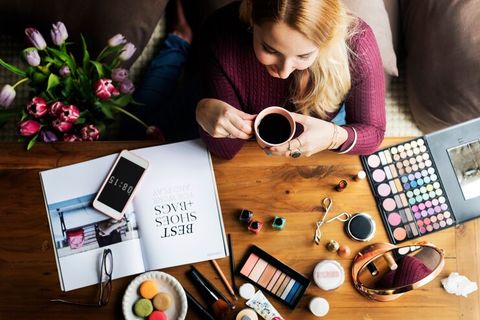
Understanding the makeup career path helps explain how creativity, technical skills, and communication come together in this field. It is not limited to artistic expression but also involves knowledge of products, skin types, and application techniques.
Importance
A makeup career is important because it combines creativity with practical applications that influence personal appearance and confidence. People from different backgrounds interact with makeup professionals for various purposes, including social events, media appearances, and daily grooming.
The relevance of beauty industry careers has increased due to changing lifestyle patterns and growing awareness of personal presentation. Makeup industry opportunities are now present in multiple sectors such as entertainment, fashion, and digital media.
This field addresses several real-world needs. For example, individuals preparing for events often seek professional makeup artist expertise, while media productions require consistent and camera-ready looks. The role of a freelance makeup artist has also expanded, allowing flexibility in work environments.
Makeup Career Path
The makeup career path can vary depending on individual interests and areas of specialization. Some people focus on artistic expression, while others work in structured environments.
Entry-Level Learning
Most individuals begin by learning basic makeup skills. This includes understanding skin tones, product types, and application methods.
Training and Practice
Makeup training programs provide structured learning. These programs often include practical sessions that help develop confidence and technique.
Specialization Areas
As experience grows, individuals may focus on specific areas such as:
- Bridal makeup and event preparation
- Fashion and editorial makeup
- Film and television production work
- Special effects and creative artistry
Work Formats
A makeup artist career can take different forms:
- Independent work as a freelance makeup artist
- Association with studios or production teams
- Participation in fashion and media events
Makeup Skills and Requirements
Developing strong makeup skills is essential for success in this field. These skills include both technical knowledge and interpersonal abilities.
Technical Skills
Technical knowledge involves understanding:
- Skin types and product compatibility
- Blending and color matching techniques
- Hygiene and application practices
Creative Skills
Creativity is a key part of cosmetic artistry. It involves adapting styles to suit different occasions and preferences.
Communication Skills
Clear communication helps in understanding client needs and expectations. This is important for delivering consistent results.
Makeup Industry Opportunities
The makeup industry offers a wide range of opportunities across different sectors.
Entertainment Industry
Makeup professionals are involved in film, television, and digital media productions. Their work ensures consistency and visual appeal.
Fashion Industry
Fashion shows and photo shoots require makeup artists to create looks that align with themes and designs.
Personal and Event Makeup
Many individuals seek makeup services for weddings, celebrations, and public appearances.
Digital Content Creation
Online platforms have created opportunities for makeup artists to share tutorials, demonstrations, and creative work.
Comparison of Makeup Career Options
| Career Type | Work Environment | Skill Focus | Flexibility Level |
|---|---|---|---|
| Freelance Makeup Artist | Independent settings | Versatility | High |
| Studio-Based Artist | Fixed locations | Consistency | Medium |
| Fashion Makeup Artist | Events and shoots | Creative styling | Medium |
| Media Makeup Artist | Film and television | Precision and continuity | Low to medium |
Recent Updates
The makeup industry is evolving with changes in technology and consumer preferences. Digital platforms are playing a significant role in shaping makeup career opportunities. Many professionals now use online channels to showcase their work and connect with audiences.
There is also an increasing focus on inclusive beauty practices. This includes a broader understanding of skin tones and diverse styles. Makeup training programs are adapting to include these aspects.
Another trend is the use of advanced tools and products that improve precision and efficiency. These developments continue to influence how makeup artists approach their work.
Laws or Policies
Makeup careers are influenced by general business and safety regulations, especially when working in professional environments.
Health and Hygiene Standards
Proper hygiene practices are important to ensure safe application of cosmetic products. This includes maintaining clean tools and workspaces.
Certification and Training
In some regions, formal training or certification may be required for certain roles within the beauty industry careers.
Workplace Guidelines
Professionals working in studios or production environments may need to follow specific guidelines related to safety and conduct.
These policies help maintain professional standards and ensure safe practices in cosmetic artistry.
Tools and Resources
Various tools and resources support individuals pursuing a makeup career.
Makeup Kits
A basic kit includes brushes, sponges, and a range of cosmetic products suited for different skin types.
Digital Platforms
Online platforms allow makeup artists to share their work and learn new techniques through tutorials.
Training Materials
Structured courses and manuals help in understanding makeup skills and techniques.
Practice Templates
Face charts and design templates are used to plan and visualize makeup looks before application.
FAQs
What is a makeup career?
A makeup career involves working in cosmetic artistry, applying makeup for different purposes such as events, media, and personal grooming.
How to start a makeup artist career?
Starting a makeup artist career usually involves learning basic makeup skills, practicing techniques, and gaining experience through training or real-world applications.
What skills are required for a professional makeup artist?
A professional makeup artist needs technical knowledge of products, creativity in styling, and communication skills to understand client needs.
What are common makeup industry opportunities?
Makeup industry opportunities include work in fashion, media production, events, and digital content creation.
Can someone work as a freelance makeup artist?
A freelance makeup artist works independently and can take on different types of assignments based on skills and availability.
Conclusion
A makeup career combines creativity, technical knowledge, and practical application. It offers multiple pathways within the broader beauty industry careers landscape. Understanding makeup skills, training, and industry opportunities helps clarify how individuals can engage with this field. As trends evolve, cosmetic artistry continues to adapt to new tools, platforms, and expectations.