Makeup artistry combines technical skill, creativity, and knowledge of skincare, color theory, lighting, and facial anatomy. From subtle everyday looks to bold runway statements or dramatic character transformations, makeup professionals play a key role in visual storytelling, personal presentation, and industry aesthetics.
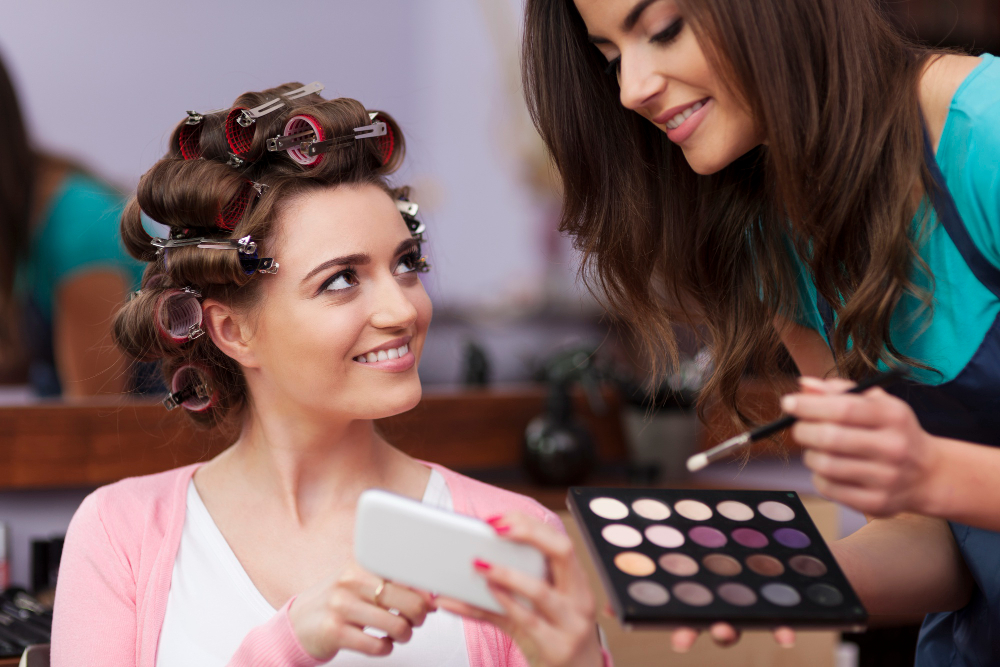
The career can be freelance, salon-based, or corporate (e.g., cosmetics companies), with opportunities ranging from individual client work to global brand collaborations.
Why Makeup Careers Matter Today
Makeup artistry continues to grow in relevance and demand. Here's why:
1. Expanding Beauty Industry
The global beauty industry is valued at over $600 billion (Statista, 2024), with makeup as a major segment. Demand for personal and professional beauty services is rising in cities and online.
2. Content Creation and Social Media
Platforms like Instagram, TikTok, and YouTube have reshaped the beauty landscape. Many MUAs build personal brands and reach audiences directly. This shift has expanded career paths beyond salons or sets to include education, reviews, and tutorials.
3. Self-Expression and Diversity
Makeup is increasingly seen as a form of personal expression. There is growing acceptance of diverse skin tones, genders, and styles in beauty, creating space for more inclusive careers.
4. Career Flexibility
This field offers part-time, full-time, freelance, and seasonal opportunities, making it suitable for various lifestyles and career goals.
5. Problem-Solving Value
Makeup artistry contributes to:
Boosting self-confidence for clients
Supporting creative industries (film, fashion)
Addressing skin concerns (camouflage makeup)
Transforming characters in media and theater
Recent Developments in the Makeup Industry (2024–2025)
1. Growth of Clean and Sustainable Beauty
Consumers increasingly seek eco-friendly and cruelty-free products. Makeup artists are now expected to be familiar with sustainable brands and ingredients.
2. Rise in Male and Non-Binary Makeup
There’s more visibility for male and gender-diverse makeup artists and clients, leading to new product lines and broader professional roles.
3. AI and Virtual Makeup Try-Ons
Brands like Sephora and L’Oréal now offer AI-based virtual try-ons, changing how MUAs consult and sell. Some professionals use apps to demo looks remotely.
4. Education Goes Digital
Online certification programs, webinars, and virtual masterclasses have become more common since the COVID-19 pandemic, continuing through 2024–2025.
5. Freelance Platforms Expand
Sites like Fiverr, Upwork, and Booksy are connecting freelance MUAs with global clients. Social media remains a core client acquisition tool.
Regulations, Licensing, and Government Programs
The legal and professional standards for makeup careers vary by country and sometimes by region. Here are common areas affected:
Licensing and Certification
| Country | License Needed? | Notes |
|---|---|---|
| USA | Yes (varies by state) | Often under cosmetology or esthetics |
| UK | No (but recommended) | Voluntary NVQ or diploma programs |
| Canada | Varies by province | Some provinces require certification |
| India | No official license | Private institutions offer training |
| Australia | No mandatory license | Accredited diploma courses available |
Note: Even when not legally required, completing a professional training program enhances credibility and job prospects.
Government Programs and Policies
Vocational Education: Many countries offer vocational programs under skill development schemes (e.g., India’s NSDC, Australia’s TAFE).
Small Business Grants: Freelance or salon-based artists can apply for startup assistance or women-led business grants.
Health and Safety Regulations: Especially relevant for MUAs in film and bridal sectors. Proper hygiene and sanitation practices are often mandated.
Helpful Tools and Resources for Makeup Professionals
Whether you’re just starting or building your brand, the following tools and platforms can help:
Learning and Certification
Online Academies: Udemy, MasterClass, QC Makeup Academy
Product-Specific Training: MAC Pro, Kryolan Academy, Bobbi Brown Education
YouTube Channels: NikkieTutorials, Wayne Goss, Hindash
Portfolio and Booking Tools
Canva: Design digital portfolios and pricing sheets
Squarespace/Wix: Build your own website
Booksy or Fresha: Appointment scheduling apps for beauty professionals
Instagram/TikTok: Marketing, showcasing, and networking
Practice and Trial Apps
Perfect365 or YouCam Makeup: Try-on apps to test looks or demonstrate ideas
Pinterest: Mood boards for client consultation and inspiration
Business Tools
Invoice and Booking Tools: HoneyBook, QuickBooks
Social Media Analytics: Later, Buffer
Freelance Platforms: Fiverr, Upwork (for virtual or destination services)
Frequently Asked Questions (FAQs)
1. Do I need a certification to become a makeup artist?
Answer: Not always. In countries like India and the UK, certification is not legally required but highly recommended. In the U.S., most states require a cosmetology or esthetics license. Certification helps build skills, trust, and professional credibility.
2. How long does it take to become a professional MUA?
Answer: It can take anywhere from 3 months to 2 years depending on the course type and intensity. Some basic workshops last a few weeks, while diploma programs may last a year or more.
3. What areas can I specialize in as a makeup artist?
Answer: Specializations include:
Bridal and Event Makeup
Fashion and Editorial
Film, TV, and Special Effects (SFX)
Theater and Stage
Face and Body Painting
Makeup Education and Influencing
4. What are the main challenges of this career?
Answer:
Inconsistent income (especially in freelance)
Long hours or seasonal work
Pressure to stay updated on trends
Competition in saturated markets
Managing hygiene, allergies, and client satisfaction
Career Overview Table
| Career Path | Typical Work Setting | Training Needed | Income Potential |
|---|---|---|---|
| Bridal Makeup Artist | Freelance, salons, studios | Certification/workshops | Medium–High |
| Editorial/Fashion MUA | Photoshoots, runway events | Advanced course | High |
| SFX/Film Makeup Artist | Film sets, production studios | Special effects training | High |
| Beauty Consultant | Retail stores, beauty brands | Basic makeup + sales | Medium |
| Content Creator/Influencer | Online platforms | No formal training | Varies widely |
Final Takeaway: Embracing Creativity and Growth
A makeup career is more than applying products—it’s about creativity, transformation, and expression. As the beauty industry evolves to embrace digital tools, diversity, and global trends, aspiring MUAs have more opportunities than ever.
Whether you're seeking flexible freelance work or aiming to work on high-end fashion sets, success in this field comes through continuous learning, practice, and adaptation.
For anyone passionate about beauty, color, and creativity, makeup artistry offers a rewarding path that balances skill, innovation, and personal impact.