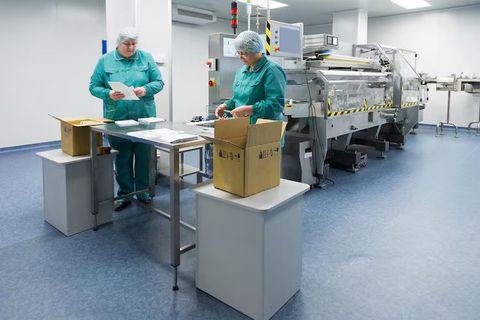
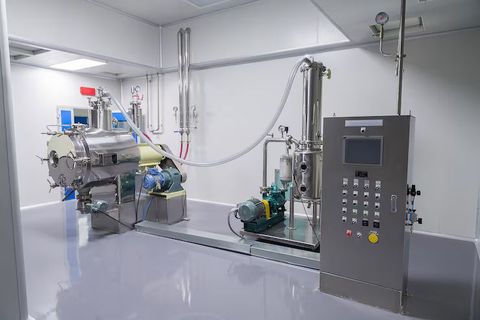
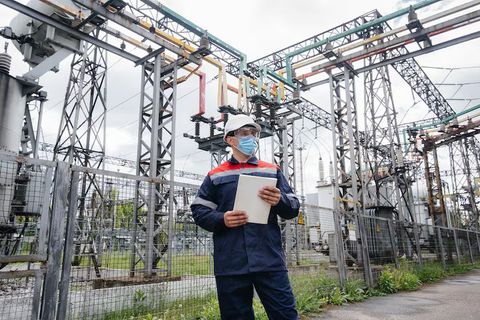
In traditional factories, many tasks rely on manual effort or isolated machines. In contrast, smart factories use sensors, software, and communication networks to allow machines and systems to interact with each other. This interaction helps monitor processes, identify issues, and adjust operations with minimal human intervention.
Industrial automation technologies include robotics, programmable logic controllers (PLCs), artificial intelligence, and the Internet of Things (IoT). Together, these technologies enable factories to operate more efficiently, reduce errors, and adapt to changing production needs. The idea emerged as industries looked for ways to handle increasing demand, improve consistency, and manage complex supply chains.
Importance
Smart factories and industrial automation technologies matter because they address several challenges faced by modern industries. As production demands grow and global competition increases, manufacturers need ways to improve efficiency without compromising quality.
One key benefit is improved productivity. Automated systems can perform repetitive tasks continuously, reducing downtime and increasing output. Another important factor is accuracy. Machines guided by software can carry out precise operations, lowering the risk of defects.
These technologies also affect workers and consumers in different ways. For workers, automation can shift roles from manual tasks to monitoring and managing systems. For consumers, it can result in more consistent products and faster production cycles.
Smart factories also help address environmental concerns. By optimizing energy use and reducing material waste, they contribute to more sustainable manufacturing practices. In addition, real-time monitoring allows companies to detect inefficiencies and adjust processes quickly.
Common challenges addressed include:
- Production delays: automated systems can operate continuously and adjust schedules.
- Quality inconsistencies: sensors and data analysis help maintain uniform standards.
- Resource waste: precise control reduces excess material usage.
- Safety risks: automation can handle hazardous tasks, reducing exposure for workers.
Recent Updates
Recent developments in smart factories and industrial automation technologies show a steady shift toward more connected and intelligent systems. One major trend is the increasing use of artificial intelligence to analyze production data and support decision-making.
Another development is the wider adoption of edge computing. Instead of sending all data to centralized systems, factories process information closer to the source. This reduces delays and allows faster responses to changes on the production floor.
Digital twins have also become more common. A digital twin is a virtual model of a physical system that allows manufacturers to simulate operations, test changes, and predict outcomes without interrupting real production.
Collaborative robots, often called cobots, are being used alongside human workers. These robots are designed to assist rather than replace humans, making it easier to combine manual skills with automated precision.
Cybersecurity has gained attention as well. As factories become more connected, protecting systems from unauthorized access is increasingly important. Organizations are focusing on secure communication protocols and regular system updates.
Laws or Policies
Smart factories and industrial automation technologies are influenced by various laws and policies, especially those related to safety, data protection, and industrial standards. Governments and regulatory bodies establish rules to ensure that automated systems operate safely and responsibly.
In many countries, workplace safety regulations require that automated machinery meets specific standards. These rules may include protective measures such as emergency stop functions, safe machine design, and proper training for operators.
Data protection laws also play a role. Since smart factories rely on large amounts of data, organizations must follow regulations on how data is collected, stored, and used. This includes protecting sensitive information from unauthorized access.
Environmental regulations influence how factories manage energy use and emissions. Automated systems can help meet these requirements by monitoring resource consumption and reducing waste.
In India, initiatives focused on digital transformation and manufacturing modernization encourage the adoption of industrial automation technologies. These programs aim to improve infrastructure, support innovation, and strengthen industrial capabilities.
Examples of Regulatory Areas
- Safety standards: guidelines for machine operation and worker protection
- Data governance: rules for handling and securing industrial data
- Environmental compliance: limits on emissions and resource usage
- Industry certifications: frameworks that ensure consistent quality and safety
Tools and Resources
A range of tools and resources support the implementation and understanding of smart factories and industrial automation technologies. These tools help monitor processes, analyze data, and manage production systems effectively.
Common Tools Used in Smart Factories
- Supervisory Control and Data Acquisition (SCADA): systems that monitor and control industrial processes in real time
- Manufacturing Execution Systems (MES): platforms that track and manage production activities
- Enterprise Resource Planning (ERP): software that integrates business processes such as inventory and planning
- Industrial IoT platforms: tools that connect devices and collect data from sensors
- Simulation software: applications used to model production processes and test scenarios
Example Comparison of Key Systems
| System Type | Main Function | Typical Use Case | Key Benefit |
|---|---|---|---|
| SCADA | Real-time monitoring | Tracking machine performance | Immediate visibility |
| MES | Production management | Scheduling and tracking work | Improved coordination |
| ERP | Business integration | Inventory and resource planning | Centralized data |
| IoT Platform | Device connectivity | Collecting sensor data | Enhanced insights |
| Simulation Tools | Process modeling | Testing production changes | Reduced disruption |
Educational resources such as online courses, technical documentation, and industry reports also help individuals understand these technologies. Many organizations publish guidelines and case studies that explain how automation systems are implemented in real-world settings.
FAQs
What are smart factories and industrial automation technologies?
Smart factories are manufacturing environments where machines, systems, and processes are connected through digital technologies. Industrial automation technologies include tools like robotics, sensors, and software that enable automated and efficient production.
How do industrial automation technologies improve efficiency?
These technologies reduce manual intervention, allowing machines to perform tasks consistently and quickly. They also use data analysis to identify inefficiencies and adjust processes in real time.
Are smart factories replacing human workers?
Smart factories change the nature of work rather than completely replacing it. Many roles shift toward monitoring systems, analyzing data, and maintaining equipment, while repetitive tasks are handled by machines.
What is the role of IoT in smart factories and industrial automation technologies?
The Internet of Things connects machines and devices, enabling them to share data. This connectivity allows real-time monitoring, predictive maintenance, and better coordination across production systems.
Are smart factories relevant for small and medium industries?
Yes, smaller industries can adopt selected automation technologies based on their needs. Scalable tools and modular systems make it possible to implement automation gradually.
Conclusion
Smart factories and industrial automation technologies represent a shift toward more connected and efficient manufacturing systems. By combining digital tools with physical operations, these systems help improve productivity, accuracy, and resource management. They also address challenges related to safety, sustainability, and changing production demands. As technology continues to evolve, these systems are likely to become more adaptable and widely used across different industries.