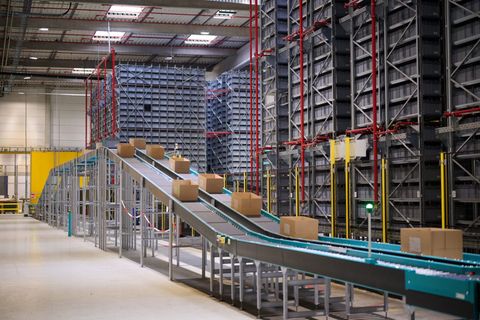
Historically, returns were handled manually at physical stores, often with face-to-face interaction. As online shopping expanded, return volumes increased significantly due to factors such as size mismatches, damaged items, incorrect orders, or changing customer preferences. Unlike in-store purchases, online customers cannot physically inspect products before buying, making returns more common.
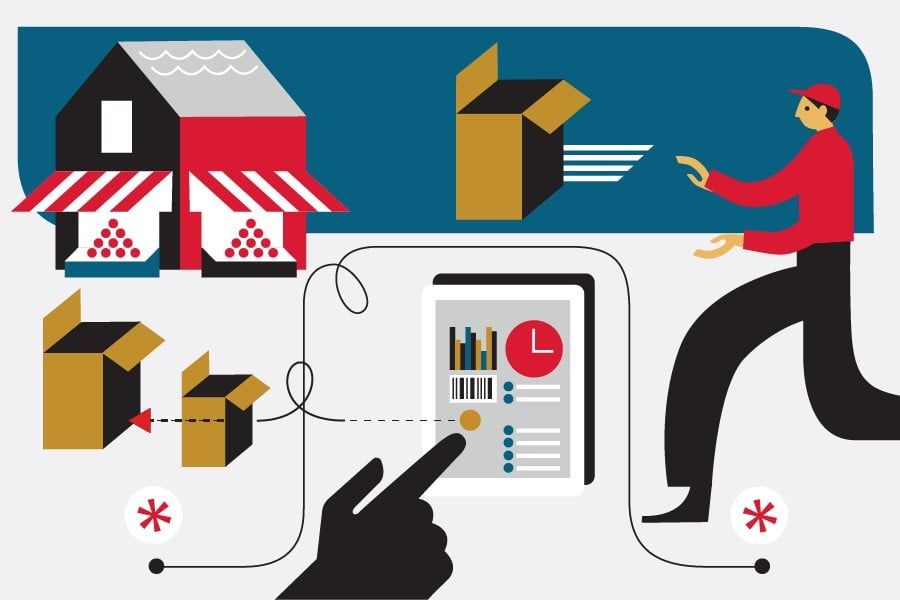
Effective return management developed to address these challenges in a structured and fair way. Businesses realized that how returns are handled has a strong influence on customer perception. A slow, confusing, or unfair return process can damage trust, while a clear and efficient process can strengthen customer confidence. Today, return management is seen not just as an operational task, but as an important part of the overall customer experience.
Importance – Why Effective Return Management Matters Today
Effective return management plays a key role in maintaining customer trust, operational efficiency, and long-term business sustainability.
Builds Customer Trust and Confidence
When customers know that returns will be handled fairly and transparently, they feel more comfortable making purchases, especially online.
Improves Customer Satisfaction
A smooth return process reduces frustration and helps customers feel respected, even when a product does not meet expectations.
Encourages Repeat Purchases
Customers are more likely to buy again from businesses that manage returns professionally and communicate clearly.
Reduces Negative Reviews and Complaints
Clear return policies and timely resolution help prevent disputes and negative feedback.
Supports Brand Reputation
How a business handles returns often reflects its commitment to customer care and accountability.
Benefits Multiple Stakeholders
Effective return management impacts:
-
Customers seeking refunds or replacements
-
Customer support teams
-
Warehouse and logistics operations
-
Inventory and finance teams
Solves Common Return-Related Problems
Strong return management helps address:
-
Delayed refunds
-
Confusing return instructions
-
Lost or untracked return shipments
-
Inventory mismatches
-
Customer dissatisfaction
As customer expectations continue to rise, return management has become a trust-building function rather than just a cost center.
Recent Updates – Trends and Developments in 2024–2025
Return management practices have evolved over the past year in response to changing shopping behaviors, technology adoption, and customer expectations.
More Transparent Return Policies (2024)
Businesses increasingly simplified and clarified return policies to reduce confusion and improve trust.
Automation of Return Requests
In 2024, more companies adopted automated return portals that allow customers to initiate returns without contacting support.
Faster Refund Processing
Organizations focused on reducing refund timelines to improve customer satisfaction and reduce support inquiries.
Data-Driven Return Analysis
Companies used analytics to identify common return reasons and improve product descriptions, sizing guides, and packaging.
Growth of Paperless and Digital Returns
Digital return labels and QR-based returns reduced paperwork and improved tracking efficiency.
Focus on Sustainable Returns
Some businesses introduced consolidated return shipping and smarter restocking to reduce environmental impact.
These trends show a shift toward faster, clearer, and more customer-friendly return management systems.
Laws or Policies – Regulations Affecting Return Management
Return management is influenced by consumer protection, e-commerce, and trade regulations designed to protect customer rights and ensure fair practices.
Consumer Protection Laws
Many regions require businesses to offer clear return, refund, or replacement options for defective or incorrect products.
E-commerce and Distance Selling Rules
Online sellers are often required to provide return rights within specific timeframes, especially for non-perishable goods.
Refund and Payment Regulations
Rules may specify how quickly refunds must be processed once a return is accepted.
Product Condition and Safety Policies
Certain products, such as electronics or personal care items, may have specific return conditions based on safety or hygiene.
Transparency and Disclosure Requirements
Businesses must clearly communicate return policies before purchase, avoiding misleading or hidden terms.
Compliance with these regulations helps protect customers while reducing legal and reputational risks for businesses.
Tools and Resources – Helpful Support for Return Management
Various tools and resources help businesses manage returns efficiently while maintaining a positive customer experience.
Useful Tools and Resources
| Tool / Resource | Purpose / Benefit |
|---|---|
| Return Management Systems (RMS) | Centralize and automate return processing |
| Customer Return Portals | Allow customers to initiate returns easily |
| Order and Inventory Management Tools | Track returned items and stock updates |
| Refund Processing Systems | Ensure timely and accurate refunds |
| Return Analytics Dashboards | Identify trends and improvement areas |
| Customer Communication Tools | Provide updates on return status |
| Policy Documentation Templates | Standardize return guidelines |
| Logistics Tracking Tools | Monitor return shipments in real time |
These resources help align operational efficiency with customer expectations.
FAQs – Clear and Factual Answers
What is return management?
Return management is the process of handling product returns, refunds, replacements, and restocking in an organized way.
Why is return management important for customer trust?
A clear and fair return process reassures customers that their concerns will be handled responsibly.
Does an easy return process increase returns?
While returns may increase slightly, an easy process often leads to higher customer loyalty and repeat purchases.
Are return policies legally required?
In many regions, consumer protection laws require businesses to offer returns under specific conditions.
How can businesses improve return management?
By simplifying policies, automating processes, communicating clearly, and tracking return data.
Final Thoughts
Effective return management is a critical component of customer trust in today’s competitive marketplace. Returns are not just operational challenges but moments that shape customer perception and loyalty. By implementing clear policies, efficient processes, and transparent communication, businesses can turn returns into opportunities to strengthen relationships rather than lose customers. As technology, regulations, and customer expectations continue to evolve, well-designed return management systems will remain essential for building trust, protecting brand reputation, and supporting sustainable business growth.