Learn About Laboratory Equipment: Instruments Used in Every Lab
Laboratory equipment includes the instruments, tools, and devices used to perform scientific testing, research, measurement, and analysis.
These tools are found in laboratories across healthcare, education, environmental science, manufacturing, pharmaceuticals, and many other industries. Understanding laboratory equipment helps people recognize how modern laboratories produce reliable and accurate results.
From simple glassware to advanced digital analyzers, laboratory instruments support a wide range of scientific activities. Whether someone is a student, researcher, or simply interested in science, learning about common laboratory equipment provides a better understanding of how experiments and testing are performed safely and consistently.
Context – What Laboratory Equipment Is, Background, and Purpose
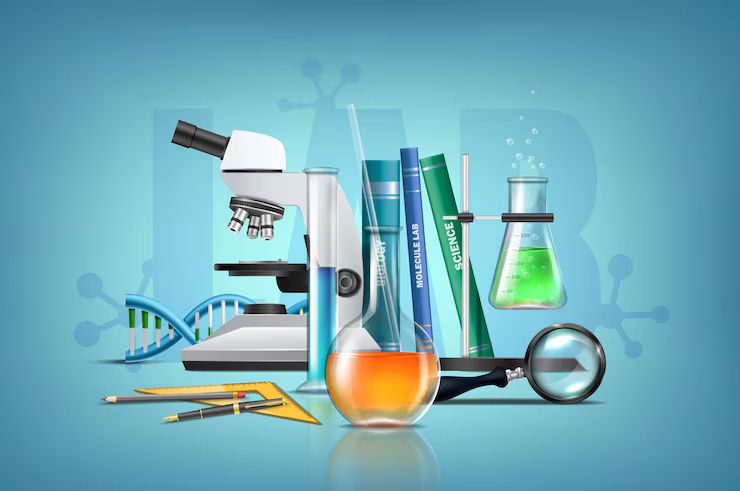
Laboratory equipment refers to the collection of instruments used to conduct experiments, measure samples, observe materials, and analyze data. Laboratories have existed for centuries, evolving from basic workspaces into highly specialized environments equipped with advanced technology.
The purpose of laboratory equipment is to help researchers and technicians perform scientific work with precision, repeatability, and safety. Different laboratories use different types of equipment depending on their field of study.
Common categories of laboratory equipment include:
- Measuring instruments
- Analytical instruments
- Heating equipment
- Glassware
- Safety equipment
- Sample preparation tools
- Digital monitoring devices
Many laboratory instruments are designed to minimize human error while improving accuracy during testing and research.
Common Laboratory Equipment
| Equipment | Primary Purpose | Common Applications |
|---|---|---|
| Microscope | Observe tiny objects | Biology, pathology, education |
| Centrifuge | Separate materials by density | Medical and research laboratories |
| Analytical Balance | Measure precise weight | Chemistry and pharmaceuticals |
| Spectrophotometer | Measure light absorption | Chemical and biological analysis |
| Incubator | Maintain controlled temperature | Cell culture and microbiology |
| Autoclave | Sterilize equipment | Healthcare and research |
| Pipette | Transfer small liquid volumes | Laboratory testing |
| pH Meter | Measure acidity or alkalinity | Environmental and chemical laboratories |
| Hot Plate | Heat samples | General laboratory procedures |
| Laboratory Refrigerator | Preserve samples | Clinical and research facilities |
Types of Laboratory Instruments
Laboratory instruments can be grouped into several categories.
- Analytical instruments for chemical analysis
- Optical instruments for observation
- Measuring instruments for accurate data collection
- Sterilization equipment for contamination control
- Storage equipment for sample preservation
- Digital monitoring systems for automated recording
Each category plays a different role within the laboratory workflow.
Importance – Why It Matters and Who It Affects
Laboratory equipment plays an important role in producing accurate scientific information. Reliable instruments support research findings, educational experiments, environmental monitoring, food testing, and medical diagnostics.
Many industries depend on laboratory equipment every day, including:
- Healthcare laboratories
- Pharmaceutical manufacturing
- Universities and research institutions
- Environmental monitoring agencies
- Food and beverage testing laboratories
- Agriculture research centers
- Industrial quality control laboratories
Properly maintained laboratory instruments help reduce measurement errors and improve consistency. Accurate equipment also supports compliance with quality standards and scientific best practices.
Students benefit by learning practical laboratory skills, while researchers depend on advanced laboratory equipment to investigate new discoveries. Healthcare professionals rely on laboratory instruments to assist in diagnostic testing and treatment planning.
Modern laboratories increasingly use digital technology that allows instruments to collect, store, and analyze data more efficiently than traditional manual methods.
Recent Updates – Trends and Developments from 2024–2026
Laboratory equipment continues to evolve with improvements in automation, digital technology, and sustainability. Between 2024 and 2026, several important trends have influenced laboratory operations across many sectors.
One significant development is the increased adoption of automated laboratory instruments. Automation reduces repetitive manual tasks while improving consistency in sample handling.
Artificial intelligence has also become more common in laboratory software. AI-assisted analysis helps researchers identify patterns within large scientific datasets while supporting faster interpretation of results.
Remote laboratory monitoring has expanded through connected sensors and cloud-based systems. These technologies allow laboratory personnel to monitor equipment performance from different locations.
Additional developments include:
- Energy-efficient laboratory equipment
- Smart calibration systems
- Improved laboratory information management systems (LIMS)
- Enhanced cybersecurity for connected laboratory devices
- Greater emphasis on sustainable laboratory practices
- Increased use of robotic sample handling
Manufacturers are also focusing on designing instruments that require less maintenance while improving measurement precision.
Laws or Policies – Relevant Rules, Regulations, or Government Policies
Laboratory equipment is commonly used within regulatory frameworks that help maintain safety, quality, and reliable scientific practices. The exact regulations vary by country and industry.
Several internationally recognized standards influence laboratory operations.
- ISO/IEC 17025 supports testing and calibration laboratory competence.
- Good Laboratory Practice (GLP) establishes principles for conducting laboratory studies.
- Good Manufacturing Practice (GMP) applies to laboratories supporting pharmaceutical and manufacturing activities.
- Occupational safety regulations help protect laboratory personnel from chemical, biological, and physical hazards.
Laboratories often establish internal policies covering:
- Equipment calibration schedules
- Preventive maintenance
- Instrument validation
- Documentation practices
- Chemical storage
- Waste management
- Staff safety training
Government agencies may require laboratories to maintain records showing that laboratory equipment is properly maintained and calibrated before being used for regulated testing.
Following established policies helps improve data reliability while supporting consistent laboratory operations.
Tools and Resources – Useful Websites, Calculators, Templates, or Platforms
Laboratory professionals frequently use digital tools to improve efficiency, documentation, and quality management.
Useful resources include:
- Laboratory Information Management Systems (LIMS)
- Equipment maintenance scheduling software
- Calibration record templates
- Laboratory inventory management platforms
- Scientific unit conversion calculators
- Chemical safety databases
- Laboratory notebook software
These resources assist with organizing laboratory activities while improving traceability and documentation.
Many educational institutions also provide online laboratory training materials that explain the proper use of common laboratory instruments and safety procedures.
FAQs
What is laboratory equipment?
Laboratory equipment includes instruments, tools, and devices used for scientific experiments, testing, measurement, research, and analysis across different laboratory environments.
What are the most common laboratory instruments?
Some of the most common laboratory instruments include microscopes, centrifuges, analytical balances, pipettes, incubators, autoclaves, spectrophotometers, pH meters, and laboratory refrigerators.
Why is laboratory equipment calibration important?
Calibration helps ensure that laboratory instruments produce accurate and reliable measurements. Regular calibration supports consistent scientific results and quality assurance.
Which industries use laboratory equipment?
Laboratory equipment is widely used in healthcare, pharmaceuticals, education, environmental science, agriculture, food testing, biotechnology, and industrial quality control.
How has laboratory equipment changed in recent years?
Recent developments include automation, artificial intelligence, digital monitoring, cloud-connected instruments, improved energy efficiency, and advanced laboratory data management systems.
Conclusion
Laboratory equipment forms the foundation of modern scientific research, testing, and education. From simple measuring tools to advanced analytical instruments, these technologies help laboratories produce dependable and accurate results.
As laboratory technology continues to develop, automation, digital connectivity, and improved quality management are shaping how laboratory work is performed across many industries.
Understanding laboratory instruments, applicable regulations, and current trends helps students, professionals, and the public appreciate the important role laboratories play in healthcare, science, environmental protection, and industrial innovation.

Related Post...

Atlassian Beginner’s Guide: Explore Essential Tools, Features, Workflows, and Resources
Updated: October 07, 2026
Read More