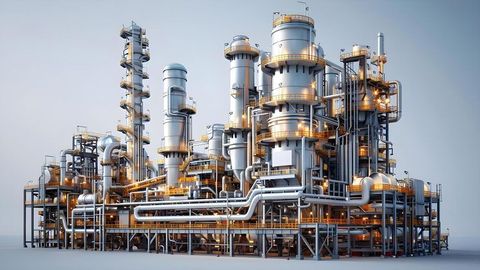
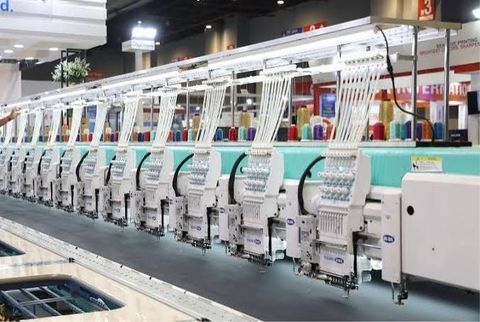
Industrial Production Equipment: Knowledge, Guide and Best Practices
Industrial production equipment forms the foundation of modern manufacturing. From small workshops to large-scale factories, these machines help produce goods with greater consistency, efficiency, and accuracy.
They are used across industries such as automotive, food processing, pharmaceuticals, electronics, construction, and packaging.
Understanding industrial production equipment is important for manufacturers, engineers, students, and business professionals. As technology continues to evolve, production equipment is becoming more connected, automated, and energy efficient, helping organizations improve productivity while meeting quality and environmental standards.
Context
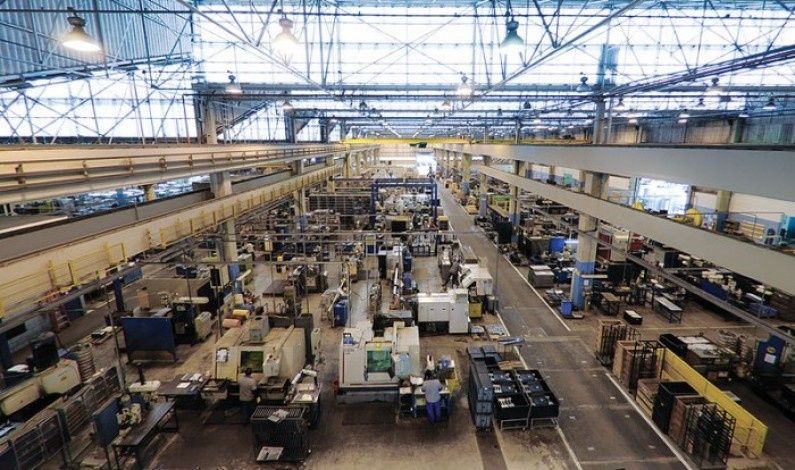
Industrial production equipment refers to machines, systems, and supporting technologies used to manufacture, assemble, process, inspect, and package products. These tools perform tasks that would otherwise require significant manual effort, making production faster and more consistent.
The development of industrial production equipment has evolved through several stages. Early factories relied heavily on mechanical machinery powered by steam and electricity. Today, modern production facilities integrate digital controls, robotics, sensors, and data analytics to improve operational performance.
Common categories of industrial production equipment include:
- CNC machines
- Industrial robots
- Conveyor systems
- Material handling equipment
- Packaging machines
- Assembly systems
- Inspection and testing equipment
- Process control systems
The primary purpose of this equipment is to improve production efficiency while maintaining consistent product quality and workplace safety.
Common Equipment Categories
| Equipment Type | Primary Purpose | Common Industries |
|---|---|---|
| CNC Machines | Precision machining | Automotive, Aerospace |
| Conveyor Systems | Material movement | Manufacturing, Warehousing |
| Industrial Robots | Automated production tasks | Electronics, Automotive |
| Packaging Equipment | Product packaging | Food, Consumer Goods |
| Inspection Equipment | Quality verification | Medical, Electronics |
| Material Handling Systems | Transport and storage | Logistics, Manufacturing |
Importance
Industrial production equipment supports manufacturing activities across nearly every sector of the global economy. Reliable equipment contributes to efficient production processes and helps manufacturers maintain consistent operational standards.
Its importance can be seen in several areas:
- Improves production consistency.
- Supports higher manufacturing output.
- Reduces manual handling of repetitive tasks.
- Enhances workplace safety through automation.
- Helps maintain product quality standards.
- Supports efficient resource utilization.
Many industries depend on industrial production equipment, including:
- Automotive manufacturing
- Food and beverage processing
- Pharmaceutical production
- Metal fabrication
- Chemical processing
- Textile manufacturing
- Electronics assembly
- Renewable energy manufacturing
Well-maintained equipment also contributes to reduced downtime and improved production planning. Regular inspections, preventive maintenance, and operator training play important roles in keeping machinery operating efficiently.
Recent Updates
The industrial production equipment sector has experienced significant technological progress between 2024 and 2026. Manufacturers are increasingly adopting digital technologies that improve monitoring, efficiency, and decision-making.
Smart Manufacturing and Automation
Smart factories continue to expand through the integration of:
- Industrial Internet of Things (IIoT)
- Artificial intelligence for predictive maintenance
- Machine learning for process optimization
- Digital twins for production simulation
- Cloud-based production monitoring
These technologies help manufacturers monitor equipment performance in real time and identify maintenance needs before unexpected failures occur.
Sustainability and Energy Efficiency
Environmental considerations have become an important focus in industrial production equipment design. Recent developments include:
- Energy-efficient motors
- Variable frequency drives
- Improved recycling systems
- Lower-emission production technologies
- Reduced material waste through precision manufacturing
Manufacturers are also investing in automation systems that optimize energy consumption during production cycles.
Another important trend is collaborative robotics, where robots work alongside human operators while following established safety requirements. This approach supports flexible manufacturing environments and improves productivity without replacing every manual process.
Laws or Policies
Industrial production equipment is subject to various national and international regulations designed to promote safety, environmental protection, and product quality. The specific requirements vary by country and industry.
Common regulatory areas include:
- Workplace safety standards
- Machinery safety requirements
- Electrical safety regulations
- Environmental compliance
- Occupational health requirements
- Quality management standards
Many manufacturers implement internationally recognized management systems such as quality management and environmental management frameworks to support consistent operations.
Organizations should also consider:
- Regular equipment inspections
- Preventive maintenance schedules
- Employee safety training
- Risk assessments
- Proper documentation of maintenance activities
- Compliance with local regulatory authorities
As automation becomes more common, cybersecurity policies are also becoming increasingly important to protect connected manufacturing systems from unauthorized access.
Tools and Resources
A variety of digital tools and educational resources help organizations better understand industrial production equipment and manufacturing processes.
Useful resources include:
- Equipment maintenance planning software
- Production scheduling platforms
- Energy consumption calculators
- Preventive maintenance templates
- Manufacturing performance dashboards
- Industrial safety checklists
Helpful learning resources include:
- Government manufacturing guidance portals
- Industry association publications
- Technical standards organizations
- Engineering education platforms
- Industrial automation training materials
When selecting tools, organizations often evaluate:
- Ease of implementation
- Compatibility with existing equipment
- Data reporting capabilities
- Maintenance tracking functions
- Security features
- Scalability for future production needs
Using reliable documentation and standardized maintenance procedures can improve equipment reliability and support long-term operational planning.
FAQs
What is industrial production equipment?
Industrial production equipment includes machines and automated systems used to manufacture, process, assemble, inspect, and package products across various industries.
Why is industrial production equipment important?
It supports efficient manufacturing, improves production consistency, enhances workplace safety, and helps maintain product quality throughout the manufacturing process.
Which industries commonly use industrial production equipment?
Automotive, pharmaceutical, food processing, electronics, construction, aerospace, chemical manufacturing, packaging, and metal fabrication industries all depend on industrial production equipment.
What are the latest trends in industrial production equipment?
Recent developments include smart manufacturing, Industrial Internet of Things (IIoT), predictive maintenance, artificial intelligence, collaborative robotics, digital twins, and energy-efficient machinery.
How can manufacturers improve equipment performance?
Organizations can improve performance through preventive maintenance, regular inspections, operator training, condition monitoring, proper documentation, and timely replacement of worn components.
Conclusion
Industrial production equipment remains an essential part of modern manufacturing by supporting efficient production, consistent quality, and safer industrial operations. Continuous advancements in automation, digital monitoring, and energy efficiency are shaping the future of manufacturing across many sectors.
Understanding the purpose, applications, regulations, and recent developments surrounding industrial production equipment helps organizations make informed operational decisions while supporting sustainable manufacturing practices.
As industries continue adopting smarter technologies, ongoing education, regular maintenance, and compliance with applicable regulations will remain important for achieving reliable and efficient production systems.

Related Post...
Pharmaceutical Machinery Guide to Production Equipment, Systems and Processes
Updated: September 21, 2026
Read More
Discover Packaging Machines: Useful Information About Modern Systems and Industry Trends
Updated: October 02, 2026
Read More
Confectionery Equipment Guide: Explore Types, Uses, Processes, and Modern Technology
Updated: September 22, 2026
Read More