Industrial Fasteners: Bolt Grades, Material Selection, and Manufacturing Information
Industrial fasteners are mechanical components used to securely connect two or more parts in machinery, equipment, buildings, vehicles, and manufactured products. Although they are often small compared with the structures they support, fasteners are essential for maintaining strength, stability, and long-term reliability in almost every engineering industry.
Understanding bolt grades, material selection, and fastener manufacturing helps engineers, technicians, manufacturers, maintenance professionals, and students choose fastening solutions that meet different mechanical and environmental requirements. The correct fastener improves safety, reduces maintenance requirements, and supports efficient assembly across industrial applications.
This guide explains the fundamentals of industrial fasteners, common bolt grades, material selection, manufacturing processes, recent developments, engineering standards, and useful technical resources using simple, educational language.
Context
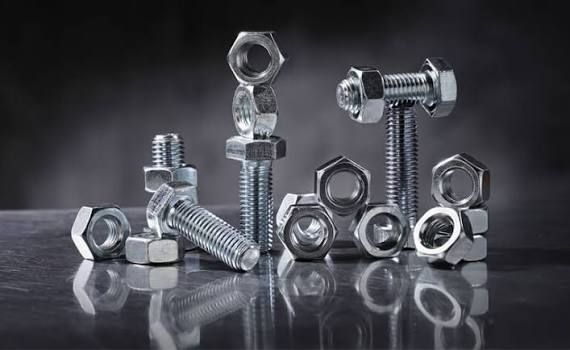
Industrial fasteners are hardware components designed to join materials either permanently or temporarily while allowing equipment and structures to perform safely under different operating conditions. Common fasteners include industrial bolts, screws, nuts, washers, rivets, anchors, pins, studs, and threaded rods. These components are manufactured using materials such as carbon steel, stainless steel, alloy steel, brass, aluminum, titanium, and engineered plastics, depending on the required mechanical properties and environmental conditions.
The use of fastening systems dates back thousands of years, evolving from simple wooden pegs and metal rivets into today's precision-engineered fastening technologies. Modern fastener manufacturing combines advanced production methods such as cold heading, hot forging, thread rolling, CNC machining, automated heat treatment, and digital quality inspection. These manufacturing processes produce highly consistent precision fasteners capable of meeting demanding industrial requirements.
Selecting the appropriate bolt grade and fastener material depends on several engineering factors, including tensile strength, yield strength, operating temperature, vibration, corrosion exposure, thread type, and maintenance requirements. Industries such as construction, automotive manufacturing, aerospace, renewable energy, mining, rail transportation, marine engineering, oil and gas, and heavy equipment manufacturing all specify fastening systems according to recognized engineering standards. Choosing the correct fastener helps improve structural integrity, equipment reliability, operational safety, and long-term performance while reducing the likelihood of premature mechanical failure.
Common Types of Industrial Fasteners
| Fastener Type | Primary Purpose | Typical Applications |
|---|---|---|
| Bolt | Connects components with a matching nut | Construction, heavy machinery |
| Screw | Fastens materials directly | Manufacturing, woodworking, electronics |
| Nut | Secures threaded bolts | Industrial equipment |
| Washer | Distributes load and protects surfaces | Mechanical assemblies |
| Rivet | Creates permanent joints | Aircraft, bridges |
| Anchor | Secures objects into concrete or masonry | Buildings, infrastructure |
| Pin | Aligns or locks moving parts | Industrial machinery |
| Stud | Provides threaded connections at both ends | Engines, turbines, heavy equipment |
Fasteners are available in numerous sizes, thread patterns, coatings, head designs, and material grades. Engineers select these characteristics based on load requirements, environmental exposure, maintenance needs, corrosion resistance, and compatibility with the connected materials.
Importance
Industrial fasteners are essential because they provide secure mechanical connections that allow equipment, structures, and manufactured products to operate safely and efficiently. From bridges and commercial buildings to production machinery and transportation systems, properly selected fasteners help maintain structural stability while supporting long-term reliability.
Many industries depend on standardized fastening systems, including:
- Construction and infrastructure
- Automotive manufacturing
- Aerospace engineering
- Renewable energy
- Marine equipment
- Oil and gas
- Industrial machinery
- Railway systems
- Medical equipment
- Consumer products
Selecting an unsuitable fastener may lead to joint loosening, corrosion, vibration damage, material fatigue, or reduced structural performance. For this reason, engineers carefully evaluate mechanical strength, environmental conditions, installation methods, maintenance requirements, and applicable engineering standards before selecting fastening components.
Fasteners also contribute to manufacturing efficiency by allowing products to be assembled, inspected, repaired, and maintained throughout their operational life. Standardized fastening systems improve component compatibility while simplifying maintenance and replacement procedures across different industries.
Material Selection
Selecting the appropriate fastener material is one of the most important decisions in mechanical design and manufacturing. Different materials provide different levels of strength, corrosion resistance, weight, temperature performance, and durability. Engineers evaluate the operating environment, expected loads, maintenance requirements, and compatibility with surrounding materials before selecting a fastening solution.
The most commonly used fastener materials include:
- Carbon Steel: Widely used for construction, industrial machinery, and structural applications because it provides good strength and durability.
- Stainless Steel: Commonly selected for marine, food processing, medical, and outdoor environments due to its corrosion resistance.
- Alloy Steel: Often used for high-strength bolts in heavy equipment, mining, bridges, and energy infrastructure where greater mechanical performance is required.
- Brass: Suitable for decorative hardware, plumbing, and electrical applications because of its corrosion resistance and conductivity.
- Aluminum: Lightweight and corrosion resistant, making it useful in transportation, aerospace, and consumer products.
- Titanium: Combines high strength with low weight and excellent corrosion resistance for demanding aerospace, medical, and chemical processing applications.
- Engineered Plastics: Used where electrical insulation, lightweight construction, or chemical resistance is important.
Choosing the correct material improves equipment reliability, extends component life, and reduces maintenance requirements throughout the product's operating life.
Bolt Grades Overview
Bolt grades identify the mechanical strength of bolts and help engineers select components suitable for different load conditions. Higher-grade bolts generally provide greater tensile strength and are commonly used in demanding industrial applications.
| Bolt Grade | Typical Material | Common Applications |
|---|---|---|
| Grade 2 | Low Carbon Steel | General maintenance and light-duty assemblies |
| Grade 5 | Medium Carbon Steel | Automotive equipment and machinery |
| Grade 8 | Alloy Steel | Heavy equipment, structural machinery, industrial applications |
| ASTM A325 | High-Strength Structural Steel | Steel buildings and bridges |
| ASTM A490 | Heat-Treated Alloy Steel | Heavy structural construction |
Selecting the correct bolt grade depends on load requirements, safety factors, operating conditions, and applicable engineering standards.
Recent Updates
The industrial fastener industry has continued evolving between 2024 and 2026 as manufacturers adopt new production technologies and materials to improve product quality and manufacturing efficiency.
Several notable developments include:
- Increased production of lightweight fasteners for electric vehicles, renewable energy equipment, and aerospace manufacturing.
- Greater use of advanced corrosion-resistant coatings that improve durability in marine, chemical, and outdoor environments.
- Expanded adoption of automated manufacturing systems, robotic inspection, and AI-assisted quality control to improve dimensional accuracy and production consistency.
- Continued growth of digital manufacturing and smart factory technologies that support real-time production monitoring and material traceability.
- Increased focus on environmentally responsible manufacturing through recyclable materials, improved energy efficiency, and waste reduction initiatives.
- Broader implementation of barcode, RFID, and digital inventory management systems to improve inventory tracking and maintenance planning across industrial facilities.
These developments continue to improve manufacturing precision while supporting more reliable fastening solutions across construction, transportation, industrial equipment, and infrastructure projects.Laws or Policies
Industrial fasteners used in the United States are commonly manufactured and tested according to nationally and internationally recognized engineering standards that promote quality, safety, compatibility, and consistent mechanical performance.
Common standards include:
- ASTM International material and mechanical specifications for industrial fasteners.
- SAE standards widely used within the automotive and heavy equipment industries.
- ANSI engineering standards supporting dimensional consistency.
- ASME standards covering mechanical design and fastening practices.
- ISO metric fastener standards used globally across manufacturing industries.
- DIN standards that continue to influence many international engineering specifications.
Many construction, transportation, energy, and infrastructure projects require compliance with these standards during design, manufacturing, installation, inspection, and maintenance.
Manufacturers also frequently implement ISO 9001 Quality Management Systems to support consistent production, documented quality procedures, inspection processes, and product traceability.
Environmental regulations increasingly encourage manufacturers to improve material efficiency, reduce emissions, minimize production waste, and adopt more sustainable manufacturing practices while maintaining product quality and engineering performance.
Organizations should always verify the engineering standards and regulatory requirements applicable to their industry, project specifications, and geographic location before selecting industrial fasteners.

Related Post...

Packaging Machinery Guide: Automated Packaging Systems, Equipment, and Production Planning
Updated: September 11, 2026
Read More
Industrial Switchgear Guide: Electrical Protection Systems, Components, and Facility Planning
Updated: September 11, 2026
Read More
Commercial Kitchen Equipment Guide: Foodservice Systems, Equipment, and Facility Planning
Updated: September 09, 2026
Read More