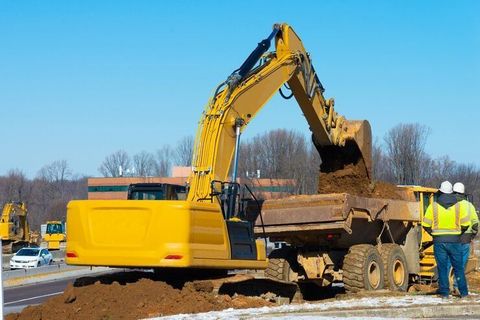
Industrial Equipment Types Uses and Selection Guide
Industrial equipment supports manufacturing, processing, material handling, packaging, and other large-scale industrial activities. It includes machinery, tools, machines, control systems, and specialized components used in factories and industrial facilities.
Industrial equipment manufacturers develop products for different applications, while industrial equipment suppliers and distributors help businesses identify and obtain suitable machinery. The equipment required depends on the production process, facility size, materials, and operational requirements.
From small workshop machines to heavy industrial equipment, these systems perform tasks that support industrial production and daily operations.
Importance of Industrial Equipment
Industrial equipment is an important part of modern manufacturing and industrial infrastructure. It helps facilities carry out repetitive tasks, process raw materials, move products, and manage production activities.
Production support: Industrial production equipment performs activities such as cutting, forming, assembling, mixing, and packaging. These machines support different stages of manufacturing.
Processing applications: Industrial processing equipment is used in industries such as food processing, chemicals, pharmaceuticals, plastics, and metal production. It may include mixers, reactors, grinders, filters, and heat-treatment systems.
Material handling: Conveyors, cranes, forklifts, hoists, and lifting systems help move materials within factories, warehouses, and production facilities.
Automation: Industrial automation equipment uses sensors, controllers, robotics, and programmed systems to manage selected production activities.
Operational consistency: Properly selected and maintained equipment helps businesses follow defined production procedures and maintain consistent operating conditions.
Types of Industrial Equipment
Industrial equipment is available in several categories. Each category has specific functions and applications depending on the manufacturing process and industrial environment.
Manufacturing and Production Equipment
Industrial manufacturing equipment is used to produce, shape, assemble, and finish products. These machines are common in automotive, electronics, metalworking, textile, and consumer goods industries.
Examples include CNC machines, milling machines, lathes, industrial presses, welding machines, injection molding machines, and cutting systems. Their specifications vary according to material type, production volume, accuracy requirements, and manufacturing processes.
Heavy Industrial Equipment
Heavy industrial equipment is designed for demanding operations involving large materials, substantial loads, or continuous industrial processes.
Common examples include industrial boilers, large compressors, hydraulic presses, heavy-duty pumps, industrial generators, and mining machinery. Such equipment may be used in steel plants, power facilities, construction material production, and mining operations.
Industrial Processing Equipment
Industrial processing equipment changes the physical or chemical properties of materials during production. It is used in industries that manufacture chemicals, food products, beverages, plastics, and other processed materials.
Examples include industrial mixers, crushers, separators, reactors, dryers, filtration systems, and heat exchangers. The appropriate equipment depends on the material being processed and the required production conditions.
Industrial Automation Equipment
Industrial automation equipment helps control and coordinate manufacturing activities. It can reduce the need for manual operation in selected processes and support monitoring of production systems.
Examples include programmable logic controllers (PLCs), industrial robots, sensors, variable frequency drives, control panels, and human-machine interfaces. These technologies are often integrated into production lines and industrial control systems.
Industrial Plant Equipment
Industrial plant equipment supports the operation of factories, processing facilities, and other industrial sites. It includes systems that provide utilities and maintain operating conditions.
Examples include pumps, compressors, boilers, cooling towers, air handling systems, generators, and water treatment equipment. These systems support production processes as well as facility operations.
Industrial Equipment by Industry
Different industries require different equipment based on their products, materials, and manufacturing methods.
| Industry | Common Industrial Equipment |
|---|---|
| Automotive | Robotic systems, welding machines, assembly lines |
| Food Processing | Mixers, conveyors, filling and packaging machines |
| Chemical | Reactors, pumps, filtration and separation systems |
| Metal Manufacturing | CNC machines, presses, furnaces and cutting equipment |
| Textile | Spinning, weaving, dyeing and finishing machines |
| Construction Materials | Crushers, concrete mixers and batching plants |
| Electronics | Pick-and-place machines, testing and assembly systems |
| Pharmaceutical | Mixing, granulation, drying and packaging equipment |
The equipment configuration may differ between facilities, even within the same industry, because production requirements and plant layouts are not identical.
How to Choose Industrial Equipment
Selecting suitable industrial equipment requires an understanding of the intended application and operating environment. Businesses generally compare technical specifications, compatibility, maintenance requirements, and supplier information before making a decision.
Identify the Application
First, determine the task the equipment must perform. This may involve manufacturing, material handling, processing, packaging, testing, or automation. A clear application helps narrow down the relevant equipment category.
Review Technical Specifications
Examine important details such as capacity, operating speed, power requirements, dimensions, material compatibility, and control features. These specifications should match the production process and facility infrastructure.
Consider Installation Requirements
Some industrial machines require special foundations, electrical connections, ventilation, cooling systems, or additional safety arrangements. Reviewing these requirements before installation can help avoid operational difficulties.
Evaluate Manufacturers and Suppliers
Industrial equipment manufacturers may specialize in particular machine categories or industries. Industrial machinery suppliers and industrial equipment distributors may provide access to different brands, product ranges, and technical documentation.
Businesses can compare industrial equipment companies based on product specifications, documentation, maintenance support, spare-parts availability, and experience with the relevant application.
Check Maintenance and Spare Parts
Industrial equipment requires planned maintenance to support reliable operation. Before selecting a machine, consider inspection schedules, replacement components, maintenance procedures, and the availability of industrial equipment spare parts.
Industrial Equipment Maintenance and Safety
Regular maintenance helps identify wear, damage, and performance issues before they interrupt operations. The maintenance approach should follow the manufacturer's instructions and the facility's safety procedures.
Important practices include:
Inspect machines and components at scheduled intervals.
Lubricate moving parts according to equipment instructions.
Check electrical connections, guards, and emergency stops.
Replace damaged or worn components when required.
Keep maintenance and inspection records.
Train operators in correct equipment use.
Follow appropriate shutdown and lockout procedures during maintenance.
Workers should use suitable protective equipment and follow workplace safety requirements. Equipment should not be operated when a known fault creates an unsafe condition.
Frequently Asked Questions
What are the main types of industrial equipment?
Major categories include manufacturing machinery, heavy industrial equipment, processing systems, automation equipment, material handling machines, and industrial plant equipment.
What do industrial equipment manufacturers produce?
Industrial equipment manufacturers produce machinery, production systems, processing machines, automation devices, and specialized equipment for different industrial applications.
What is the difference between industrial equipment suppliers and distributors?
Industrial equipment suppliers provide access to equipment and related products. Distributors typically represent or distribute products from particular manufacturers, although business roles can overlap.
What is industrial equipment procurement?
Industrial equipment procurement is the process of identifying requirements, evaluating manufacturers and suppliers, comparing specifications, and arranging the acquisition of equipment for industrial operations.
Why are industrial equipment spare parts important?
Spare parts are used to replace worn or damaged components during maintenance and repair. Their availability can help facilities manage equipment downtime and maintain operating systems.
Conclusion
Industrial equipment supports manufacturing, processing, automation, material handling, and industrial plant operations. Its categories range from production machinery and heavy equipment to specialized processing systems and control technologies.
Understanding equipment applications, technical specifications, maintenance requirements, and safety considerations helps businesses make informed decisions. Careful evaluation of industrial equipment manufacturers, suppliers, and distributors also supports the selection of machinery that matches specific operational needs.

Related Post...