The concept of chillers developed alongside industrial growth, where heat management became essential for maintaining efficiency and equipment stability. These systems are now part of many sectors, including manufacturing, food processing, and large building cooling systems. Understanding the difference between air cooled vs water cooled chillers helps explain how industries choose appropriate cooling methods.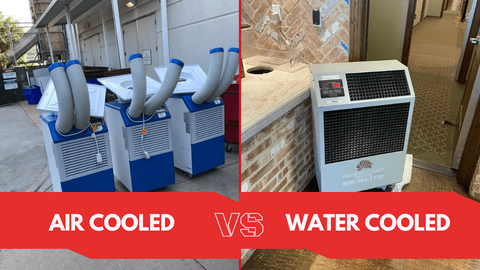
Air cooled chillers release heat into the air using fans, while water cooled chillers transfer heat through water systems. Both methods serve the same purpose but operate differently depending on environmental and operational conditions.
Importance
Chillers are important because many industrial processes generate heat that must be controlled to maintain consistent performance. Without proper cooling, equipment can overheat, leading to reduced efficiency and potential damage.
Industrial chillers are used in areas such as production facilities, commercial buildings, and data centers. They help maintain stable temperatures, which is necessary for both machinery and product quality.
The choice between air cooled chillers and water cooled chillers affects several practical factors:
- Energy usage: different systems consume energy in different ways
- Space requirements: some systems require more installation space
- Maintenance needs: system design influences upkeep requirements
- Environmental conditions: climate and water availability affect performance
Understanding chiller efficiency and cooling system comparison helps industries manage resources and maintain reliable operations.
Types of Industrial Chillers
Industrial chillers are broadly categorized based on how they release heat.
Air Cooled Chillers
Air cooled chillers use fans to move air across condenser coils, releasing heat into the atmosphere. These systems are typically installed outdoors.
- Suitable for areas with limited water availability
- Easier to install due to simpler infrastructure
- Common in small to medium industrial cooling systems
Water Cooled Chillers
Water cooled chillers use water to absorb and transfer heat. They usually require additional components such as cooling towers.
- Suitable for large-scale operations
- More stable performance in controlled environments
- Common in large HVAC chillers and industrial setups
Both types play an important role in chiller applications depending on operational needs.
Chiller Efficiency and Energy Use
Chiller efficiency refers to how effectively a system removes heat while using energy. It is an important factor in industrial cooling systems.
Factors Affecting Efficiency
Several elements influence chiller energy consumption:
- Ambient temperature: higher temperatures can reduce efficiency
- Load variation: changing cooling demand affects performance
- System design: configuration impacts energy usage
- Maintenance condition: well-maintained systems operate more efficiently
Energy Considerations
Air cooled chillers generally rely more on electrical energy for fans, while water cooled chillers use pumps and cooling towers. The overall energy usage depends on system size and operating conditions.
Understanding these differences helps in evaluating cooling system comparison between the two types.
Comparison of Air Cooled vs Water Cooled Chillers
| Feature | Air Cooled Chillers | Water Cooled Chillers |
|---|---|---|
| Cooling Method | Air-based heat rejection | Water-based heat transfer |
| Installation | Simpler setup | Requires cooling tower |
| Space Requirement | Outdoor placement | Indoor + external systems |
| Water Usage | Not required | Requires continuous water |
| Energy Pattern | Fan-driven | Pump and tower-driven |
| Application Scale | Small to medium | Medium to large |
This cooling system comparison highlights how each type fits different operational environments.
Chiller Applications
Industrial chillers are used in various sectors where temperature control is essential.
Manufacturing
Chillers help maintain machine temperatures and ensure consistent production quality.
Food and Beverage Processing
Cooling systems are used to preserve product quality and maintain safe processing conditions.
HVAC Systems
Large buildings use HVAC chillers to regulate indoor temperatures and maintain comfort.
Data Centers
Cooling systems are critical for preventing overheating in servers and electronic equipment.
These chiller applications demonstrate the wide role of industrial cooling systems in daily operations.
Recent Updates
Recent trends in industrial chillers focus on improving efficiency and reducing environmental impact. Many systems now include advanced controls that adjust performance based on real-time demand.
There is also increasing use of smart monitoring systems that track temperature, pressure, and energy usage. These technologies help improve chiller efficiency and reduce unnecessary energy consumption.
Another trend is the shift toward environmentally responsible refrigerants and improved system designs that align with sustainability goals. These developments are shaping how air cooled vs water cooled chillers are used in modern industries.
Laws or Policies
Industrial chillers are influenced by regulations related to energy efficiency, environmental protection, and safety.
Energy Efficiency Standards
Many countries have guidelines that define acceptable energy performance levels for HVAC chillers and industrial cooling systems.
Environmental Regulations
Rules may govern refrigerant usage, emissions, and water management practices, especially for water cooled chillers.
Safety Requirements
Systems must comply with operational safety standards to ensure safe handling and maintenance.
These policies aim to ensure that industrial chillers operate efficiently while minimizing environmental impact.
Tools and Resources
Several tools help in understanding and managing industrial chillers.
Energy Calculation Tools
These tools estimate chiller energy consumption and help compare system performance.
Monitoring Systems
Digital platforms track temperature, pressure, and operational data in real time.
Maintenance Checklists
Structured checklists help ensure regular inspection and proper system functioning.
Technical Guides
Documentation and manuals explain system design, operation, and troubleshooting methods.
These resources support better understanding and management of chiller applications.
FAQs
What is the difference between air cooled vs water cooled chillers?
Air cooled chillers use air to remove heat, while water cooled chillers use water systems for heat transfer. Each method is suited to different environments and operational needs.
Which industrial chillers are more energy efficient?
Chiller efficiency depends on factors such as system design, operating conditions, and maintenance. Both types can perform efficiently when properly configured.
What are common chiller applications?
Chiller applications include manufacturing, HVAC systems, food processing, and data centers where temperature control is required.
How does chiller energy consumption vary?
Chiller energy consumption varies based on system type, load conditions, and environmental factors such as temperature and humidity.
Are water cooled chillers suitable for all environments?
Water cooled chillers require a consistent water source and additional infrastructure, so their suitability depends on location and available resources.
Conclusion
Industrial chillers are essential components of modern cooling systems, helping manage heat in various environments. Air cooled chillers and water cooled chillers differ in design, efficiency, and application, making each suitable for specific conditions. Understanding chiller efficiency, energy use, and system requirements helps clarify their role in industrial operations. As technology evolves, these systems continue to adapt to changing demands and environmental considerations.