Indonesia Tour Package Guide for First-Time Travelers
Indonesia is an island nation in Southeast Asia known for its tropical beaches, volcanic landscapes, historic temples, traditional villages, and diverse cultures. With thousands of islands spread across a large area, the country offers different experiences for travelers interested in nature, history, food, and coastal activities.
Planning a first visit can feel challenging because destinations are spread across separate islands, and travel times vary depending on transport connections. Some visitors focus on Bali's beaches and cultural attractions, while others explore Jakarta's urban life, Yogyakarta's historic temples, or the natural landscapes of Lombok.
An Indonesia Tour Package can help organize accommodation, transport, sightseeing, and selected activities, depending on the itinerary. Understanding the main destinations, local customs, seasonal conditions, and travel arrangements can help first-time visitors prepare a comfortable and practical journey.
Why Visit Indonesia?
Indonesia combines natural variety with rich cultural traditions. Different islands have distinct languages, cuisines, architecture, and community practices. This means that a journey through one region may feel quite different from a visit to another.
Visitors can explore volcanic mountains, walk through rice terraces, relax on sandy beaches, discover historic religious sites, or visit local markets. Marine areas also attract people interested in snorkeling, diving, and observing underwater ecosystems.
Food is another important part of the experience. Regional dishes use ingredients such as rice, coconut, spices, vegetables, seafood, and grilled meats. Traditional markets and neighborhood eateries provide opportunities to learn about local cooking and daily life.
Because Indonesia covers a large geographical area, it is helpful to select a few destinations rather than attempting to visit many islands during a short trip.
Popular Destinations to Include in an Indonesia Tour Package
1. Bali: Beaches, Temples, and Rice Terraces
Bali is a familiar starting point for international travelers. The island combines coastal areas, Hindu temples, traditional villages, forest landscapes, and agricultural terraces.
Ubud is known for its art scene, local markets, surrounding rice terraces, and cultural attractions. Visitors can explore nearby villages or learn about traditional crafts. Coastal areas such as Sanur, Seminyak, and Nusa Dua provide different environments for beach walks, dining, and relaxation.
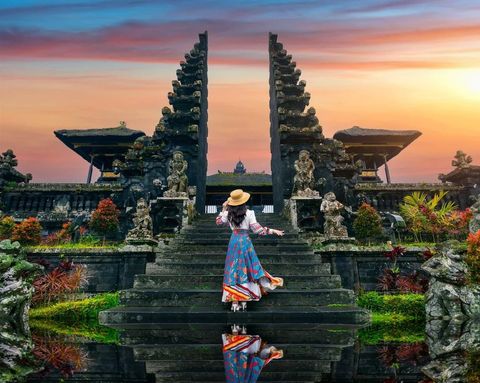
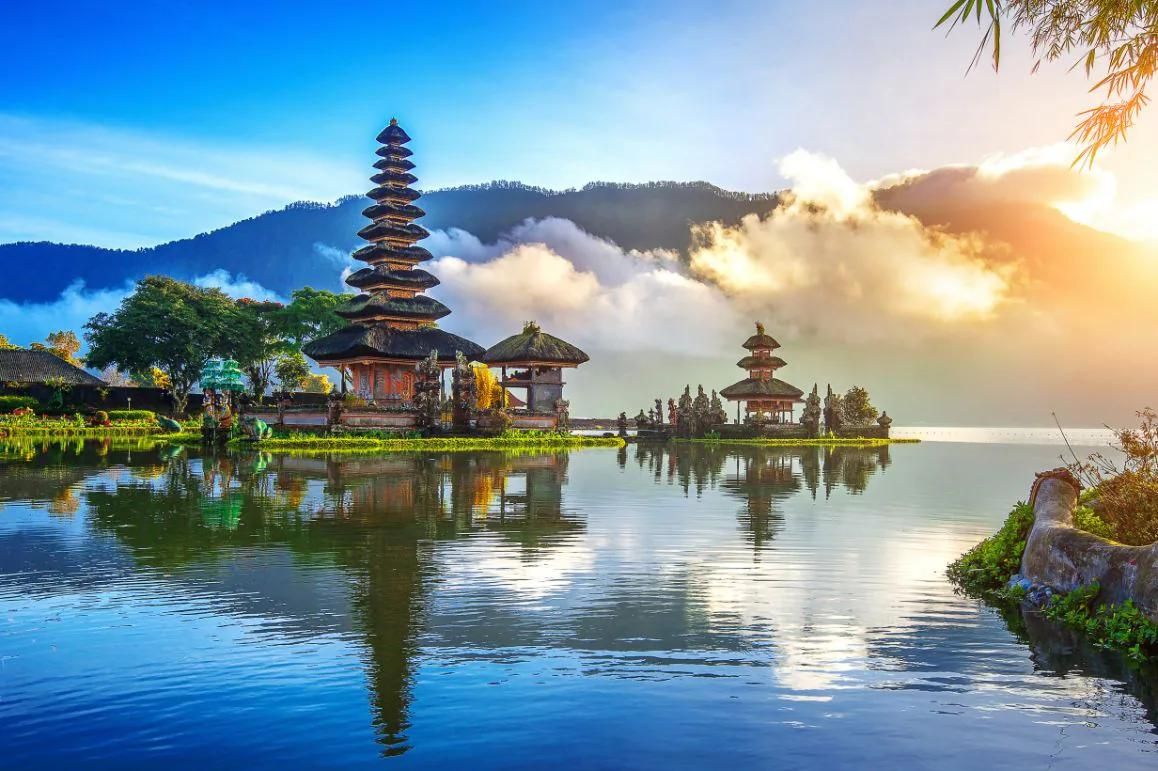
Temples are an important part of Balinese culture. Visitors may explore sites such as Tanah Lot or Uluwatu, while following local rules about clothing, photography, and religious activities.
Bali can suit travelers who want to combine cultural exploration with outdoor activities. Allowing enough time between locations is important because traffic conditions can affect road journeys.
2. Yogyakarta: Historic Temples and Javanese Culture
Yogyakarta, on the island of Java, is known for traditional arts, historic architecture, and access to important temple complexes.
Borobudur is a historic Buddhist monument featuring stone reliefs and multiple levels of carved structures. Prambanan is a Hindu temple complex recognized for its tall, pointed architecture. Both sites provide insight into Indonesia's religious and cultural history.
Visitors can also explore the city's traditional markets, local food areas, and cultural attractions associated with Javanese heritage. Batik workshops provide opportunities to learn about a textile tradition that remains important in the region.
Yogyakarta is a useful choice for travelers interested in history and culture. Check current entry arrangements and access rules before visiting major monuments.
3. Jakarta: Modern City Life and Museums
Jakarta is Indonesia's capital and a major urban center on Java. It offers a different atmosphere from the country's island destinations, with business districts, shopping areas, museums, historic neighborhoods, and varied food options.
The National Monument, commonly called Monas, is a recognizable city landmark. The old town area, Kota Tua, includes historic buildings and museums that reflect Jakarta's past.
Visitors can explore local markets, learn about Indonesian history, or sample regional dishes from different parts of the country. Traffic can be heavy, so travelers should allow additional time for road journeys and airport transfers.
Jakarta may suit visitors who want an urban introduction to Indonesia or need a transport connection before continuing to another destination.
4. Lombok: Coastal Scenery and Outdoor Activities
Lombok lies east of Bali and offers beaches, traditional communities, and mountain landscapes. It can provide a quieter alternative for travelers interested in nature and outdoor exploration.
Mount Rinjani is a major feature of the island and attracts experienced hikers. Trekking requires careful preparation, appropriate equipment, and attention to local rules and weather conditions. Guided arrangements may be necessary for certain routes.
Coastal areas provide opportunities for swimming, beach walks, and boat trips, although sea conditions should always be checked before entering the water or arranging transfers.
Lombok can be combined with Bali, but travelers should consider ferry or flight schedules and leave room for possible delays.
5. Komodo National Park: Wildlife and Marine Landscapes
Komodo National Park, in eastern Indonesia, is known for its distinctive landscapes, marine habitats, and Komodo dragons. Visitors may explore selected islands through organized boat excursions, depending on park rules and weather conditions.
The surrounding waters contain coral reefs and diverse marine life, making the region of interest to snorkeling and diving enthusiasts. Activities should follow local conservation guidelines to reduce disturbance to wildlife and fragile habitats.
Because access often involves boat travel, visitors should check departure arrangements, safety equipment, weather forecasts, and current park regulations before planning an excursion.
This destination may be more suitable for travelers who have additional time and want to explore Indonesia beyond its more frequently visited islands.
Choosing the Right Season for Your Trip
Indonesia has a tropical climate, but weather conditions differ between regions and elevations.
Dry season: Many popular destinations, including Bali and parts of Java, generally experience drier conditions during the middle months of the year. This period can suit sightseeing and outdoor activities, although local conditions may vary.
Rainy season: Rainfall increases in many areas during the wetter months, often from around November to March in parts of western Indonesia. Heavy rain can affect road travel, hiking, and boat schedules.
Mountain conditions: Higher elevations may be cooler than coastal areas. Weather can change quickly, particularly on volcanic mountains, so hikers should check forecasts and follow local guidance.
Travelers should research the specific island and activities they plan to visit rather than relying on one national weather pattern. Flexible scheduling is helpful when boat journeys or outdoor excursions are involved.
How to Plan Your Indonesia Tour Package
Decide How Many Destinations to Visit
For a first visit of about one week, focusing on Bali or combining Yogyakarta with a limited number of nearby attractions may keep travel manageable. A longer trip could include multiple islands, provided there is enough time for transfers and rest.
Avoid planning too many destinations on consecutive days. Each island may require additional flights, ferry journeys, or road transfers.
Compare Transport Arrangements
Domestic flights connect many major destinations, while ferries and boats link selected islands. Trains operate on parts of Java, and buses or private road transfers can support travel within individual regions.
Check departure points, baggage rules, transfer times, and cancellation conditions before confirming connections. Allow extra time when separate tickets are involved.
Review Accommodation and Included Activities
Compare accommodation location, room arrangements, transport, meal inclusions, and the activities listed in the itinerary. Check whether entrance tickets, airport transfers, boat trips, and local guides are included or arranged separately.
Read booking conditions carefully and confirm the arrangements for weather-related changes.
Check Entry Requirements
Passport validity, visa requirements, and arrival procedures depend on nationality and travel circumstances. Check current requirements through official Indonesian immigration information before departure.
Travel insurance may help with certain medical emergencies or trip disruptions, depending on the policy. Review its coverage and confirm whether planned activities are included.
Indonesian Food, Culture, and Responsible Travel
Indonesian cuisine varies between islands and communities. Dishes such as nasi goreng, satay, gado-gado, and rendang are widely known, although preparation and ingredients differ by region.
Travelers can explore food markets, attend cooking classes, or visit local eateries to understand regional traditions. People with food allergies should explain their requirements clearly and ask about ingredients and preparation methods.
Indonesia also has diverse religious and cultural practices. When visiting temples, mosques, or other religious places, follow clothing guidelines, remove footwear where instructed, and respect restrictions during ceremonies.
Responsible travel includes avoiding litter, respecting local communities, and following conservation guidance around wildlife and marine environments. Visitors should avoid disturbing animals or removing natural materials from protected areas.
Practical Tips for First-Time Visitors
Pack for tropical weather: Lightweight clothing, sun protection, and rainwear can be useful.
Carry suitable footwear: Comfortable shoes help with city walks, temple visits, and outdoor excursions.
Plan transfers carefully: Island journeys may take longer than expected when road travel and boat connections are combined.
Keep local currency available: The Indonesian rupiah is the national currency, and payment methods vary by location.
Check connectivity: Mobile coverage and internet access can differ between cities, rural areas, and remote islands.
Respect local guidance: Follow safety instructions for beaches, hiking routes, boats, and protected areas.
Conclusion
Indonesia offers a wide range of experiences, from Bali's temples and beaches to Yogyakarta's historic monuments, Jakarta's urban attractions, Lombok's landscapes, and Komodo National Park's wildlife habitats.
An Indonesia Tour Package can help first-time travelers coordinate destinations, transport, accommodation, and selected activities according to their interests and available time. Careful planning is especially important because travel between islands can require additional arrangements.
By checking seasonal conditions, understanding local customs, reviewing entry requirements, and allowing enough time for transfers, visitors can prepare a practical itinerary and experience Indonesia at a comfortable pace.

Related Post...


Explore the Benefits of Spa Resort Wellness Packages for Mind and Body Care
Updated: May 01, 2026
Read More
Switzerland Tour Package: Explore Alpine Beauty and Unforgettable Swiss Experiences
Updated: October 09, 2026
Read More