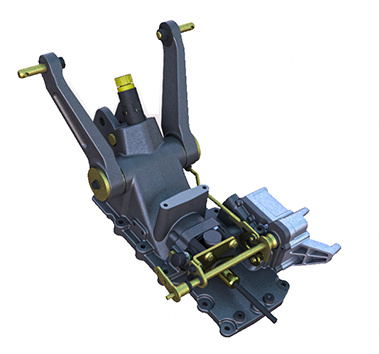
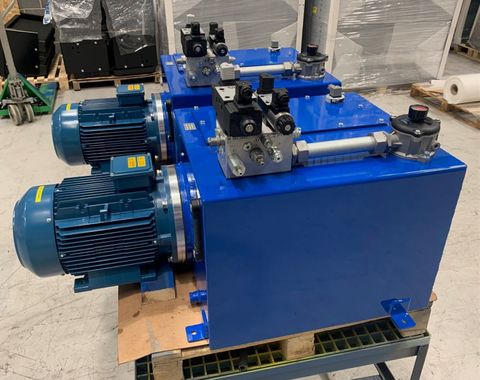
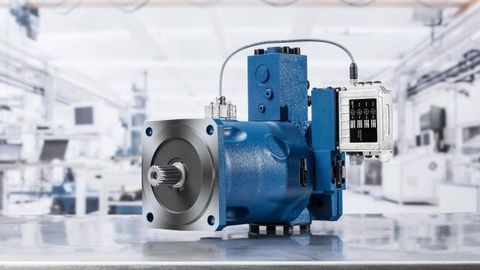
The concept of hydraulic systems comes from the scientific principle known as Pascal’s Law, which explains how pressure applied to a confined fluid is transmitted equally in all directions. This principle allows relatively small input forces to produce significantly larger output forces, making hydraulic technology suitable for lifting, pressing, and moving heavy loads.
Hydraulic power technology is commonly found in:
-
Construction machinery such as excavators and loaders
-
Industrial presses and manufacturing equipment
-
Aircraft control systems
-
Automotive braking systems
-
Material handling equipment
Because of its high power density and precise control capability, hydraulic engineering continues to play a vital role in modern industrial infrastructure.
Why Hydraulic Power Systems Matter in Modern Industries
Hydraulic power systems remain essential in modern engineering because they provide reliable, controllable, and efficient force transmission. In many industrial processes, electric or mechanical systems alone cannot deliver the same level of controlled force required for heavy operations.
Several industries rely heavily on hydraulic fluid power systems to maintain operational efficiency and equipment performance.
Key areas where hydraulic technology is important include:
-
Industrial automation systems used in factories
-
Construction equipment engineering for lifting and digging operations
-
Manufacturing process control in metal forming and molding
-
Aerospace hydraulic control systems for flight control mechanisms
-
Agricultural machinery technology for tractors and harvesting equipment
Hydraulic power also offers advantages such as:
-
High force generation relative to system size
-
Smooth and precise motion control
-
Reliable operation in demanding environments
-
Ability to transmit power over distance using pipelines
The table below summarizes typical industrial applications of hydraulic systems.
| Industry Sector | Example Hydraulic Applications |
|---|---|
| Construction Engineering | Excavators, cranes, loaders |
| Manufacturing Technology | Hydraulic presses, injection molding |
| Aerospace Systems | Landing gear control, flight control actuators |
| Automotive Engineering | Brake systems, power steering |
| Agriculture Equipment | Tractor attachments, harvest machinery |
Because industries continue to increase automation and equipment efficiency, hydraulic system design remains a critical engineering discipline.
Recent Developments in Hydraulic Technology
In recent years, hydraulic power systems have evolved alongside digital engineering and smart manufacturing technologies. Between 2024 and early 2026, several trends have influenced how hydraulic systems are designed and monitored.
One major development is the integration of sensor-based monitoring and predictive maintenance. Many modern hydraulic systems now include pressure sensors, temperature sensors, and flow monitoring devices connected to industrial control systems.
These technologies allow engineers to monitor:
-
Fluid pressure levels
-
Pump efficiency
-
Leakage detection
-
Temperature fluctuations
-
Energy consumption patterns
Another emerging trend is the adoption of electro-hydraulic control systems, which combine electronic controllers with hydraulic actuators. This integration improves system precision and allows programmable motion control.
Recent research in energy-efficient hydraulic systems has also focused on reducing fluid power losses and improving pump performance. Variable displacement pumps and load-sensing hydraulic circuits are increasingly used in advanced industrial equipment.
The following chart illustrates common modernization trends in hydraulic engineering.
| Hydraulic Technology Trend | Description |
|---|---|
| Smart Hydraulic Sensors | Real-time monitoring of pressure and temperature |
| Electro-Hydraulic Control | Integration of electronics with fluid power |
| Energy Efficient Pumps | Improved variable displacement pump systems |
| Predictive Maintenance | Data-driven equipment monitoring |
| Industrial Automation Integration | Hydraulic systems connected with PLC controllers |
These innovations allow hydraulic technology to remain competitive in industries transitioning toward digital manufacturing and Industry 4.0 environments.
Regulations and Engineering Standards Related to Hydraulic Systems
Hydraulic power systems operate in industrial environments where safety, environmental protection, and engineering reliability are critical. As a result, several international standards and regulatory frameworks influence hydraulic system design and operation.
In many countries, industrial hydraulic equipment must follow technical standards related to pressure systems, fluid safety, and equipment certification.
Common regulatory frameworks include:
-
ISO hydraulic system standards covering fluid power components and design practices
-
Occupational safety regulations for industrial machinery and pressure equipment
-
Environmental regulations related to hydraulic fluid disposal and leak prevention
-
Industrial safety codes for manufacturing equipment operation
For example, the International Organization for Standardization (ISO) publishes several hydraulic engineering standards such as:
-
ISO 4413 for hydraulic fluid power systems
-
ISO 1219 for hydraulic system symbols and diagrams
-
ISO 4406 for hydraulic fluid contamination classification
Governments and industrial safety agencies often require companies to follow these guidelines when designing or operating hydraulic machinery.
Compliance with safety regulations helps reduce risks associated with:
-
High-pressure fluid leaks
-
Equipment failures
-
Environmental contamination
-
Worker safety hazards
As industries modernize equipment, regulatory standards continue to evolve to support safer hydraulic system operation.
Helpful Tools and Learning Resources for Hydraulic Systems
Understanding hydraulic power systems often requires a combination of theoretical knowledge and practical tools. Engineers, students, and technicians frequently rely on specialized resources to analyze hydraulic circuits and system performance.
Several tools and platforms support learning and design in the field of hydraulic engineering.
Useful resources include:
• Hydraulic system simulation software
• Fluid power engineering calculators
• Industrial automation training platforms
• Technical documentation libraries
• Engineering standards databases
Common digital resources include:
-
MATLAB Simscape Fluids for hydraulic system modeling
-
Automation Studio for hydraulic circuit design and simulation
-
Engineering Toolbox for hydraulic calculations and reference tables
-
Fluid power learning portals used in technical education
The following table shows examples of tools used for hydraulic system analysis.
| Tool Type | Purpose |
|---|---|
| Hydraulic Pressure Calculator | Estimate pressure and force relationships |
| Flow Rate Calculator | Analyze fluid movement in pipelines |
| Circuit Simulation Software | Design and test hydraulic systems |
| Industrial Sensor Monitoring Tools | Track system performance in real time |
These tools help engineers understand how pressure, flow, and fluid properties influence system efficiency.
Common Questions About Hydraulic Power Systems
What is a hydraulic power system?
A hydraulic power system is a mechanical system that uses pressurized fluid to transmit energy and perform work. It typically includes a pump, reservoir, valves, actuators, and pipelines that control the flow and pressure of hydraulic fluid.
What are the main components of hydraulic systems?
Typical hydraulic systems contain several key components:
-
Hydraulic pump
-
Fluid reservoir
-
Control valves
-
Hydraulic cylinders or motors
-
Pipes and hoses
-
Filters and cooling units
Each component plays a role in controlling fluid movement and converting hydraulic energy into mechanical motion.
Why are hydraulic systems used in heavy machinery?
Hydraulic systems are capable of producing very large forces using relatively compact equipment. This makes them suitable for heavy lifting, pressing, and moving operations commonly required in construction machinery and industrial manufacturing equipment.
How does Pascal’s Law apply to hydraulic systems?
Pascal’s Law states that pressure applied to a confined fluid is transmitted equally in all directions. Hydraulic systems use this principle to multiply force, allowing small input forces to generate larger output forces through differences in piston area.
What factors influence hydraulic system efficiency?
Several factors affect hydraulic system performance:
-
Fluid viscosity and temperature
-
Pump efficiency
-
Leakage in valves or seals
-
Pipeline friction losses
-
Proper system maintenance
Monitoring these factors helps maintain consistent hydraulic performance in industrial equipment.
Conclusion
Hydraulic power systems remain a fundamental technology in engineering and industrial operations. By using pressurized fluids to transmit force, these systems enable powerful and precise motion control in machinery across construction, manufacturing, aerospace, and agricultural sectors.
Advances in smart sensors, electro-hydraulic control systems, and predictive maintenance technologies are shaping the future of hydraulic engineering. At the same time, international safety standards and regulatory frameworks continue to guide the safe design and operation of hydraulic equipment.
Understanding hydraulic system fundamentals, key components, and modern technological trends provides valuable insight into how fluid power continues to support industrial infrastructure worldwide.