Hydraulic lifting technology has become an essential component of modern mechanical infrastructure. These systems are commonly found in environments where heavy objects must be moved vertically with stability and precision. Instead of relying solely on mechanical gears or electric motors, hydraulic systems convert fluid pressure into mechanical force.
Hydraulic lift mechanisms typically include several key components:
| Component | Function |
|---|---|
| Hydraulic Cylinder | Converts fluid pressure into lifting force |
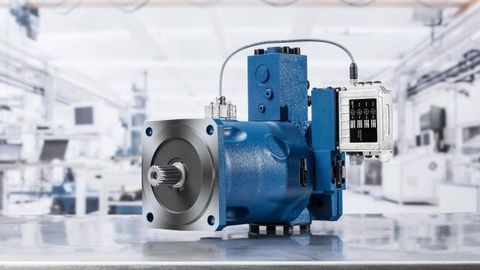
| Pump | Moves hydraulic fluid through the system |
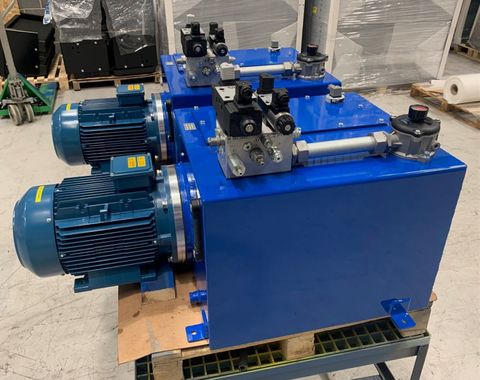
| Reservoir | Stores hydraulic fluid |
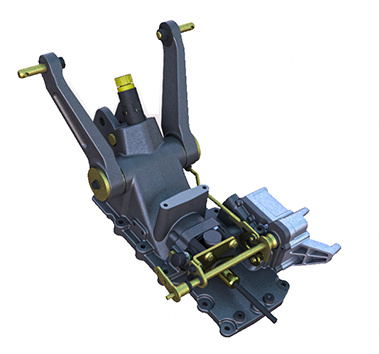
| Control Valve | Regulates fluid flow and movement |
| Hydraulic Fluid | Transfers pressure through the system |
The simplicity of hydraulic principles allows lift systems to generate significant lifting power with relatively compact equipment. Because fluid pressure can multiply force efficiently, hydraulic lifts can handle heavy loads while maintaining smooth movement.
Many industries rely on hydraulic lift engineering because it allows for precise vertical motion control. This makes the technology valuable in fields such as mechanical engineering, construction infrastructure, warehouse automation, automotive maintenance systems, and building accessibility solutions.
Why Hydraulic Lift Technology Matters Today
Hydraulic lift systems remain relevant because modern infrastructure increasingly requires reliable lifting solutions for heavy materials and equipment. Industrial automation, high-rise buildings, and logistics facilities all depend on lifting systems that can safely move loads vertically.
One reason hydraulic systems are widely used is their ability to generate strong lifting force without large motors. This efficiency makes them practical in situations where space constraints exist or when consistent lifting performance is required.
Several sectors benefit significantly from hydraulic lift systems:
• Construction and infrastructure projects
• Automotive maintenance platforms
• Warehouse and logistics handling equipment
• Manufacturing production lines
• Accessibility platforms in buildings
• Aircraft and industrial maintenance systems
These systems help address several operational challenges. For example, lifting heavy materials manually would be inefficient and potentially unsafe. Hydraulic lifting mechanisms reduce physical strain on workers while improving precision in load handling.
Another important factor is safety. Hydraulic lifts allow controlled vertical movement, which helps prevent sudden drops or unstable load shifts. When properly designed and maintained, hydraulic systems can maintain consistent pressure levels that ensure stable lifting operations.
From a technological perspective, hydraulic lifting systems also support energy efficiency and operational reliability. Modern designs incorporate improved hydraulic fluid formulations, precision valves, and monitoring sensors that enhance system stability.
The continued growth of industries such as automated warehousing, advanced manufacturing, and smart infrastructure means hydraulic lifting technology remains an essential engineering solution.
Recent Developments in Hydraulic Lift Technology
Recent years have brought several advancements in hydraulic engineering and lift system design. Many of these developments focus on improving safety, monitoring capabilities, and environmental performance.
One notable trend during 2024–2025 has been the integration of digital monitoring sensors in hydraulic lift systems. These sensors track pressure levels, fluid temperature, and cylinder movement to help detect potential issues before they affect system performance.
Another development involves improved hydraulic fluids designed to reduce environmental impact. Engineers have been researching biodegradable hydraulic fluids that maintain performance while minimizing environmental risks.
Automation technology has also influenced hydraulic lift engineering. Smart industrial environments now integrate hydraulic lift systems with digital control networks that allow real-time monitoring and predictive maintenance analysis.
Recent technical developments include:
| Recent Development | Description |
|---|---|
| Smart hydraulic sensors | Monitor pressure, fluid condition, and movement |
| Predictive maintenance systems | Identify mechanical issues early |
| Environment-friendly hydraulic fluids | Reduce ecological impact |
| Energy-efficient hydraulic pumps | Improve operational efficiency |
| Digital control integration | Allows remote monitoring of lift operations |
Industry research publications during 2025 have also highlighted improvements in electro-hydraulic hybrid systems, which combine hydraulic power with electronic control units. These systems provide more precise motion control and improved safety monitoring.
Engineering organizations and mechanical standards bodies continue to update guidelines to ensure hydraulic lifting equipment meets modern safety expectations.
Regulations and Safety Standards Affecting Hydraulic Lift Systems
Hydraulic lift systems must follow specific engineering standards and safety regulations to ensure safe operation. These regulations vary depending on the country and the type of lift system involved.
In many regions, hydraulic lifting equipment is regulated under mechanical safety standards that govern design, installation, and maintenance requirements. These regulations help ensure systems operate reliably and prevent accidents caused by equipment failure.
In India, several regulatory frameworks influence hydraulic lift installations and operation:
• Factories Act, 1948 – Governs workplace safety and equipment usage in industrial environments
• Bureau of Indian Standards (BIS) – Provides engineering guidelines for mechanical equipment and lifting systems
• National Building Code of India (NBC) – Includes safety requirements related to elevators and lift infrastructure
• Occupational Safety, Health and Working Conditions Code (2020) – Addresses workplace machinery safety and operational standards
These regulations require that lifting systems follow engineering design principles, structural load limits, and safety inspection procedures.
Other countries also follow internationally recognized standards such as:
• ISO hydraulic system standards
• European Machinery Directive guidelines
• American Society of Mechanical Engineers (ASME) lift standards
Regulatory compliance ensures that hydraulic lift systems operate safely and reliably in commercial, industrial, and public environments.
Routine inspections, pressure testing, and system maintenance are commonly recommended to ensure continued safe operation.
Useful Tools and Learning Resources for Hydraulic Systems
Understanding hydraulic lift systems often requires technical knowledge in fluid mechanics, mechanical engineering, and industrial system design. Fortunately, several tools and educational resources help learners explore this technology.
Engineers and students often use digital calculators and simulation platforms to understand hydraulic force calculations and system design parameters.
Helpful resources include:
• Hydraulic pressure and force calculation tools
• Mechanical engineering learning platforms
• Fluid mechanics simulation software
• Engineering design templates
• Industrial automation learning portals
The following table lists common tools used for studying hydraulic systems.
| Resource Type | Example Usage |
|---|---|
| Hydraulic Force Calculators | Estimate lifting capacity based on pressure |
| Fluid Simulation Software | Model hydraulic flow behavior |
| CAD Design Platforms | Design hydraulic cylinders and system layouts |
| Engineering Education Platforms | Learn hydraulic engineering concepts |
| Technical Standards Libraries | Access engineering safety guidelines |
Many engineering universities and training institutions also publish open learning materials related to hydraulic systems, fluid mechanics, and mechanical design.
Technical forums and engineering communities can also provide helpful discussions about hydraulic lift troubleshooting, design principles, and system maintenance knowledge.
These resources support both beginners and professionals who want to deepen their understanding of hydraulic technology.
Common Questions About Hydraulic Lift Systems
What principle allows hydraulic lift systems to work?
Hydraulic lift systems operate based on Pascal’s Law. This scientific principle states that pressure applied to a confined fluid is transmitted evenly throughout the fluid. As a result, a small input force can generate a larger output force, enabling heavy loads to be lifted.
Where are hydraulic lift systems commonly used?
Hydraulic lifts are used in many environments including construction sites, manufacturing facilities, aircraft maintenance platforms, automotive repair stations, and accessibility infrastructure in buildings.
What factors influence hydraulic lift performance?
Several factors affect performance:
• Hydraulic pressure levels
• Cylinder size and design
• Fluid viscosity and quality
• System valve control
• Load distribution and weight balance
Proper system design and maintenance help ensure reliable performance.
How do hydraulic systems maintain stable lifting motion?
Hydraulic systems maintain stability by regulating fluid pressure and flow through control valves. These valves allow gradual movement of the hydraulic cylinder, preventing sudden changes in motion.
What safety considerations apply to hydraulic lifting systems?
Safety considerations include:
• Pressure monitoring and system inspections
• Structural load limits
• Proper fluid maintenance
• Regular equipment testing
• Compliance with engineering safety standards
Following these practices helps reduce the risk of equipment failure.
Final Thoughts on Hydraulic Lift Systems
Hydraulic lift systems represent one of the most practical applications of fluid power engineering. By converting hydraulic pressure into mechanical lifting force, these systems enable the safe and efficient movement of heavy loads in many industrial and infrastructure settings.
From construction environments to automated warehouses, hydraulic lifting technology plays a crucial role in modern engineering operations. Advances in monitoring sensors, digital controls, and environmentally responsible hydraulic fluids continue to improve system performance and sustainability.
Understanding the fundamentals of hydraulic lift technology helps engineers, students, and industry professionals appreciate how fluid mechanics principles translate into real-world mechanical solutions.
As industrial systems continue evolving, hydraulic lift systems remain a foundational component of mechanical infrastructure, offering reliable lifting capability combined with engineering precision.