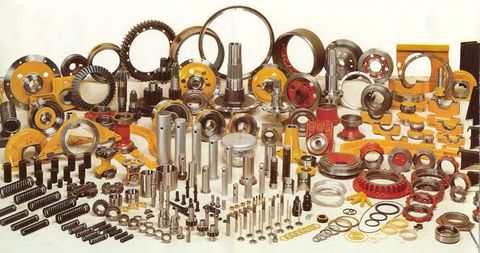
Heavy Equipment Spare Parts Guide for Reliable Machinery Performance
Heavy equipment plays an important role in construction, mining, agriculture, manufacturing, and infrastructure development. Excavators, bulldozers, loaders, cranes, and other industrial machines perform demanding tasks under challenging operating conditions.
To keep these machines functioning properly, their individual components must remain in good working condition.
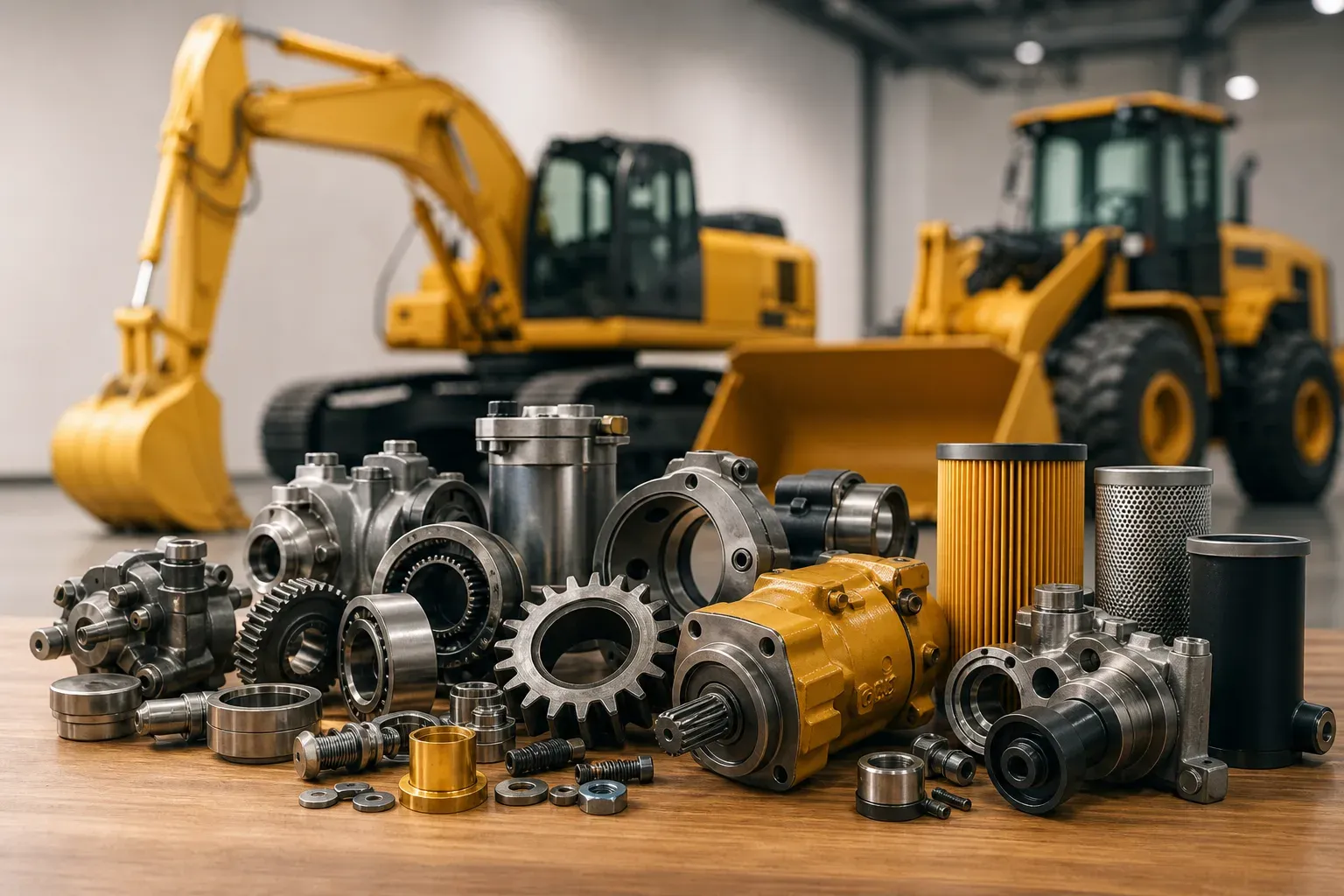
Heavy Equipment Spare Parts are essential for maintaining machinery performance, addressing component wear, and reducing unexpected interruptions. Over time, parts can deteriorate because of friction, pressure, vibration, heat, dust, and continuous operation. Understanding which components require attention and how replacement parts should be selected can help equipment owners maintain reliable operations.
This guide explains the main categories of heavy equipment spare parts, their applications, maintenance considerations, and the factors to evaluate when choosing components for different machines.
What Are Heavy Equipment Spare Parts?
Heavy equipment spare parts are replacement components used to repair, maintain, or restore machinery. These parts may be mechanical, hydraulic, electrical, or structural, depending on the equipment and its operating purpose.
Some components require periodic replacement because they experience regular wear. Others may need replacement following damage, equipment failure, or changes in operating conditions.
Common examples include:
Engine components
Hydraulic pumps and cylinders
Filters and belts
Bearings and seals
Electrical sensors
Transmission components
Tracks and undercarriage parts
Brake components
Using compatible replacement parts helps machinery operate according to its intended specifications.
Why Spare Parts Matter for Machinery Performance
Heavy equipment often operates for extended periods in demanding environments. Even a relatively small component failure can affect the performance of an entire machine.
Maintaining Operational Reliability
Replacing worn components helps machinery perform its intended functions. Regular inspections can identify developing problems before they cause significant disruption.
Reducing Unexpected Downtime
Keeping essential replacement parts available may reduce waiting periods when repairs become necessary.
Supporting Equipment Safety
Damaged brakes, worn structural components, or faulty hydraulic parts can create safety risks. Timely replacement helps maintain safe operating conditions.
Protecting Related Components
A damaged component may place additional stress on connected systems. Replacing it promptly can help prevent further mechanical problems.
Main Categories of Heavy Equipment Spare Parts
Different machinery systems require specific replacement components.
Engine Parts
The engine supplies power for many heavy equipment operations. Its components must withstand heat, pressure, and continuous movement.
Common engine parts include:
Pistons
Cylinder liners
Piston rings
Valves
Gaskets
Fuel injectors
Oil pumps
Engine maintenance generally involves checking fluid levels, monitoring performance, and following the manufacturer's inspection schedule.
Hydraulic Components
Hydraulic systems use pressurized fluid to generate movement and force. They are common in excavators, loaders, cranes, and other construction machines.
Important hydraulic parts include pumps, hoses, cylinders, valves, and seals.
Leaks, unusual noises, slow movement, or inconsistent pressure may indicate a developing hydraulic problem. Inspections should follow the equipment manufacturer's safety procedures.
Transmission and Drivetrain Parts
Transmission systems transfer power from the engine to the wheels, tracks, or other moving components.
Relevant parts include gears, clutches, shafts, bearings, and torque converters.
These components experience mechanical loads during operation. Correct lubrication and regular inspections help identify wear and reduce the likelihood of premature failure.
Electrical Components
Modern heavy equipment depends on electrical systems for starting, monitoring, lighting, and electronic control.
Common replacement parts include batteries, alternators, wiring connectors, sensors, switches, and control modules.
Electrical problems may appear as warning lights, intermittent starting, inaccurate readings, or unexpected shutdowns.
Undercarriage Components
Tracked equipment relies on undercarriage parts to move across uneven terrain.
These components may include:
Track chains
Track shoes
Rollers
Idlers
Sprockets
Mud, abrasive materials, heavy loads, and improper track tension can accelerate wear. Regular cleaning and inspection help identify damage early.
How to Choose the Right Spare Parts
Selecting compatible parts requires more than matching their appearance. Specifications, operating requirements, and equipment details must also be considered.
Confirm the Equipment Model
Start by identifying the machine's manufacturer, model, serial number, and production details. These details help narrow down compatible components.
Check Part Numbers
Manufacturers often assign unique identification numbers to individual parts. Comparing these numbers with official documentation can reduce the risk of selecting an incompatible component.
Review Technical Specifications
Dimensions, materials, pressure ratings, electrical characteristics, and operating limits may influence compatibility.
Consider Operating Conditions
Equipment used in mining or heavy construction may face different demands from machinery used in agriculture or light material handling.
Dust, temperature, moisture, and workload can influence component selection.
Verify Documentation
Technical manuals and manufacturer specifications provide important information about installation, maintenance, and replacement requirements.
Original, Aftermarket, and Remanufactured Parts
Replacement components generally fall into several categories.
Original Equipment Manufacturer Parts
These parts are produced by the equipment manufacturer or an authorized manufacturing source. They are designed to meet the applicable specifications for particular machines.
Aftermarket Parts
Aftermarket components are produced by manufacturers other than the original equipment manufacturer. Their specifications and quality can vary, so compatibility and documentation should be reviewed carefully.
Remanufactured Parts
Remanufactured components undergo a defined restoration process intended to return them to specified operating standards. The quality of the process and the condition of the finished part should be verified.
The appropriate choice depends on technical requirements, equipment condition, manufacturer guidance, and the intended operating environment.
Common Signs That Replacement Parts May Be Needed
Recognizing early warning signs can help prevent more extensive machinery problems.
Unusual Noise or Vibration
Grinding, knocking, or excessive vibration may indicate wear, loose components, or mechanical misalignment.
Fluid Leaks
Oil, coolant, or hydraulic fluid beneath a machine may indicate damaged hoses, seals, or connections.
Reduced Performance
Slower movement, lower power, or inconsistent operation may signal problems with the engine, hydraulic system, or transmission.
Excessive Heat
Abnormally high temperatures may indicate cooling problems, friction, or restricted fluid flow.
Warning Indicators
Electronic monitoring systems may identify faults through dashboard alerts or diagnostic codes.
These signs do not always identify the exact faulty component. Appropriate inspection and diagnosis are necessary before replacement.
Maintenance Practices for Longer Component Life
A consistent maintenance routine helps protect equipment and its replacement parts.
Follow manufacturer schedules: Use the recommended inspection and replacement intervals for each machine.
Inspect components regularly: Check hoses, belts, fasteners, seals, and visible structural parts for wear or damage.
Maintain correct lubrication: Use the specified lubricants and follow recommended replacement intervals.
Keep equipment clean: Remove accumulated dirt and debris where appropriate, particularly around cooling systems and moving parts.
Monitor operating conditions: Record unusual temperatures, vibration, pressure changes, and performance issues.
Maintain inventory records: Track part numbers, installation dates, maintenance history, and available replacement components.
These practices support more organized maintenance and help identify recurring problems.
Common Mistakes to Avoid
Several mistakes can complicate spare parts management.
Selecting parts based only on appearance.
Ignoring manufacturer specifications.
Installing components without proper inspection.
Delaying replacement after identifying significant damage.
Using incorrect lubricants or installation methods.
Storing sensitive parts in unsuitable environments.
Proper identification, documentation, and installation procedures help reduce these risks.
The Role of Technology in Spare Parts Management
Digital tools are changing how organizations manage heavy equipment components.
Inventory management systems can track available parts, record usage, and identify items that need replenishment. Equipment monitoring systems can also collect operating data and alert maintenance teams to abnormal conditions.
Predictive maintenance tools use information such as temperature, vibration, and pressure to estimate when certain components may require attention. Although these systems can support planning, their predictions depend on data quality and appropriate interpretation.
Digital maintenance records also help teams understand recurring failures and plan inspections more effectively.
Conclusion
Heavy Equipment Spare Parts are essential for maintaining machinery reliability, safety, and operational performance. Engine components, hydraulic parts, electrical systems, transmission elements, and undercarriage components each perform important functions and require appropriate maintenance.
Choosing replacement parts involves checking equipment identification, part numbers, technical specifications, operating conditions, and manufacturer guidance. Regular inspections and organized inventory management can further reduce unexpected interruptions and help extend equipment life.
By understanding these fundamentals, equipment owners and maintenance teams can make informed decisions and develop practical maintenance routines for demanding industrial environments.

Related Post...

Discover the VinFast VF 6 and the Future of Electric Urban Mobility
Updated: September 28, 2026
Read More
Cruise Booking Guide: Discover Memorable Journeys Across the Seas
Updated: September 30, 2026
Read More
Home Decor Consult Complete Guide to Creating Beautiful and Functional Living Spaces
Updated: September 22, 2026
Read More