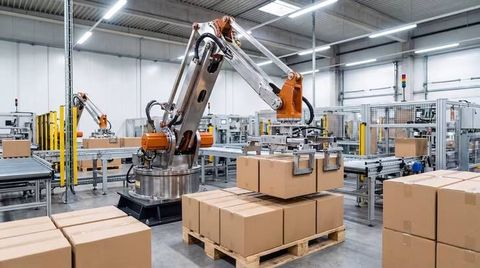
Traditionally, fruit sorting was done manually, which required significant time and effort. As agricultural production increased, the need for efficient and consistent sorting methods led to the development of fruit grading machines. These systems help standardize the fruit grading process and improve accuracy.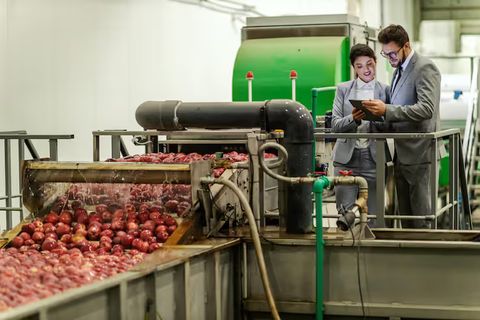
Today, fruit sorting machines are widely used in farms, packaging units, and distribution centers. They play an important role in ensuring that fruits are categorized properly before reaching markets and consumers.
Importance
Fruit grading machines are important because they improve efficiency and consistency in handling agricultural produce. Manual sorting can be slow and may lead to uneven results, while automated fruit grading allows for faster and more reliable classification.
This technology affects multiple groups:
- Farmers benefit from improved sorting speed and reduced manual effort
- Distributors rely on uniform grading for packaging and transport
- Consumers receive fruits that are sorted based on quality standards
Fruit quality sorting also helps reduce waste. By identifying damaged or lower-grade fruits early, producers can direct them to appropriate uses such as processing instead of fresh consumption.
In modern agriculture, grading machines in agriculture support better organization and help maintain product standards across large-scale operations.
Types of Fruit Grading Machines
Different types of fruit grading machines are designed based on the method used to evaluate and sort fruits.
Size-Based Grading Machines
These machines sort fruits according to their size using rollers, screens, or belts with gaps.
- Suitable for fruits like apples and oranges
- Simple mechanical operation
- Common in basic fruit grading process setups
Weight-Based Grading Machines
Weight-based systems use sensors or load cells to measure the weight of each fruit.
- Provide accurate classification
- Used in automated fruit grading systems
- Suitable for uniform packaging
Color-Based Sorting Machines
These machines use optical sensors or cameras to detect color variations.
- Help in fruit quality sorting
- Identify ripeness and defects
- Used in advanced fruit sorting technology
Shape and Defect Detection Machines
These systems use imaging technology to detect irregular shapes or surface defects.
- Useful in high-precision grading
- Common in fruit processing machines
- Improve overall quality control
How the Fruit Grading Process Works
The fruit grading process involves several steps that ensure accurate sorting and classification.
Feeding and Alignment
Fruits are placed onto conveyors where they are aligned for smooth movement through the machine.
Detection and Measurement
Sensors and cameras measure size, weight, color, and surface quality. This stage is essential in automated fruit grading systems.
Sorting and Separation
Based on collected data, fruits are directed into different categories using mechanical gates or air systems.
Collection and Packaging
Sorted fruits are collected in separate sections, ready for packaging or further processing.
This structured process ensures consistency and reduces manual intervention.
Comparison of Fruit Grading Methods
| Method | Basis of Sorting | Technology Used | Application Level |
|---|---|---|---|
| Size-Based | Diameter or volume | Mechanical rollers | Basic |
| Weight-Based | Mass | Sensors and load cells | Medium |
| Color-Based | External appearance | Optical sensors | Advanced |
| Shape/Defect Detection | Surface condition | Imaging systems | High precision |
Recent Updates
Recent developments in fruit grading machines focus on improving accuracy and efficiency. Many modern systems now use advanced sensors and imaging techniques to enhance fruit sorting technology.
Automation is becoming more common, with systems capable of handling large volumes of produce with minimal manual input. Integration with digital platforms allows monitoring and control of grading operations.
Another trend is the use of data analysis to track grading patterns and improve decision-making. These advancements are helping make automated fruit grading more consistent and adaptable.
Laws or Policies
Fruit grading machines and related processes are influenced by agricultural standards and food safety regulations.
Quality Standards
Fruits are often graded according to defined quality categories. These standards help maintain consistency in the market.
Food Safety Regulations
Equipment used in fruit processing machines must follow hygiene and safety guidelines to prevent contamination.
Agricultural Policies
Government programs may support modernization in agriculture, including the adoption of grading machines in agriculture to improve efficiency.
These regulations ensure that fruit grading processes meet safety and quality expectations.
Tools and Resources
Several tools and resources support the use of fruit grading machines in agriculture.
Digital Monitoring Systems
These systems track machine performance and grading accuracy in real time.
Calibration Tools
Calibration tools help maintain accuracy in sensors and measurement systems used in fruit sorting machines.
Data Management Platforms
These platforms store and analyze information related to fruit grading process and output.
Training Materials
Guides and manuals help users understand how to operate and maintain agricultural grading equipment.
These resources contribute to efficient and reliable operation of fruit processing systems.
FAQs
What are fruit grading machines used for?
Fruit grading machines are used to sort fruits based on size, weight, color, and quality to ensure uniform classification.
How does the fruit grading process work?
The fruit grading process involves feeding, measuring, sorting, and collecting fruits using automated systems.
What is the role of fruit sorting technology in agriculture?
Fruit sorting technology helps improve efficiency, reduce manual effort, and ensure consistent quality in agricultural produce.
What are the types of fruit grading machines?
The types of fruit grading machines include size-based, weight-based, color-based, and defect detection systems.
Why is automated fruit grading important?
Automated fruit grading improves speed, accuracy, and consistency while reducing the need for manual sorting.
Conclusion
Fruit grading machines are an important part of modern agriculture, supporting efficient and accurate sorting of produce. Different types of fruit grading machines use various technologies to classify fruits based on quality and characteristics. The fruit grading process helps improve consistency and reduce waste. As technology advances, fruit sorting systems continue to evolve, contributing to better organization and handling of agricultural products.