The idea of interior designers as experience creators comes from this shift. Instead of focusing only on structure and layout, designers now consider how a space influences mood, behavior, and comfort. This concept is often described as experiential interior design, where the goal is to create environments that respond to human needs beyond basic utility.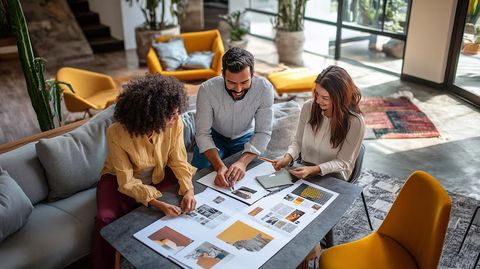
This evolution is connected to changing lifestyles. As people spend more time indoors, expectations from living and working spaces have increased. Interior design experience now includes elements such as lighting, texture, sound, and spatial flow, all working together to shape how a space is perceived.
Importance
The role of interior designers has become more significant because spaces now serve multiple purposes. Homes are used for work, relaxation, and social interaction, while offices are expected to support both productivity and well-being.
Interior design experience matters because it directly affects how people feel in a space. Poorly designed environments can lead to discomfort, distraction, or reduced efficiency, while thoughtful design can support focus and relaxation.
Key reasons why this topic is important include:
- Daily impact: people interact with designed spaces throughout their day
- Emotional influence: surroundings can affect mood and mental clarity
- Functional balance: combining usability with comfort improves overall experience
- Adaptability: spaces must adjust to changing needs and activities
The shift from functional vs emotional design reflects a broader understanding that both aspects are necessary. Interior designers now work to balance practical requirements with emotional responses.
Space Design Concepts
Interior designers use several space design concepts to create meaningful environments. These concepts guide how spaces are planned and experienced.
Layout and Flow
Layout refers to how furniture and elements are arranged, while flow describes how people move through a space. Good interior space planning ensures that movement is natural and unobstructed.
Light and Atmosphere
Lighting plays a key role in emotional design in interiors. Natural light can make spaces feel open and calm, while artificial lighting can be adjusted to create different moods.
Materials and Texture
Different materials contribute to how a space feels. Soft textures can create comfort, while hard surfaces may give a structured appearance. Designers combine these elements to support the intended experience.
Color and Visual Balance
Colors influence perception and emotion. Neutral tones may create a sense of calm, while brighter colors can add energy. Balance is important to avoid overwhelming the space.
Interior Design Process
The interior design process involves several stages that help transform ideas into practical outcomes.
Understanding User Needs
User-centered design spaces begin with identifying how people will use the space. This includes daily routines, preferences, and functional requirements.
Concept Development
Designers create a concept that defines the overall direction of the project. This stage connects space design concepts with the intended emotional and functional goals.
Planning and Layout
Interior space planning ensures that all elements fit together logically. Designers consider dimensions, movement, and placement of furniture and fixtures.
Implementation
During this stage, materials, colors, and layouts are applied. The goal is to maintain consistency between the original concept and the final result.
Functional vs Emotional Design
The relationship between functional vs emotional design is central to modern interior design.
Functional design focuses on usability. It ensures that spaces are practical, organized, and efficient. Emotional design in interiors, on the other hand, focuses on how a space feels to the people using it.
A balanced approach combines both aspects:
- Function provides structure and usability
- Emotion adds comfort and personal connection
- Together, they create a complete interior design experience
Designers aim to create environments where neither function nor emotion is ignored.
Comparison of Design Approaches
| Aspect | Functional Design | Emotional Design | Combined Approach |
|---|---|---|---|
| Focus | Practical use | User feelings | Balanced experience |
| Key Elements | Layout, storage | Lighting, color, texture | Integrated design |
| Outcome | Efficient space | Comfortable atmosphere | Usable and engaging space |
| User Impact | Ease of use | Mood and perception | Overall satisfaction |
Recent Updates
Modern interior design trends show a growing focus on personalization and adaptability. Designers are increasingly using flexible layouts that can adjust to different activities throughout the day.
Technology is also influencing experiential interior design. Smart lighting systems, automated climate control, and digital planning tools are becoming more common. These innovations allow spaces to respond to user preferences more effectively.
Sustainability is another important trend. Materials and design choices are being evaluated based on their environmental impact, leading to more thoughtful selection of resources.
Laws or Policies
Interior design is influenced by building regulations and safety standards. These rules ensure that spaces are safe, accessible, and functional.
Building Codes
Building codes define requirements for structure, ventilation, lighting, and fire safety. Interior designers must consider these factors during planning.
Accessibility Guidelines
Design must accommodate different users, including those with mobility challenges. This includes proper spacing, entryways, and layout adjustments.
Environmental Regulations
Some regulations focus on materials and energy usage. These guidelines encourage responsible design practices.
These policies help maintain consistency and safety in interior design projects.
Tools and Resources
Interior designers use various tools and resources to plan and execute projects effectively.
Design Software
Digital tools allow designers to create layouts, visualize spaces, and test different concepts before implementation.
Mood Boards
Mood boards help organize ideas related to color, texture, and style. They provide a visual reference for the design direction.
Measurement Tools
Accurate measurements are essential for interior space planning. Tools help ensure that all elements fit correctly within the space.
Material Libraries
Material references help designers select appropriate finishes, fabrics, and surfaces based on the intended design experience.
FAQs
What do interior designers do beyond decoration?
Interior designers focus on creating functional and emotional experiences within a space, combining layout planning with elements that influence mood and comfort.
What is experiential interior design?
Experiential interior design refers to designing spaces that consider how people feel, interact, and respond to their surroundings.
How does emotional design in interiors affect daily life?
Emotional design in interiors can influence mood, focus, and relaxation by shaping how a space looks and feels.
What is the difference between functional vs emotional design?
Functional design focuses on usability, while emotional design focuses on user experience. Both are combined to create balanced spaces.
Why is interior space planning important?
Interior space planning ensures efficient use of space, smooth movement, and proper placement of elements within a design.
Conclusion
Interior designers now play a broader role as creators of experiences rather than only planners of spaces. By combining functional and emotional design, they shape environments that support both practical needs and personal comfort. The use of structured processes and evolving design concepts allows for more adaptable and meaningful spaces. As expectations from indoor environments continue to grow, the focus on interior design experience remains relevant.