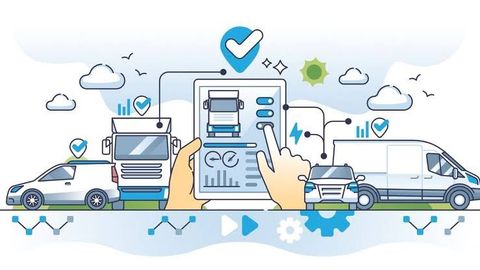
Fleet Management Software Guide: Vehicle Tracking, Maintenance, and Operations Analytics
Fleet management software helps organizations coordinate vehicles, drivers, maintenance schedules, fuel activity, routes, inspections, and transportation operations through centralized technology.
Fleet platforms are used across logistics, transportation, construction, field operations, distribution, utilities, manufacturing, healthcare, and other industries operating commercial or organizational vehicles.
Modern systems can combine GPS tracking, telematics, maintenance records, driver information, fuel data, route planning, compliance records, and operational analytics.
Why Fleet Management Software Matters
Managing vehicles through spreadsheets and disconnected systems can make it difficult to maintain accurate information about vehicle locations, maintenance requirements, driver activity, and operating performance.
Fleet management software can centralize:
Vehicle tracking
Preventive maintenance
Driver management
Fuel monitoring
Route planning
Inspection records
Compliance documentation
Telematics data
Fleet analytics
Asset utilization
Operational reporting
Centralized fleet information can give managers greater visibility into vehicle activity and maintenance requirements.
What Is Fleet Management Software?
Fleet management software is technology designed to help organizations monitor, maintain, and coordinate vehicle fleets.
Depending on the platform, capabilities may include:
GPS vehicle tracking
Vehicle telematics
Driver monitoring
Maintenance scheduling
Digital inspections
Fuel management
Route optimization
Dispatch coordination
Mileage tracking
Asset tracking
Compliance records
Fleet analytics
Mobile applications
The appropriate system depends on fleet size, vehicle types, operating geography, industry requirements, and transportation activities.
Vehicle Tracking and GPS Fleet Management
GPS tracking is one of the most common capabilities within fleet management platforms.
Tracking systems can provide information such as:
Current vehicle location
Vehicle movement
Trip history
Mileage
Route history
Stop duration
Geographic activity
Vehicle utilization
Managers can use this information to understand fleet activity and identify operational patterns.
GPS data should be handled according to applicable privacy requirements, organizational policies, employee agreements, and local regulations.
Fleet Telematics
Telematics combines vehicle, location, and operational data to provide a broader view of fleet activity.
Depending on the vehicle and technology, telematics systems may collect:
Vehicle location
Speed
Mileage
Engine information
Fuel data
Diagnostic information
Idling activity
Acceleration and braking events
Battery information
Vehicle fault codes
Telematics data can support maintenance planning, driver monitoring, vehicle utilization analysis, and operational reporting.
Preventive Fleet Maintenance
Preventive maintenance is an important component of fleet operations.
Fleet management software can help track:
Scheduled maintenance
Mileage-based maintenance
Time-based maintenance
Inspection schedules
Tire replacement
Fluid checks
Battery condition
Repair records
Manufacturer maintenance intervals
Automated maintenance reminders can help managers identify upcoming maintenance requirements before they become overdue.
Maintenance schedules should follow vehicle manufacturer recommendations, operating conditions, applicable regulations, and organizational policies.
Vehicle Inspection Management
Vehicle inspections can help organizations document vehicle condition and identify potential issues.
Digital inspection workflows may record:
Inspection date
Vehicle identification
Odometer information
Tire condition
Lights
Brakes
Safety equipment
Damage
Defects
Inspection results
Corrective actions
Mobile inspection applications can allow drivers or authorized personnel to complete inspection forms directly from the vehicle or facility.
Driver Management and Safety Analytics
Fleet software may also provide tools for analyzing driver-related activity.
Depending on the system, analytics may include:
Speeding events
Harsh braking
Rapid acceleration
Seat-belt information
Excessive idling
Route deviations
Driving hours
Vehicle utilization
These metrics should be interpreted carefully because telematics data may not capture every operational circumstance.
Organizations should establish clear driver policies, appropriate review processes, privacy controls, and procedures for correcting inaccurate data.
Fuel and Energy Management
Fuel is a significant operating consideration for many vehicle fleets.
Fleet management software can track:
Fuel consumption
Fuel transactions
Mileage
Idling
Fuel efficiency
Vehicle utilization
Fuel-card activity
Electric vehicle charging data
Comparing fuel or energy consumption with mileage and vehicle activity can help identify unusual patterns.
For mixed fleets, software may also track both conventional fuel and electric charging activity.
Route Optimization and Dispatch
Route planning technology can help organizations coordinate multiple vehicles and destinations.
Routing systems may consider:
Vehicle location
Destination
Delivery windows
Traffic information
Vehicle capacity
Driver availability
Road restrictions
Priority
Geographic territories
Route optimization can also be connected with dispatch systems and customer scheduling.
Actual route recommendations should be reviewed against vehicle restrictions, local road conditions, safety requirements, and operational policies.
Fleet Compliance Management
Fleet operations can involve multiple regulatory and recordkeeping requirements.
Depending on the jurisdiction and type of operation, organizations may need to manage:
Vehicle registrations
Driver credentials
Inspections
Maintenance records
Hours-of-service records
Insurance documentation
Safety records
Vehicle identification
Regulatory reporting
In the United States, certain commercial motor carriers may have obligations involving the Federal Motor Carrier Safety Administration and electronic logging requirements.
Requirements differ according to vehicle type, driver classification, operating activity, jurisdiction, and applicable exemptions.
Fleet Analytics and Reporting
Fleet analytics can convert vehicle and driver information into operational metrics.
Common fleet metrics include:
| Metric | What It Can Show |
|---|---|
| Fleet utilization | How actively vehicles are being used |
| Vehicle downtime | Time vehicles are unavailable |
| Maintenance compliance | Whether scheduled maintenance is completed |
| Fuel efficiency | Energy consumption relative to mileage |
| Idle time | Time vehicles operate without productive movement |
| Mileage | Distance traveled by vehicle |
| Route adherence | Difference between planned and actual routes |
| Incident frequency | Recorded safety or operational events |
| Maintenance backlog | Outstanding maintenance requirements |
| Asset availability | Vehicles available for operations |
Analytics should be interpreted within the context of vehicle type, operating environment, route characteristics, and business requirements.
Fleet Asset Management
Fleet management platforms can also maintain detailed vehicle records.
A vehicle profile may include:
Vehicle identification number
Make and model
Model year
Acquisition information
Mileage
Maintenance history
Inspection history
Registration information
Insurance information
Assigned driver
Location
Asset status
Centralized records can make it easier to understand the operational history of individual vehicles.
Electric Vehicle Fleet Management
Fleet software is increasingly being used to manage electric vehicles alongside conventional vehicles.
EV fleet capabilities may include:
Battery status
Charging activity
Charging locations
Energy consumption
Estimated range
Charging schedules
Vehicle utilization
Battery-related information
Organizations operating mixed fleets may use a common fleet-management platform to compare vehicle utilization, maintenance requirements, energy consumption, and operational availability.
Artificial Intelligence in Fleet Management
AI and advanced analytics are increasingly being incorporated into fleet-management platforms.
Potential applications include:
Predictive maintenance
Route recommendations
Driver-risk analysis
Fuel-consumption forecasting
Vehicle utilization forecasting
Maintenance scheduling
Anomaly detection
Fleet demand forecasting
AI-generated recommendations should remain subject to appropriate human review, particularly when they affect driver decisions, safety, compliance, or maintenance.
Organizations should also assess the quality, security, privacy, and reliability of data used by automated analytics.
Fleet Data Security and Privacy
Fleet platforms can contain sensitive operational and employee information.
Data may include:
Vehicle locations
Driver information
Travel histories
Customer locations
Maintenance records
Vehicle diagnostics
Fuel transactions
Operational schedules
Organizations should evaluate:
Role-based access
Authentication
Encryption
Mobile-device security
Data retention
Audit logging
Vendor security
API security
Location-data controls
Data access should generally be limited according to legitimate operational responsibilities.
Fleet Management Software Implementation
Organizations evaluating fleet software can use a structured implementation process.
1. Define fleet requirements
Identify vehicle types, fleet size, operating regions, driver groups, maintenance requirements, and reporting needs.
2. Map current processes
Document existing tracking, inspection, maintenance, fuel, compliance, dispatch, and reporting workflows.
3. Identify integrations
Review connections with accounting, payroll, ERP, dispatch, fuel-card, maintenance, and other systems.
4. Establish data requirements
Determine which vehicle, driver, telematics, maintenance, and operational information needs to be collected.
5. Configure permissions
Establish appropriate access for drivers, fleet managers, maintenance teams, operations managers, administrators, and other users.
6. Test workflows
Test tracking, inspections, maintenance alerts, route planning, reporting, mobile applications, and compliance records before broader implementation.
Fleet Management Planning Checklist
Organizations evaluating fleet-management software can review:
Define fleet size and vehicle types
Identify GPS tracking requirements
Evaluate telematics capabilities
Review preventive-maintenance tools
Assess digital inspection workflows
Evaluate fuel and energy tracking
Review driver analytics
Assess route-planning capabilities
Review compliance management
Evaluate reporting and dashboards
Assess mobile capabilities
Review ERP and accounting integrations
Evaluate data-security controls
Establish user permissions
Test operational workflows
Tools and Resources
Organizations researching fleet-management technology can review:
GPS tracking systems: For monitoring vehicle locations and travel history.
Telematics platforms: For collecting vehicle and operational data.
Maintenance-management systems: For tracking inspections, repairs, and preventive maintenance.
Route-planning tools: For coordinating vehicles, destinations, and schedules.
Fuel-management systems: For monitoring fuel or energy consumption.
Compliance records: For maintaining applicable vehicle and driver documentation.
Fleet dashboards: For analyzing utilization, maintenance, safety, and operational metrics.
Vehicle manufacturer documentation: For maintenance requirements and technical specifications.
Transportation regulators: For reviewing current fleet and commercial transportation requirements.
FAQs
What is fleet management software?
Fleet management software is technology used to monitor, maintain, and coordinate vehicles, drivers, maintenance activity, routes, compliance records, and fleet operations.
What is the difference between GPS tracking and fleet management software?
GPS tracking primarily provides vehicle location and movement information. Fleet management software can provide a broader set of capabilities, including maintenance, inspections, fuel tracking, driver analytics, compliance, dispatch, and reporting.
Can fleet management software track vehicle maintenance?
Many platforms include preventive-maintenance schedules, inspection records, repair histories, mileage tracking, maintenance alerts, and vehicle service records.
Can fleet management software monitor drivers?
Many systems can analyze telematics information such as speeding events, harsh braking, acceleration, idling, and route activity. Organizations should apply appropriate privacy, employment, safety, and data-governance policies.
Can fleet software manage electric vehicles?
Many modern fleet platforms support EV-related information such as battery status, charging activity, energy consumption, charging locations, and vehicle utilization. Capabilities vary by platform and vehicle technology.
Conclusion
Fleet management software connects vehicle tracking, telematics, maintenance, inspections, driver analytics, fuel or energy monitoring, route planning, compliance, and operational reporting.
Organizations evaluating fleet technology should consider fleet size, vehicle types, geographic coverage, maintenance requirements, regulatory obligations, data-security needs, integrations, analytics, and mobile capabilities.
Because transportation requirements vary across industries and jurisdictions, fleet software should support—not replace—appropriate human oversight, safety procedures, maintenance practices, compliance programs, and professional guidance.

Related Post...
Transportation Management Software Guide: Freight Planning, Routing, and Logistics Analytics
Updated: September 22, 2026
Read More
Revenue Management Software Guide: Pricing Analytics, Forecasting, and Business Strategy
Updated: September 23, 2026
Read More
Field Service Management Software Guide: Scheduling, Dispatch, and Operations Planning
Updated: September 22, 2026
Read More