Fibre laser machines exist to meet the growing need for precise, repeatable, and efficient cutting in modern manufacturing. As industries began working with thinner materials, complex designs, and tighter tolerances, traditional cutting methods such as mechanical tools or gas-based lasers showed limitations. Fibre laser technology developed as a solution to deliver cleaner cuts, faster processing, and reduced material waste.
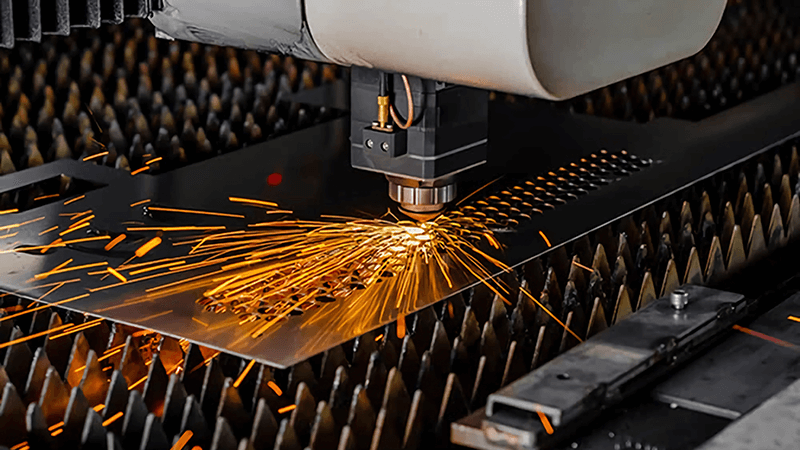
Today, fibre laser machines are commonly used in sectors such as metal fabrication, automotive manufacturing, electronics, aerospace, and construction-related industries.
Importance: Why Fibre Laser Machines Matter Today
Fibre laser machines are important because manufacturing environments now demand higher productivity, consistent quality, and better resource management. These machines help manufacturers adapt to changing design requirements and shorter production cycles.
This topic affects:
Manufacturing and fabrication businesses
Engineers and production planners
Small and medium industrial workshops
Industries requiring high-precision metal components
Fibre laser machines help solve several operational challenges:
Inconsistent cutting accuracy with traditional tools
Slower production speeds for complex designs
High maintenance requirements of older laser systems
Excess material waste and post-processing work
By offering controlled laser output and automated operation, fibre laser machines support more stable and predictable cutting processes.
Key operational benefits of fibre laser cutting
| Area | Practical Impact |
|---|---|
| Precision | Clean and accurate cuts |
| Speed | Faster processing times |
| Efficiency | Lower energy use per cut |
| Consistency | Repeatable results |
Recent Updates: Industry Trends and Developments in the Past Year
Over the past year, fibre laser machine technology has continued to evolve in response to Industry 4.0 practices and automation needs.
Notable developments since 2024 include:
Wider adoption of higher-power fibre lasers for thicker materials
Improved cutting heads with auto-focus and real-time monitoring
Integration of fibre laser machines with smart factory systems
Enhanced software for nesting, simulation, and process control
In late 2024 and early 2025, manufacturers introduced upgrades focused on energy efficiency and predictive maintenance. There has also been increased emphasis on compact machine designs suitable for limited factory floor space.
Technology comparison over time
| Feature | Earlier Fibre Lasers | Recent Systems |
|---|---|---|
| Power control | Manual adjustment | Automated optimization |
| Monitoring | Basic indicators | Real-time sensors |
| Integration | Standalone machines | Connected systems |
| Maintenance | Reactive | Condition-based |
These trends reflect a move toward smarter and more connected cutting solutions.
Laws or Policies: Regulatory and Safety Considerations
Fibre laser machines are subject to industrial safety standards, workplace regulations, and manufacturing compliance requirements. While the machines themselves are not restricted, their operation must follow safety guidelines.
In India, relevant considerations include:
Factory safety regulations: Cover machine operation and worker protection
Laser safety standards: Define safe exposure limits and protective measures
Electrical and equipment compliance rules: Apply to industrial machinery
Government manufacturing initiatives: Encourage adoption of advanced manufacturing technologies
These policies aim to ensure safe operation, proper training, and responsible use of high-powered laser equipment. Compliance supports both worker safety and operational reliability.
Tools and Resources: Supporting Technologies and Aids
Effective use of fibre laser machines depends on a combination of software, hardware, and operational tools. These resources help improve accuracy and workflow management.
Common tools and resources include:
Computer-aided design (CAD) software
Computer-aided manufacturing (CAM) systems
Nesting and simulation software
Machine monitoring and diagnostics tools
Operator training materials and safety guides
Core components of a fibre laser cutting system
| Component | Function |
|---|---|
| Laser source | Generates the laser beam |
| Cutting head | Focuses and directs the beam |
| Control system | Manages movement and power |
| Cooling system | Maintains operating stability |
Using these tools together supports efficient and consistent cutting operations.
FAQs: Common Questions About Fibre Laser Machines
What materials can fibre laser machines cut?
They are mainly used for metals such as steel, stainless steel, aluminum, brass, and copper, depending on machine specifications.
Are fibre laser machines suitable for small workshops?
Yes, compact and mid-range fibre laser machines are available for smaller production environments.
How do fibre lasers compare with CO₂ lasers?
Fibre lasers generally offer higher efficiency, lower maintenance, and faster cutting for many metal applications.
Do fibre laser machines require skilled operators?
Operators require training, but modern systems include user-friendly controls and automation features.
What affects cutting quality in fibre laser machines?
Factors include material type, thickness, laser power, focus settings, and machine calibration.
Final Thoughts
Fibre laser machines play a key role in modern manufacturing by supporting precise, fast, and efficient cutting processes. Their ability to handle complex designs with consistency makes them suitable for a wide range of industrial applications.
Understanding how fibre laser machines work, the trends shaping their development, and the regulations guiding their use helps businesses and professionals adopt them responsibly. As manufacturing continues to evolve, fibre laser technology is likely to remain an important part of advanced production systems.