Explore Wet Heat (Autoclaving): A Beginner’s Guide to Modern Sterilization Methods
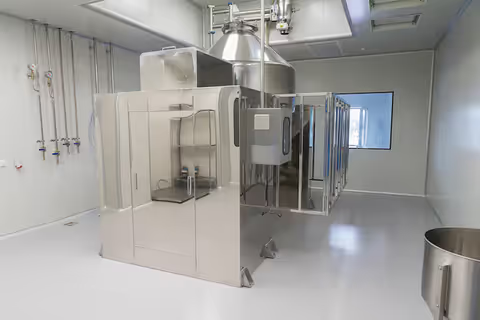
Wet heat sterilization is a method of eliminating microorganisms by using saturated steam under controlled pressure and temperature. The most common equipment used for this process is an autoclave.
Autoclaving has become a standard sterilization technique in healthcare, laboratories, pharmaceutical production, research facilities, and certain industrial environments where sterile equipment is essential.
Autoclave sterilization systems work by exposing instruments, laboratory materials, or other heat-resistant items to high-pressure steam for a specified period. Unlike simple boiling, which may not destroy all microorganisms, autoclaving combines pressure, temperature, and time to achieve sterilization under carefully controlled conditions.
Steam sterilization equipment has been used for more than a century. Early pressure sterilizers were developed to improve infection control in hospitals and research laboratories. Modern systems have evolved into highly automated machines with digital controls, monitoring functions, and programmable sterilization cycles.
How Autoclaving Works
During wet heat sterilization, water is heated inside a sealed chamber until it produces saturated steam. As pressure increases, the steam reaches temperatures higher than the normal boiling point of water. The steam transfers heat efficiently to the materials inside the chamber, helping destroy bacteria, fungi, viruses, and many bacterial spores when operated according to validated procedures.
Medical autoclave machines are designed to maintain precise operating conditions throughout the sterilization cycle. Different cycles may be selected depending on the type of instruments or materials being processed.
Types of Autoclaves
Several types of autoclaves are commonly used:
- Gravity displacement autoclaves
- Pre-vacuum autoclaves
- Steam-flush pressure-pulse systems
- Benchtop laboratory units
- Large hospital sterilizers
- Industrial steam sterilizers
Laboratory autoclave manufacturers produce equipment in various sizes to meet different research, healthcare, and manufacturing requirements.
Importance
Why Wet Heat Sterilization Matters
Sterilization plays an important role in preventing contamination and reducing the spread of microorganisms. Wet heat sterilization is widely used because steam transfers heat efficiently and can penetrate many types of sterilization packaging and equipment when appropriate procedures are followed.
Hospitals, diagnostic laboratories, universities, pharmaceutical facilities, veterinary clinics, and biotechnology organizations all depend on sterilization processes for routine operations.
Supporting Healthcare
Medical autoclave machines are commonly used to sterilize surgical instruments, laboratory glassware, reusable medical devices, and certain healthcare materials before reuse.
Proper sterilization contributes to infection prevention and supports patient safety by reducing contamination risks.
Laboratory Applications
Research laboratories routinely sterilize glassware, culture media, laboratory instruments, and biological waste using autoclave sterilization systems.
This helps maintain controlled laboratory environments and supports reliable scientific work.
Industrial Uses
Steam sterilization equipment is also used in pharmaceutical production, biotechnology manufacturing, food research laboratories, and certain industrial quality control facilities.
In these environments, consistent sterilization procedures help maintain product quality and process reliability.
Environmental Considerations
Compared with some chemical sterilization methods, wet heat sterilization relies primarily on water and heat rather than chemical disinfectants. This characteristic makes it suitable for many applications involving heat-resistant materials.
However, not every material is compatible with steam sterilization. Heat-sensitive plastics, certain electronics, and moisture-sensitive items often require alternative sterilization methods.
Main Components of an Autoclave
Sterilization Chamber
The chamber is the sealed compartment where instruments and materials are placed during the sterilization cycle.
The chamber is designed to withstand elevated pressure and temperature while distributing steam evenly.
Steam Generation System
Steam may be generated within the unit or supplied from an external steam source depending on the equipment design.
The steam generation process is carefully controlled to achieve consistent sterilization conditions.
Pressure and Temperature Controls
Autoclave sterilization systems continuously monitor pressure and temperature throughout each cycle.
Digital sensors help maintain programmed operating conditions and record important cycle information.
Safety Systems
Modern high pressure steam sterilizers include multiple safety features such as:
- Pressure relief valves
- Door locking mechanisms
- Temperature monitoring
- Emergency shutdown functions
- Automatic cycle control
These features help protect operators during equipment operation.
Control Interface
Most modern steam sterilization equipment includes digital displays, programmable cycles, and electronic monitoring systems.
Advanced steam sterilization technologies often allow operators to store sterilization records electronically for documentation purposes.
Typical Applications
| Application | Materials Commonly Sterilized | Typical Environment |
|---|---|---|
| Healthcare | Surgical instruments | Hospitals and clinics |
| Research | Laboratory glassware | Universities and laboratories |
| Pharmaceutical production | Manufacturing equipment | Production facilities |
| Biotechnology | Research materials | Biotechnology laboratories |
| Waste treatment | Biological laboratory waste | Research institutions |
Recent Updates
Increased Automation
Recent developments have introduced greater automation into autoclave sterilization systems. Digital controls can automatically regulate pressure, temperature, and sterilization time while recording operational data.
Automation also supports more consistent cycle management across repeated sterilization processes.
Improved Monitoring Systems
Modern high pressure steam sterilizers increasingly include sensors that continuously monitor chamber conditions.
Electronic documentation helps laboratories and healthcare facilities maintain detailed sterilization records for quality management purposes.
Energy Efficiency Improvements
Manufacturers continue developing steam sterilization equipment with improved insulation, optimized steam generation, and more efficient water management.
These improvements help reduce energy consumption while maintaining sterilization performance.
Remote Monitoring
Some advanced steam sterilization technologies now support secure remote monitoring of operational status through centralized facility management systems.
Remote monitoring allows maintenance personnel to review equipment status without remaining physically near every unit.
Digital Integration
Many laboratory autoclave manufacturers now design equipment that integrates with laboratory information management systems and hospital documentation platforms.
This integration supports automated record management and equipment tracking.
Laws or Policies
Medical Device Regulations
Medical autoclave machines used in healthcare settings may be subject to medical device regulations established by national health authorities.
Requirements typically address equipment safety, manufacturing quality, documentation, and maintenance.
Laboratory Safety Standards
Research laboratories often follow institutional biosafety guidelines regarding sterilization procedures for laboratory materials and biological waste.
These procedures help maintain safe laboratory operations.
Occupational Safety
Personnel operating autoclaves generally receive training regarding pressure safety, hot surfaces, steam exposure, and emergency procedures.
Workplace safety regulations frequently include requirements for equipment inspection and routine maintenance.
Quality Management Standards
Healthcare organizations, pharmaceutical manufacturers, and research laboratories may follow recognized quality management standards that require documentation of sterilization processes and equipment performance.
Documentation often includes cycle records, maintenance history, and validation procedures.
Tools and Resources
Several resources support understanding and operation of wet heat sterilization systems.
Equipment Manuals
Manufacturers provide technical manuals describing installation, operation, maintenance, and troubleshooting procedures.
Sterilization Record Systems
Digital record platforms help organizations maintain sterilization cycle documentation for quality management.
Laboratory Information Systems
Many laboratories integrate autoclave records into laboratory information management systems for centralized documentation.
Equipment Validation Guides
Validation documents explain methods used to verify that sterilization equipment operates according to established procedures.
Technical Standards
International engineering and healthcare organizations publish standards covering steam sterilization equipment, testing methods, and operational guidance.
FAQs
What is wet heat sterilization?
Wet heat sterilization is a sterilization method that uses saturated steam under pressure to eliminate microorganisms from heat-resistant materials.
How do autoclave sterilization systems work?
Autoclave sterilization systems expose materials to controlled combinations of high-pressure steam, elevated temperature, and time inside a sealed chamber.
Where are medical autoclave machines commonly used?
Medical autoclave machines are commonly used in hospitals, dental clinics, research laboratories, pharmaceutical facilities, and biotechnology organizations.
What do laboratory autoclave manufacturers produce?
Laboratory autoclave manufacturers develop sterilization equipment designed for research institutions, healthcare facilities, educational laboratories, and industrial applications.
What are advanced steam sterilization technologies?
Advanced steam sterilization technologies include digital monitoring, programmable sterilization cycles, automated documentation, remote monitoring capabilities, and enhanced process controls.
Conclusion
Wet heat sterilization remains one of the most widely used methods for sterilizing heat-resistant instruments and laboratory materials. Autoclave sterilization systems, medical autoclave machines, and steam sterilization equipment support healthcare, scientific research, and industrial manufacturing by providing controlled sterilization processes. Ongoing developments in automation, digital monitoring, and advanced steam sterilization technologies continue to improve operational consistency and documentation. Proper operation, safety practices, and compliance with applicable regulations remain essential parts of effective sterilization programs.

Related Post...
Hydraulic System Components: A Guide to Pumps, Valves, Actuators and Fluid Control
Updated: October 05, 2026
Read More
T-Mobile 5G Home Internet for Adults 55+: A Guide to Plans, Pricing and 2026 Eligibility Options
Updated: October 12, 2026
Read More
Industrial Laser Annealing: Explore Basics, Equipment, Methods, and Applications
Updated: October 09, 2026
Read More