Textile printing machines include a wide category of equipment designed to apply color, ink, or pigments onto fabric through direct or indirect printing technologies. These machines help manufacturers handle different stages of printing such as pre-treatment, image transfer, ink curing, and finishing. Smaller units allow sampling and experimentation whereas large-format printers support industrial-scale production. Textiles printed through modern machines are widely used in garments, interior fabrics, banners, uniforms, and specialty fabrics.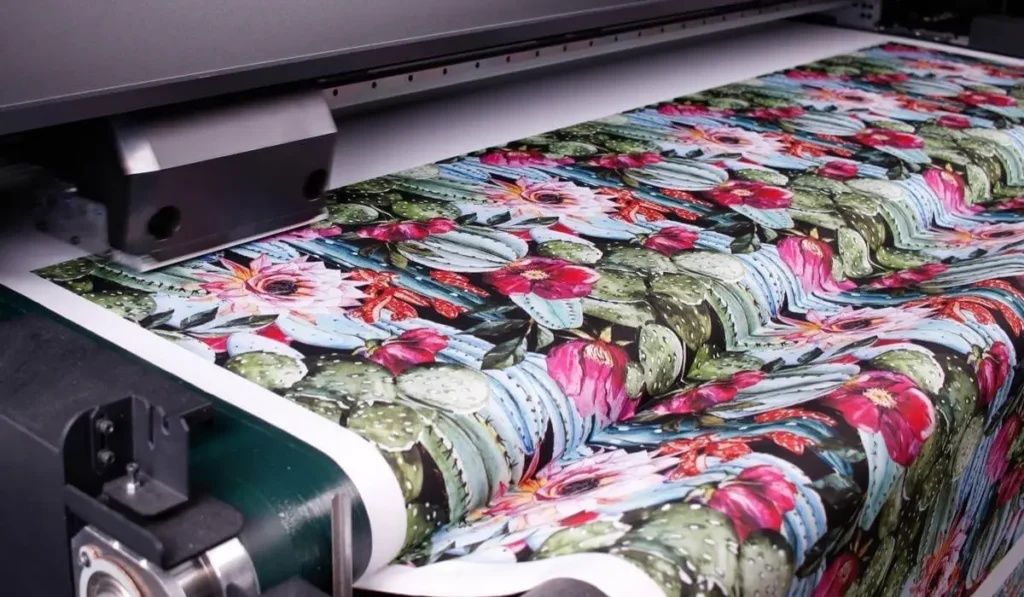
The availability of high-resolution printing systems has given designers creative space to produce multicolor designs without traditional block-making efforts. This shift supports flexible production, quick turnaround, and greater image sharpness with repeat accuracy. Whether printing for fashion houses or home textile brands, the machinery has become an essential foundation for textile-based products.
Why textile printing machines matter today
The textile sector continues to evolve with rising demand for printed apparel, home décor, and creative fabrics. Printing machines help manufacturers respond to the requests of customers who want patterns, branding, personalization, and artwork that stands out visually and lasts after washing. They solve problems related to manual printing limitations, slow production, design complexity, and inconsistent results.
These machines benefit fabric manufacturers, printers, fashion designers, educational institutes, and textile technology researchers. For growing textile regions, automated printing contributes to consistent quality and reduces production waste through controlled ink usage. Industries focusing on synthetic fabrics are also increasingly adopting precision printers to manage ink bonding, dye fixation, and surface uniformity.
Key advantages include:
-
Supports high-volume and repeatable printing
-
Enables complex graphics with sharp detail
-
Helps maintain color consistency across batches
-
Compatible with cotton, polyester, silk, blends, and technical fabrics
-
Useful for both small-batch customization and continuous industrial output
Limitations that still exist
-
Fabric preparation and curing require time and controlled conditions
-
Color output varies depending on ink chemistry and fabric type
-
Training is needed for design alignment, machine calibration, and maintenance
-
Space, ventilation, and controlled operating conditions are required
While modern systems address many challenges, printing outcomes still depend on operator skill, fabric treatment, ink absorption, and process precision.
Recent developments and trends
The past year saw notable advancements in digital textile printing. In many manufacturing regions, there has been a shift toward automated digital printers with faster scanning heads and improved color accuracy. In 2024–2025, upgraded printers introduced enhanced pigment inks suitable for multiple fabric categories without separate pre-treatment. This improvement supports smooth texture, reduced energy consumption, and low water usage.
Sustainability also appeared as a major theme. Many textile units transitioned toward eco-conscious ink formulations and reduced-waste production lines. AI-based repetition control, calibration automation, and predictive maintenance tools were adopted to assist operators and reduce downtime. With fashion cycles moving faster, rapid sampling systems gained popularity, allowing designers to develop and test prints before mass release.
Hybrid printing methods combining rotary, screen, and digital functions also expanded. This approach supports both speed and color depth, particularly for complex and layered designs. The trend reflects a wider movement toward efficiency, automation, and innovation-driven fabric printing.
Laws, policies, and regulatory considerations
Textile printing is influenced by industry standards involving chemical usage, environmental emissions, and workplace compliance. Regulations commonly require safe handling of inks, proper waste disposal, and quality measurement for color fastness. Many regions enforce guidelines for eco-friendly inks, reduced water discharge, and energy-efficiency practices. Manufacturers follow standardized testing for color durability, rubbing resistance, and print clarity.
Trade regulations and compliance programs also affect machine usage, particularly where fabrics are exported. Standard procedures ensure that printed textiles meet durability and safety benchmarks. In addition, sustainability certifications are encouraged for units that adopt reduced-water processes, environmentally safe dyes, and waste-conscious production lines.
Regulatory bodies often issue updated guidelines on safe ink compositions, ventilation requirements, and worker protection measures. Businesses operating printing machinery therefore benefit from staying aware of local compliance rules, safety audits, and certification frameworks.
Tools and resources
Many resources support learning, planning, and evaluating textile printing processes. These tools help operators, learners, and industry professionals understand fabric behavior, printing parameters, and ink selection.
Useful resources include:
-
Textile color management software
-
RIP (Raster Image Processing) applications for digital printing files
-
Fabric pre-treatment guide charts
-
Color fastness and wash test standards
-
Print calibration worksheets
-
Textile printing e-learning platforms
-
Design formatting and textile CAD tools
-
Pantone shade reference sets
-
Print sample libraries for comparison and study
-
Fabric performance assessment checklists
These tools assist with alignment, color comparison, ink calculation, and print optimization. They also help designers standardize outputs across different machines, fabrics, and substrates.
Types of textile printing machines
Different technologies support different production scales, ink types, and fabric styles. Selection depends on print resolution, fabric compatibility, and workflow speed.
| Printing Machine Type | Key Feature | Suitable For |
|---|---|---|
| Digital Textile Printer | High precision, variable data printing | Fashion, décor, small-batch runs |
| Rotary Screen Printer | Continuous production capability | High-volume industrial output |
| Flatbed Screen Printer | Thick ink deposit, strong coverage | Bold prints, pigment inks |
| Dye Sublimation Printer | Heat-based transfer to synthetic fabrics | Sportswear, polyester textiles |
| DTG (Direct-to-Garment) Printer | Prints directly onto fabric surface | Personalized apparel |
| Heat Transfer Printing Units | Indirect transfer using papers/films | Custom motifs, small runs |
Each system offers unique performance characteristics, making it more suitable for specific fabric and color expectations.
Features to look for in a textile printing machine
-
Print resolution and imaging precision
-
Ink compatibility (pigment, reactive, sublimation, disperse)
-
Fabric handling width and roll support
-
Software integration and design interface
-
Print speed and scan head technology
-
Calibration control and color mapping
-
Maintenance accessibility and uptime stability
-
Fabric pre-treatment and curing requirements
-
Energy and resource efficiency features
Examining these factors helps printers align machinery with production goals and output specifications.
Practical tips for better textile printing
-
Test fabric samples before final production
-
Maintain humidity and temperature stability
-
Calibrate print heads regularly
-
Store inks under controlled conditions
-
Use standardized color references and swatches
-
Inspect rollers, belts, and drying units frequently
-
Track print records for quality benchmarking
-
Monitor wash fastness and abrasion resistance
Consistent monitoring and adjustment form the backbone of reliable printing operations.
FAQs
What fabrics can be printed using textile printing machines?
Most textile printing machines support cotton, polyester, silk, linen, rayon, and blends. Compatibility depends on ink chemistry and pre-treatment processes.
Are digital printers replacing traditional screen systems?
Digital printing is expanding due to flexibility and detailed output, but rotary and screen systems remain significant for large-volume mass production.
Why does fabric pre-treatment matter?
Pre-treatment helps ink fixation, surface smoothness, and color sharpness. It improves wash fastness and reduces ink bleeding.
How important is ink selection?
Ink selection influences color tone, durability, and fabric absorption. Different inks perform uniquely on natural, semi-synthetic, and synthetic fibers.
Can one machine print all types of textiles?
No single system is universally suited for every fabric. Equipment choice varies by texture, ink type, resolution needs, and print run scale.
Conclusion
Textile printing machines continue to reshape how fabrics are designed, styled, and finished. Their purpose extends beyond basic dye transfer and into advanced imaging, automation, and sustainable production. With ongoing innovations in digital printing, pigment chemistry, and calibration control, textiles today carry more color clarity and creative depth than ever before. Understanding machine types, print behavior, resources, and regulatory frameworks helps professionals make informed decisions and produce consistent-quality output suited to modern textile applications.
This guide offers foundational insight for learners, manufacturers, and professionals interested in textile printing machinery and its practical workings.