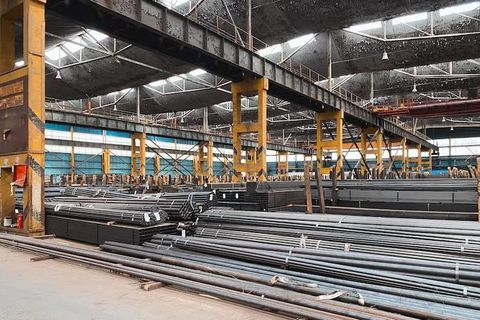
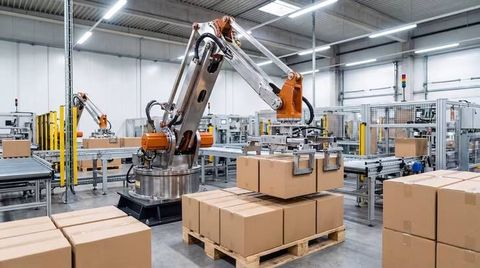
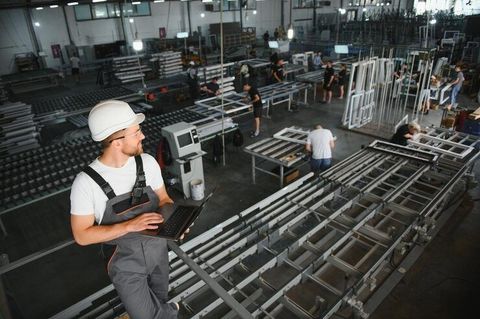
Industrial magnets are typically made from magnetic materials such as iron, nickel, cobalt, and certain alloys. Over time, advancements in material science have improved magnet strength, durability, and performance. Today, industrial magnetic systems are integrated into various sectors including manufacturing, mining, electronics, and transportation.
Understanding industrial magnets, including their types and functions, helps explain how they contribute to modern processes that require precision, efficiency, and control.
Importance
Industrial magnets play an important role in everyday systems, even though they often operate behind the scenes. They are essential for processes that involve handling metal components, sorting materials, and supporting automated machinery.
Their importance can be understood through practical applications. For example, magnetic separation is used to remove unwanted metal particles from raw materials. This helps maintain product quality and protect machinery from damage.
Industrial magnet applications also improve efficiency in manufacturing by reducing manual handling and enabling faster processing. In addition, these magnets contribute to safety by securely holding or lifting heavy metal objects in controlled environments.
The widespread uses of industrial magnets make them relevant across industries, from small workshops to large-scale production facilities.
Types of Industrial Magnets
There are different types of industrial magnets, each designed for specific purposes based on their structure and functionality.
Permanent Magnets
Permanent magnets produce a constant magnetic field without requiring external power. They are commonly used in applications where continuous magnetism is needed.
- Made from materials such as ferrite or rare-earth alloys
- Used in motors, sensors, and holding devices
- Maintain magnet strength over long periods
Electromagnets
Electromagnets generate a magnetic field when an electric current passes through them. Their magnetism can be turned on or off as needed.
- Used in cranes and lifting equipment
- Suitable for controlled operations
- Common in industrial magnetic systems
Temporary Magnets
Temporary magnets become magnetized only in the presence of an external magnetic field.
- Used in specific processes where short-term magnetism is required
- Often found in testing or experimental setups
Superconducting Magnets
These magnets operate at very low temperatures and produce strong magnetic fields.
- Used in specialized industrial and scientific applications
- Require controlled environments
Features of Industrial Magnets
Industrial magnets are designed with specific features that make them suitable for different tasks.
Magnet Strength
Magnet strength refers to the intensity of the magnetic field. Stronger magnets are used for heavy-duty applications such as lifting or separation.
Durability
Industrial magnets are built to withstand environmental conditions such as heat, moisture, and mechanical stress.
Size and Shape
Magnets come in various shapes, including rods, plates, rings, and blocks. The design depends on the intended application.
Control and Flexibility
Electromagnets provide adjustable magnetic force, allowing users to control operations more precisely.
Uses of Industrial Magnets
The uses of industrial magnets span across multiple industries and everyday processes.
Manufacturing
Industrial magnets are used to hold, position, and move metal parts during production processes.
Recycling and Waste Management
Magnetic separation helps sort metal materials from non-metal waste, improving recycling efficiency.
Mining Industry
Magnets are used to separate valuable minerals from raw materials, supporting extraction processes.
Electronics and Electrical Systems
Permanent magnets and electromagnets are used in motors, generators, and other electronic devices.
Transportation
Magnetic systems are used in braking systems, sensors, and other vehicle components.
Comparison of Industrial Magnet Types
| Type | Power Requirement | Magnetic Field Control | Common Use Case | Durability |
|---|---|---|---|---|
| Permanent Magnet | No | Fixed | Motors, holding systems | High |
| Electromagnet | Yes | Adjustable | Lifting, industrial systems | Medium to high |
| Temporary Magnet | External field | Limited | Testing applications | Medium |
| Superconducting | Specialized | High | Scientific and advanced use | High |
Recent Updates
Recent developments in industrial magnets focus on improving efficiency and reducing environmental impact. Advances in magnetic materials have led to stronger and more compact designs, making them suitable for modern equipment.
There is also growing interest in reducing dependence on certain raw materials by developing alternative magnetic compounds. This trend is influencing how permanent magnets are designed and produced.
Digital integration is another important trend. Industrial magnetic systems are increasingly combined with sensors and automation technologies, allowing better monitoring and control of operations.
Laws or Policies
Industrial magnets are influenced by regulations related to safety, environmental protection, and manufacturing standards.
Safety Regulations
Equipment using industrial magnets must meet safety guidelines to prevent accidents during handling and operation.
Environmental Standards
Regulations may address the sourcing and disposal of magnetic materials, especially those involving rare elements.
Industrial Compliance
Manufacturers must follow quality standards to ensure that magnetic products perform reliably in industrial applications.
These policies help ensure that the use of industrial magnets remains safe and sustainable.
Tools and Resources
Several tools and resources help in understanding and working with industrial magnets.
Magnetic Field Calculators
These tools estimate magnet strength and field distribution for different applications.
Simulation Software
Engineering software helps model industrial magnet applications and predict performance.
Measurement Instruments
Devices such as gauss meters are used to measure magnetic field strength accurately.
Technical Documentation
Manuals and guides provide detailed information about types of industrial magnets and their usage.
FAQs
What are industrial magnets used for?
Industrial magnets are used for tasks such as lifting metal objects, separating materials, and supporting manufacturing processes.
What are the main types of industrial magnets?
The main types of industrial magnets include permanent magnets, electromagnets, temporary magnets, and superconducting magnets.
How does magnetic separation work in industrial magnet applications?
Magnetic separation uses magnets to attract and remove metal particles from materials, improving quality and safety.
What affects magnet strength in industrial magnets?
Magnet strength depends on the material, size, shape, and environmental conditions in which the magnet is used.
Where are industrial magnetic systems commonly used?
Industrial magnetic systems are commonly used in manufacturing, recycling, mining, and electronics industries.
Conclusion
Industrial magnets are essential components in modern industrial processes, supporting a wide range of applications from manufacturing to recycling. Different types of industrial magnets are designed to meet specific needs based on strength, control, and durability. Understanding their features and uses helps explain their importance in efficient and safe operations. As technology continues to evolve, industrial magnet applications are expected to become more advanced and integrated with modern systems.