Luxury perfumes differ from basic fragrances due to the depth of composition, refinement of ingredients, and precision involved in formulation. Each perfume is built around a structured scent profile designed to evolve over time on the skin. This process requires technical knowledge, sensory expertise, and controlled production environments.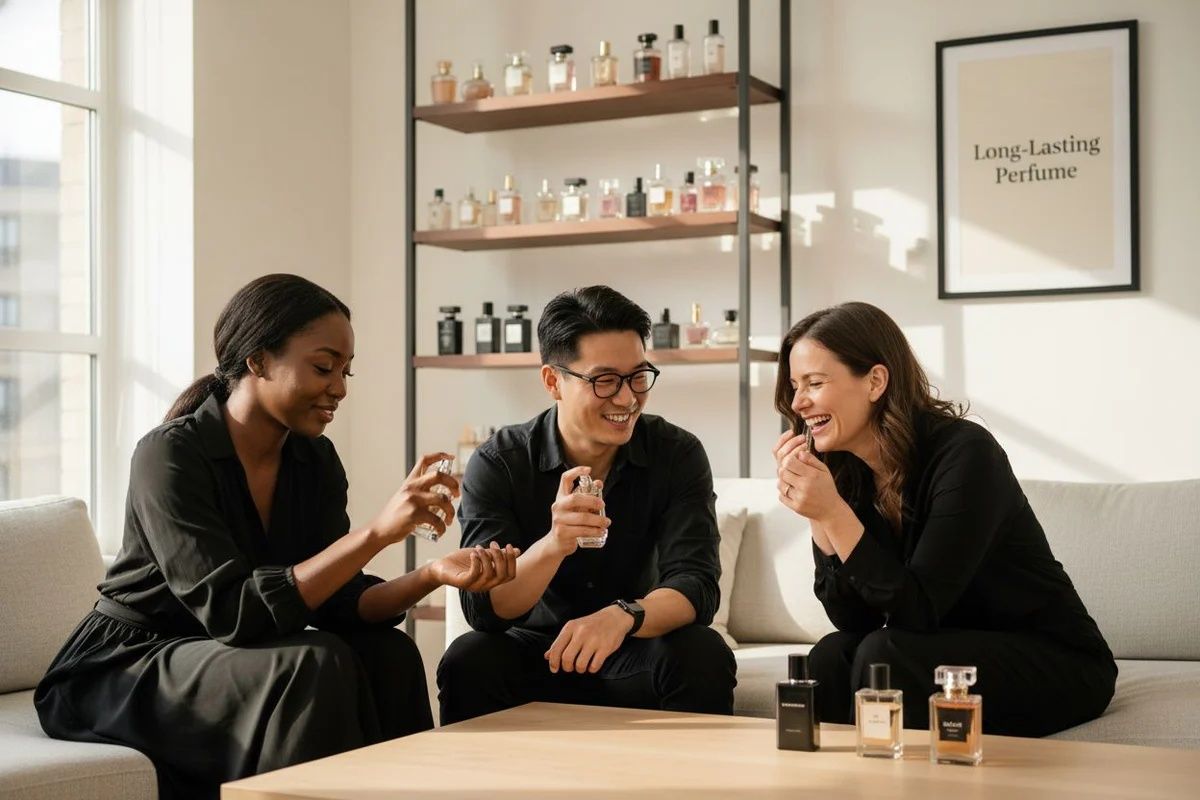
Understanding how luxury perfumes are made helps explain why fragrance creation is not accidental. It is a deliberate process involving multiple stages, from ingredient selection to maturation, all aimed at producing consistent and balanced scent experiences.
Why the Perfume-Making Process Matters
The way luxury perfumes are made matters because fragrance quality depends heavily on formulation accuracy, ingredient interaction, and production discipline. Small changes in composition or processing can significantly affect how a perfume smells, develops, and lasts.
This topic affects:
-
Individuals interested in fragrance knowledge
-
Students of cosmetic science and sensory design
-
Professionals working in beauty and personal care
-
Consumers seeking informed understanding of perfumes
Key challenges addressed by structured perfume-making include:
-
Achieving scent consistency across batches
-
Balancing intensity and subtlety
-
Managing ingredient stability over time
-
Ensuring safe and controlled formulations
By following standardized yet creative processes, luxury perfume makers can create fragrances that perform predictably while maintaining artistic expression.
Core Stages in Making Luxury Perfumes
Luxury perfume creation follows a series of interconnected stages. Each stage contributes to the final scent profile and product stability.
Ingredient sourcing
The process begins with selecting aromatic materials. These may include botanical extracts, resins, spices, woods, and laboratory-created aroma molecules. Each ingredient is chosen for its scent characteristics and compatibility with other components.
Fragrance formulation
Perfumers, often referred to as fragrance designers, blend ingredients into precise formulas. These formulas define the balance between different scent layers and determine how the fragrance evolves.
Blending and dilution
Once the formula is finalized, aromatic concentrates are blended and diluted with alcohol or other carriers to achieve the desired strength.
Maturation and aging
The blended perfume is allowed to rest under controlled conditions. This period helps ingredients harmonize and stabilize.
Filtration and preparation
Before final use, the perfume is filtered to remove impurities and ensure clarity.
The table below summarizes these stages.
| Stage | Purpose |
|---|---|
| Ingredient Sourcing | Aroma selection |
| Formulation | Scent structure |
| Blending | Concentration balance |
| Maturation | Ingredient harmony |
| Filtration | Product clarity |
Understanding Fragrance Structure
Luxury perfumes are designed using a layered scent structure. This structure influences how the fragrance changes after application.
The main layers include:
-
Top notes: Initial scents perceived first
-
Middle notes: Core fragrance character
-
Base notes: Long-lasting foundation
The table below explains their roles.
| Layer | Role in Fragrance |
|---|---|
| Top Notes | First impression |
| Middle Notes | Main identity |
| Base Notes | Longevity and depth |
This structure explains why luxury perfumes evolve gradually rather than remaining static.
Importance of Ingredient Quality
Ingredient quality plays a critical role in luxury perfume creation. High-grade materials provide clarity, balance, and stability within the fragrance composition.
Important considerations include:
-
Purity of aromatic compounds
-
Consistency in scent profile
-
Interaction between natural and synthetic elements
-
Stability under different conditions
Careful ingredient evaluation helps ensure that the perfume behaves consistently when worn and stored.
Developments in Perfume Creation Practices
Perfume-making practices continue to evolve alongside scientific and sensory research. One noticeable shift is the increased precision in aroma molecule development. This allows perfumers to create specific scent effects with greater control.
Another development is enhanced testing methods. Fragrance stability, skin interaction, and scent progression are evaluated more thoroughly to ensure predictable performance.
There is also growing focus on transparency in formulation. Clear documentation of processes and ingredient behavior supports consistency and quality management across production stages.
Regulations and Policy Influence on Perfume Making
Luxury perfume production is governed by cosmetic regulations and safety standards designed to protect users. These rules vary by region but share common goals related to health and transparency.
Key regulatory considerations include:
-
Safe concentration limits for aromatic materials
-
Ingredient disclosure and labeling requirements
-
Allergen identification standards
-
Manufacturing and hygiene guidelines
Regulatory frameworks influence how perfumes are formulated, tested, and documented. Compliance ensures that luxury perfumes meet safety expectations without limiting creative formulation.
Role of Testing and Quality Control
Testing is essential in luxury perfume production. It ensures that each batch aligns with the intended fragrance profile and performance expectations.
Quality control activities often include:
-
Sensory evaluation by trained panels
-
Stability testing under different conditions
-
Consistency checks across batches
-
Packaging compatibility assessments
These steps help maintain reliability while preserving the artistic intent of the fragrance.
Tools and Resources Used in Perfume Creation
Several tools and resources support the perfume-making process. These focus on formulation accuracy, testing, and documentation.
Common tools and resources include:
-
Precision measuring instruments
-
Fragrance formulation software
-
Sensory evaluation sheets
-
Stability testing chambers
-
Ingredient reference libraries
The table below shows how these tools support production.
| Tool Category | Purpose | Practical Benefit |
|---|---|---|
| Measuring Tools | Accurate blending | Formula consistency |
| Formulation Software | Recipe management | Controlled variation |
| Sensory Sheets | Scent evaluation | Objective review |
| Testing Chambers | Stability checks | Reliable performance |
Differences Between Luxury and Basic Perfumes
Luxury perfumes differ from basic fragrances primarily in formulation depth and process control.
Key distinctions include:
-
More complex scent structures
-
Longer development and maturation phases
-
Greater emphasis on ingredient interaction
-
Extensive testing and refinement
These differences contribute to the layered and evolving nature of luxury fragrances.
Common Misunderstandings About Perfume Making
Several misconceptions exist around how perfumes are made.
-
Misconception: Stronger scent always means higher quality
Clarification: Quality depends on balance, not intensity. -
Misconception: Natural ingredients are always superior
Clarification: Both natural and synthetic elements play important roles. -
Misconception: Perfumes smell the same on everyone
Clarification: Skin chemistry influences scent perception.
Understanding these points helps clarify realistic expectations.
Frequently Asked Questions
How are luxury perfumes different from regular fragrances?
They use more complex formulations, controlled processes, and layered scent structures.
What role does aging play in perfume making?
Aging allows ingredients to blend and stabilize, improving overall harmony.
Are luxury perfumes made only from natural ingredients?
No. They often combine natural and synthetic materials for balance and consistency.
Why do perfumes change scent after application?
This happens due to the layered structure of top, middle, and base notes.
Is perfume making purely an artistic process?
It combines creativity with chemistry, testing, and technical precision.
Concluding Overview
Luxury perfume making is a structured and disciplined process that blends creativity with science. It exists to produce fragrances that evolve gracefully, remain consistent, and provide sensory depth.
By understanding the context, importance, creation stages, regulatory influence, tools, and common questions related to luxury perfumes, readers gain clear and factual insight into how fragrances are made. This knowledge highlights why luxury perfumes are viewed not just as scented products, but as carefully engineered compositions shaped by expertise, precision, and sensory understanding.